


Positive coparenting after a separation is the art of remaining a team of parents even when the couple no longer exists. A separation brings a shock, an emotional storm, exhaustion, money worries, arguments, guilt, a lost sense of identity, an organisation to reinvent, conflict, resentment, hurt self-esteem and sometimes depression. All of that is real, and none of it means you stop being the two people who founded a family together.
What remains beyond the break-up is that you are still your children's parents and still part of the family group you created. That relationship deserves to be protected, supported and handled with care so that you can find an effective way to collaborate in your children's interest. The goal is simple to state and demanding to live: build, step by step, a calmer relationship founded only on the parental bond.

Quick takeaways
- Take stock of your coparenting relationship before trying to change it.
- Mourn the love relationship so you can think only in parental terms.
- Set one concrete objective and measure your progress towards it.
- Balance empathy for the other parent with assertiveness about your own needs.
- Keep the needs of parent, ex-partner and child in view together.
- Use written exercises to look at conflicts coldly and objectively.
Taking stock of your coparenting relationship
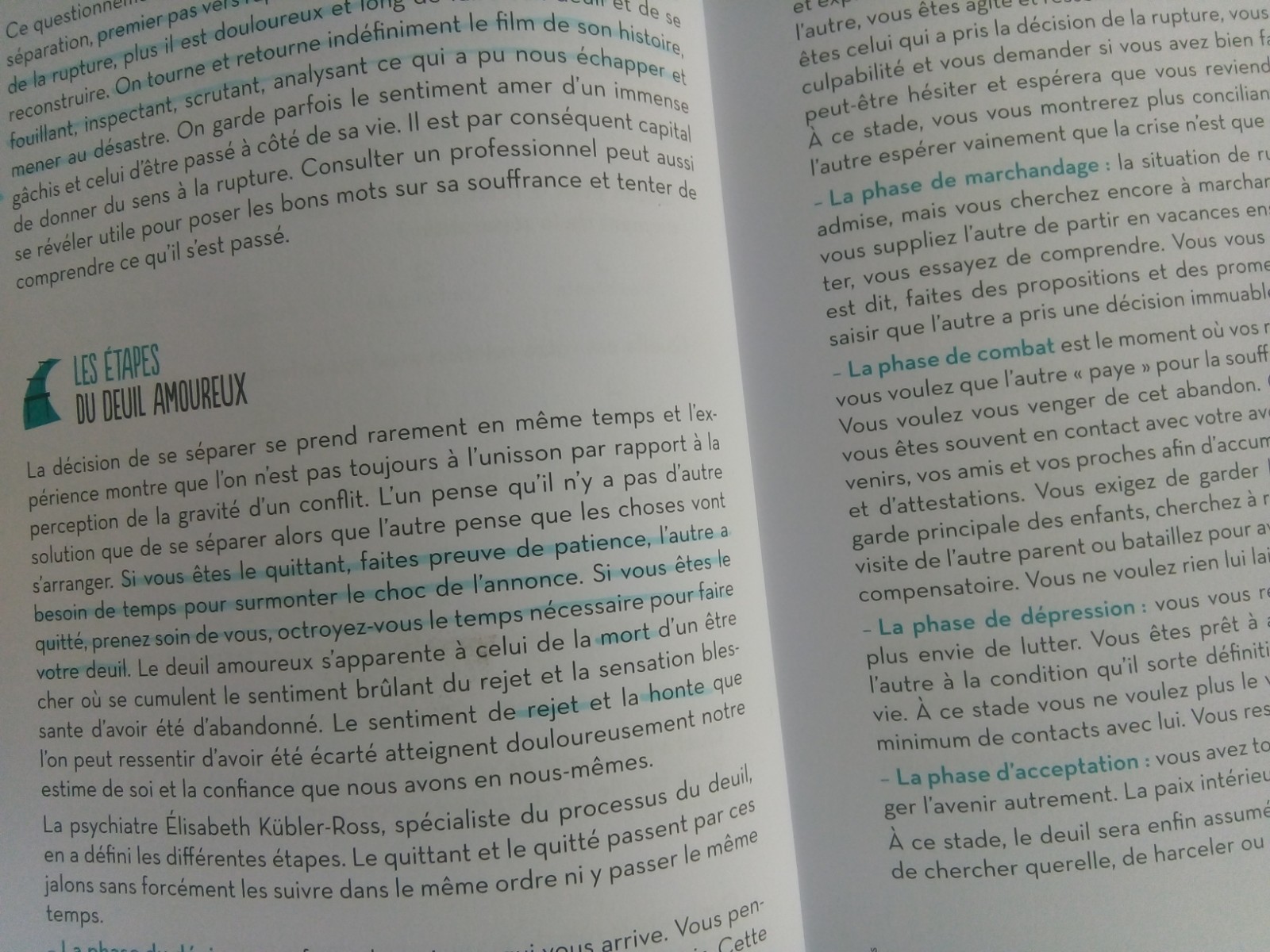
Before changing anything, it helps to know where you stand. A first stage is simply to draw up an honest inventory of your current coparental relationship: how you communicate, how decisions are made, what triggers conflict and what already works. This is not about scoring points or building a case; it is about seeing clearly, the way you might calmly review parental self-criticism without turning it into blame.
Many parents find that the hardest part is admitting how much anger and grief still colour everyday exchanges. Working on that anger, and mourning the love relationship so you can think only in terms of a parental relationship, is the foundation of everything that follows. It also helps to notice the behaviours that keep feeding tension, in the same spirit as avoiding harmful parenting behaviors that children pick up on quickly.
Why the inventory matters
An honest assessment shows you the gap between the relationship you have and the one your children need. It also reveals your own resources: patience, humour, a reliable routine, a supportive circle. From there, the second stage becomes possible.

Building positive coparenting step by step
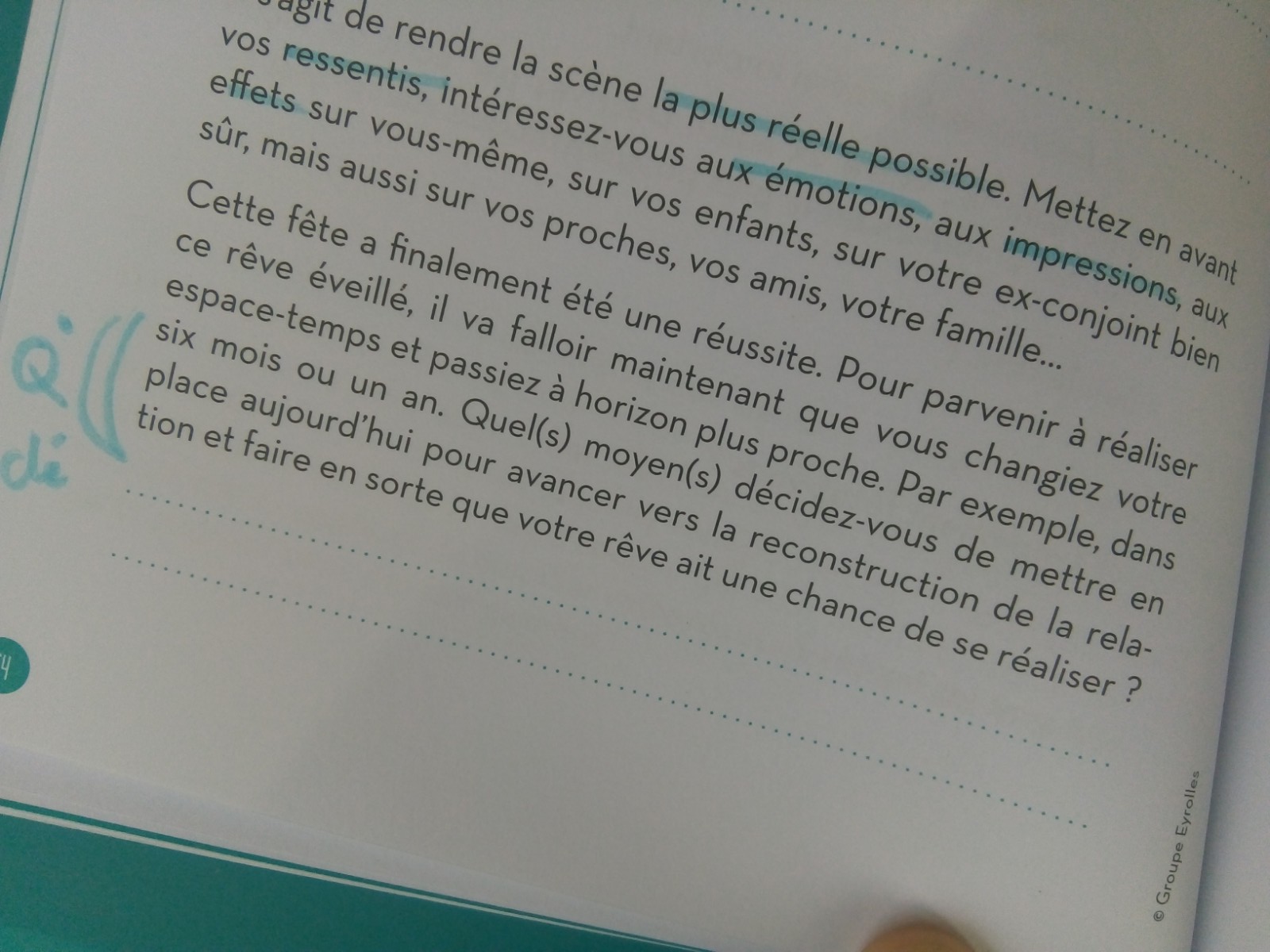
The second stage is a guided path. It starts with defining your objective: what do you actually want from this relationship over the next months? Examples might be communicating directly without going through a lawyer, phoning to debrief the week with notes on school, meals and the child's health, or simply stopping the reproaches about the past. Once the objective is set, you identify the means to reach it, find internal and external resources, remove the blocks in the way and measure progress to see the ground covered.
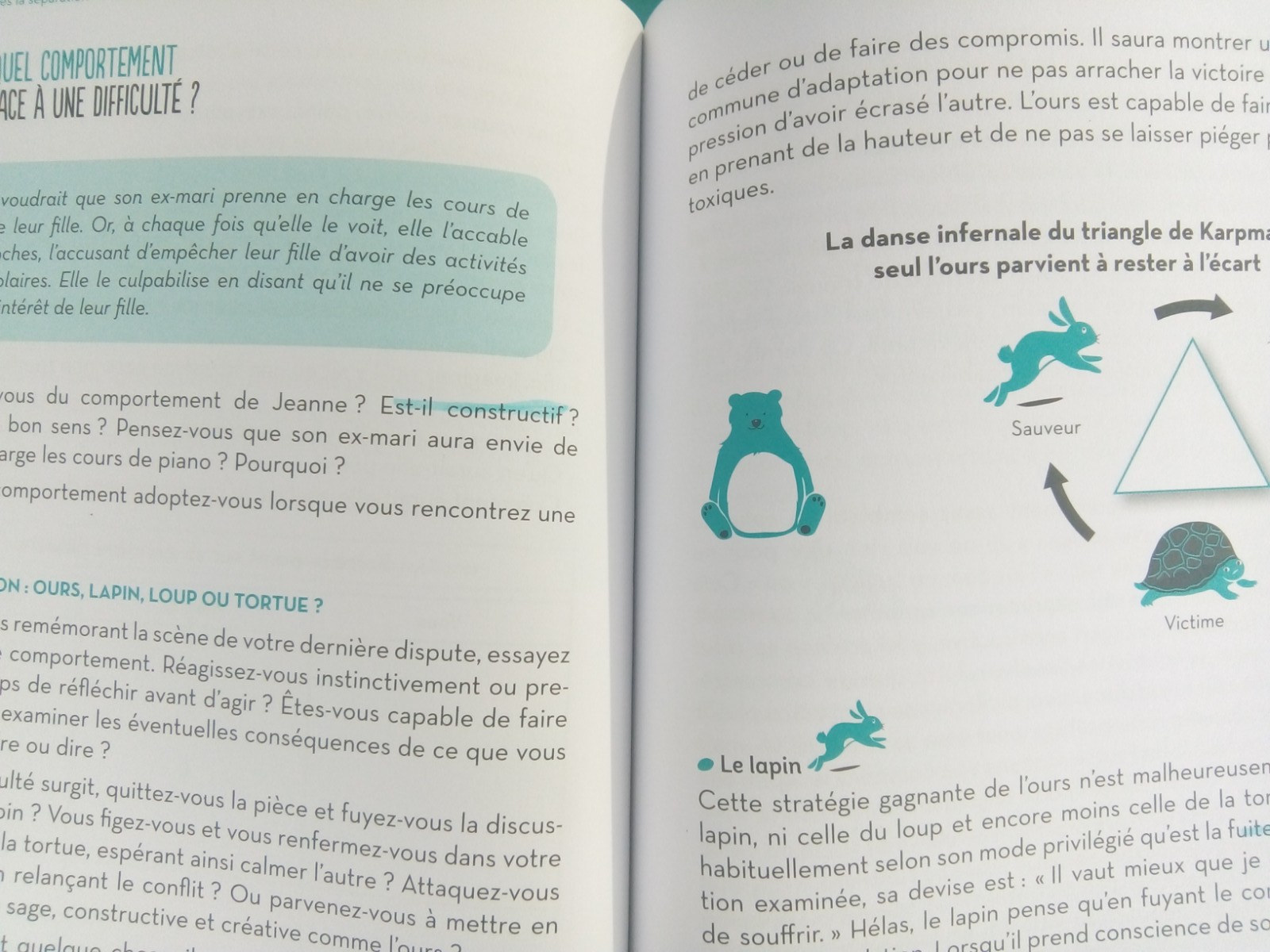
Alongside that, you identify your own strengths and limits and learn to step back. This is where everyday parental phrases come under scrutiny: a sentence said in frustration can reopen a wound for weeks. Stepping back does not mean suppressing feelings; it means choosing when and how to express them. As with LEGO Insider points, small consistent efforts add up over time.
Small objectives, real progress
Keeping objectives modest and concrete makes progress visible, which matters when energy is low. A written list of what you want to change keeps the process grounded on difficult days.

| Stage | What you do | Why it helps |
|---|---|---|
| Taking stock | Review communication, decisions and conflict triggers | Shows the gap between current and needed relationship |
| Setting an objective | Choose one concrete change to aim for | Gives direction and makes progress visible |
| Working on emotions | Name anger, rate intensity, mourn the couple | Reduces reactions that reopen conflict |
| Taking the other into account | Combine empathy with clear requests | Builds cooperation without self-erasure |
| Measuring progress | Note what has changed over time | Sustains motivation on difficult days |
Taking the other parent into account
Only once the principles of healthy coparenting are explained, emotional tools practised and objectives set does the guide invite you to consider the other parent. The method combines empathy, understanding the other person's emotions and needs, with assertiveness, stating your own needs and emotions and making clear requests. Both halves matter: empathy without assertiveness turns into self-erasure, and assertiveness without empathy turns into a new conflict.
This is also where a shared language helps. Agreeing on how you talk about schedules, discipline and school avoids the misunderstandings that fuel disputes. Families who manage this often describe the same relief as couples who follow keys to remarriage harmony: clarity and goodwill do most of the work.
It is worth remembering that the needs of all three parties matter: yours, your ex-partner's and your children's. That triad should stay the compass for fair coparenting. Some parents find it unjust to have to make the first move, and the answer is patient: the other parent usually joins the process once its benefits become visible, sooner or later depending on history and personality.
Emotional tools and practical exercises
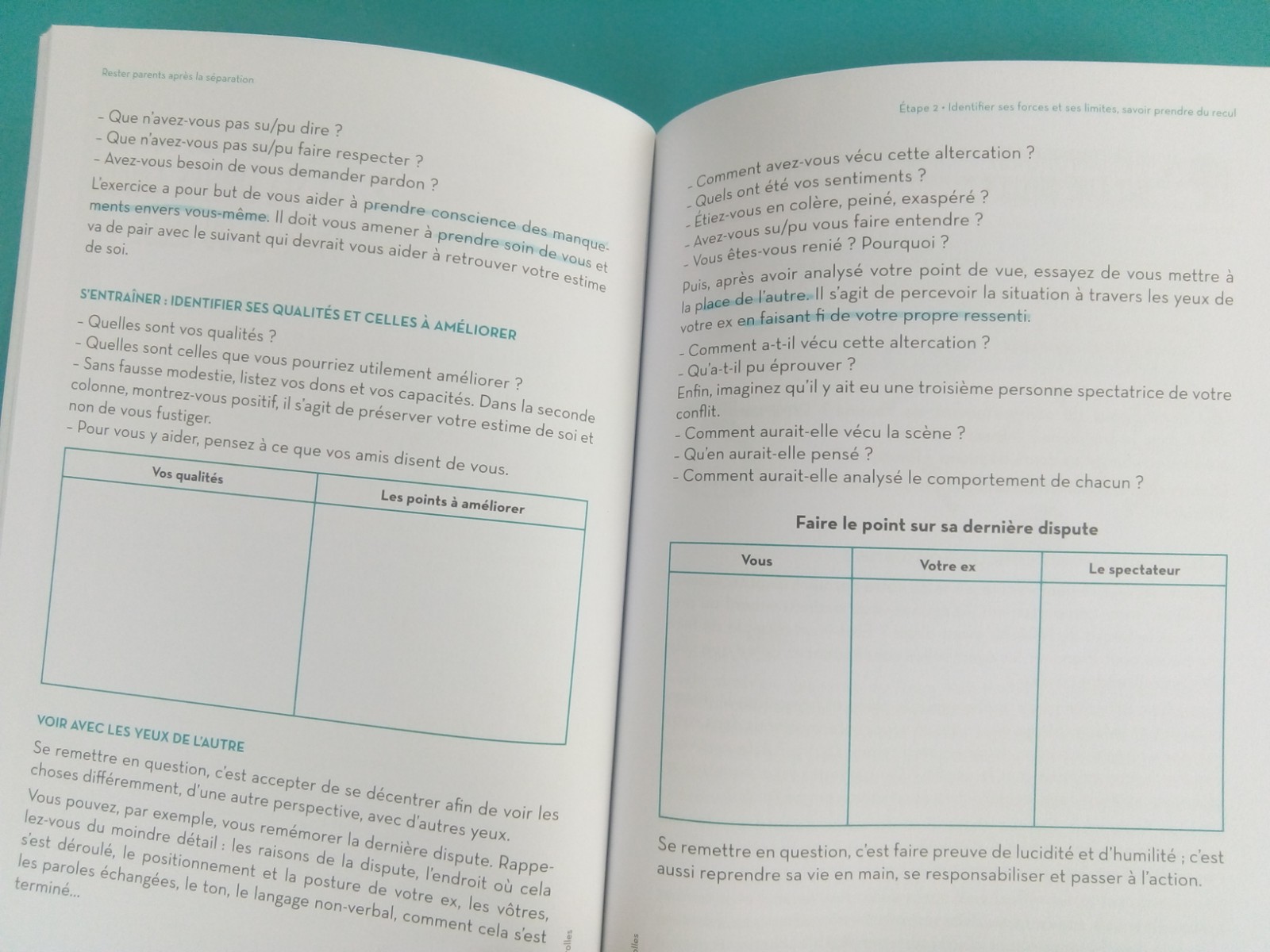
The approach draws on caring communication, transactional analysis, emotional intelligence and empathetic listening. In practice, that means tools you can use the same evening: visualisation exercises, scales to rate the intensity of an emotion, questions to identify your communication profile, and tables to record the elements of an argument afterwards, coldly and objectively.
Writing down a dispute once the heat has gone is surprisingly effective. It separates facts from interpretations and shows recurring patterns. Parents who struggle with night-time tension in the household often benefit from the same calm, structured approach described in bedtime routines for anxious evenings.
Progress you can measure
Because the path is progressive and illustrated with many examples from practice, it stays concrete. You can see the distance travelled, which builds confidence for the next step.
Supporting children through the transition
Children need reassurance more than explanations. Keeping routines stable, protecting them from adult conflict and letting them express emotion without becoming referees are the practical priorities. A calm home atmosphere supports everything else, from sleep to appetite, much as after-sun care supports skin after a long day outdoors: small, regular attention rather than one grand gesture.
Some children carry their stress into school or activities. If your child has particular needs, whether a diagnosis or a sensory profile, the same coparenting principles apply with extra coordination, as families describe in swimming and autism experience. Shared information between both homes prevents a child from having to translate their own life. Just as gourmet family calendars keep everyone's plans aligned, simple shared routines help both homes stay in step.
Finally, remember that a happy family after divorce is not a contradiction. It is built on clear agreements, respect for each parent's role and the steady message that both parents remain present.

My hands-on take
When I first tried to reorganise communication after a separation, I made the classic mistake of writing long messages late at night, full of everything I had been holding in. They never helped. What changed things was boring and practical: a short weekly phone call about school, meals and health, and a notebook where I wrote down what had actually been said in an argument once I had calmed down.
I also learned to pick one objective at a time instead of trying to fix the whole relationship at once. My first was simply to stop bringing up old grievances in messages. It took weeks, and I did not always succeed, but seeing that single change stick gave me the confidence to try the next one. The children noticed the quieter atmosphere before I did.
Frequently asked questions
What if my ex-partner refuses to cooperate?
You can still start the process alone. The approach assumes the other parent will join once the benefits become visible, sooner or later depending on history and personality. Your own calm and consistency are the first lever.
Do I have to give up my anger to coparent well?
No, but you need to work on it so it stops driving your exchanges. Naming emotions, rating their intensity and writing about disputes afterwards helps you respond rather than react.
Is it unfair that I have to make the first move?
Many parents feel that way, and the feeling is legitimate. The point is that the parental relationship needs to be preserved for your children's sake, whoever starts the work.
How do we talk about the children without arguing?
Agree on a shared language and a simple routine, such as a weekly debrief on school, meals and health. Focus on facts and requests rather than reproaches about the past.
Product Reviews
 Best Toys for Dogs With High Prey Drive |
Best Outdoor Toys for 3-4 Year Olds |
Best Outdoor Toys for 6 Year Olds |
Best Harness for Poodle |
Best LEGO Sets for Adults |
Best Travel Toys for 4 Year Olds on Airplane |
Best Toy Stores in Washington DC |
Best Potty Training Toys |
Best Toys for Tripod Dogs |
Maillot equipe de france







