


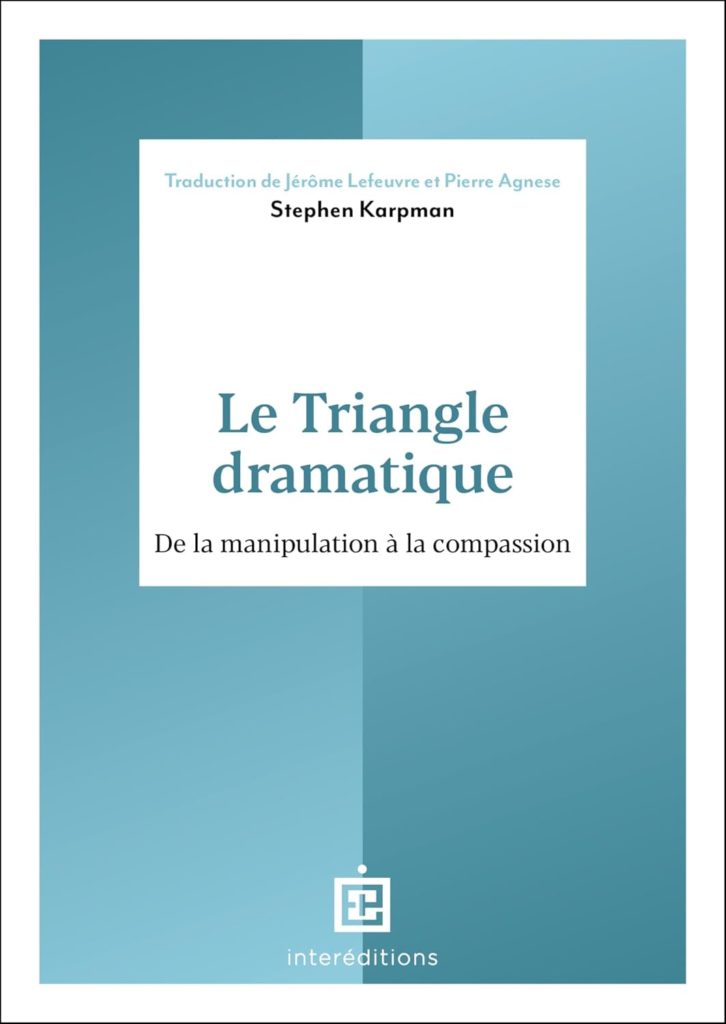
CASE communication sabotage describes four everyday habits that quietly shut down difficult conversations: being condescending, abrupt, secretive or evasive. Stephen Karpman, in his book on the drama triangle, groups these four strategies under one acronym because they form a losing loop that keeps people from ever reaching vulnerability or real intimacy.
Each attitude looks different on the surface, but the result is always the same: the person who raised the subject is discouraged from speaking, and the problem never gets solved. The good news is that every one of these blocks has a positive counterpart, and small shifts in how you respond can reopen the conversation.

Quick takeaways
- CASE stands for Condescending, Abrupt, Secret and Evasive, four habits that block difficult conversations.
- All four produce the same result: the other person stops talking and the problem stays unsolved.
- Ask whether it is a good moment to talk, and name the behaviour when it appears.
- Meet abruptness with openness, empathy and an honest account of what you feel.
- Confront silence by explaining why you need the information and what withholding it costs.
- For evasiveness, insist on one topic at a time and explain why partial answers are not enough.
What the CASE Loop Actually Is
Karpman created the CASE acronym to describe the most common strategies people use to sabotage communication and intimacy. The four letters stand for Condescending, Abrupt, Secret and Evasive. They can appear one at a time or combine within a single interaction, and their intensity varies, yet the outcome stays constant: talking is discouraged and resolution is blocked.
What makes it a loop rather than a list is the way each strategy feeds the next. One person deflects, the other pushes harder, and both retreat further from the honest exchange they actually need. If you recognise this pattern at home, the same dynamic often shows up in sibling disputes, which is why a calm step-by-step approach to sibling fights can help reset the tone before it escalates.
Naming the pattern out loud is often the first useful move. Once both people can see the loop, it becomes something you face together instead of something you do to each other.
Condescending: “I’m Doing You a Favour by Listening”
With condescension, the listener signals to whoever started the discussion that they have little value. You come across as boring, and the message is that you are wasting their time. Karpman sums it up as: the sooner you realise you are wrong, the sooner you will stop trying to talk.
His suggested counter is simple: ask whether this is a good moment to talk about the subject at all. That question lowers the chance of the other person sliding into defensiveness. You can also name the behaviour directly, saying that this is condescension and that it is sabotaging the conversation.
Why timing matters
Choosing the right moment is not avoidance; it removes the excuse that the discussion arrived at a bad time. The same principle applies to family life, where a little planning around homework and rest during busy holidays prevents many needless clashes. It also helps to plan proper rest and to build a good teacher relationship.

| Sabotage | What it sounds like | Positive shift | Useful response |
|---|---|---|---|
| Condescending | “I’m doing you a favour by listening” | Caring | Ask if it is a good moment to talk |
| Abrupt | “I’m stopping you right there” | Approachable | Stay open, show empathy, offer another time |
| Secret | “I’ve nothing to say about it” | Supportive | Explain why you need the information |
| Evasive | “Maybe yes, maybe no” | Engaged | Focus on one point at a time |
Abrupt: “I’m Stopping You Right There”
The abrupt strategy wears several faces: cutting someone off mid-sentence, talking louder, seizing power through criticism or belittling, or issuing a threat to end the exchange. All of them shut the door before anything real can be said.
Karpman invites the person facing this to become as open and accessible as possible, which disarms the other and invites them to soften. That can mean showing empathy and asking yourself which emotional trigger made them feel so threatened, or honestly revealing what you feel. Offering another time to talk works too, and you can confront the behaviour by saying plainly that they are avoiding the conversation.
Staying warm under pressure is a skill, and it is easier when your own reserves are full. Parents who manage their own fatigue tend to react far less abruptly, as these tips on child fatigue gently remind us.
Secret: “I’ve Got Nothing to Say About It”
The secret saboteur keeps others at a distance out of fear of intimacy and vulnerability. Rather than speak, they stay silent and hope the subject will simply go away, telling themselves that saying nothing may make the other person leave and the painful discussion unnecessary.
Karpman describes this as a withdrawn attitude in which none of the information needed to solve the problem or reach a consensus is ever shared. Any anger or resentment worth expressing stays hidden, so no solution can be sought. Withholding even a compliment becomes a way of containing any risk of closeness.
You can confront the silence, explain why you need the information, and point out the consequences of holding it back, since this strategy is often unconscious. Silence between adults also shapes how children learn to handle feelings, which is why the words we repeat to them carry weight, as these everyday phrases show. The same goes for the cozy fun pajamas that set the tone for relaxed family evenings.
Evasive: “Maybe Yes, Maybe No”
Being evasive means muddying the water, confusing the person who opened the discussion, or steering it elsewhere. No direct answer ever arrives. Gossip is a classic evasive block: it changes the subject and pulls the other person onto more comfortable ground.
The recommended response is to explain why you will not settle for only part of the information. When too many topics get mixed together, suggest concentrating on one point at a time. That single rule keeps a conversation from dissolving into a dozen half-answered questions.
Evasiveness is especially tempting when a topic feels awkward, such as differences in how families are raised. Articles on gender stereotypes or on mothers today can open those discussions in a low-pressure way before you tackle them face to face.
CASE+: Turning Each Sabotage Into Its Positive
In his work as a psychologist, Karpman always looks for ways to turn negative loops into positive ones. The CASE loop becomes CASE+: Condescending turns into Caring, Abrupt into Approachable, Secret into Supportive, and Evasive into Engaged.
Caring means showing the other person that you are concerned about what they feel and want to express, which reads as genuine interest and invites trust. Approachable means sending a clear signal to those who want to speak that they are welcome to do so. Supportive and Engaged complete the shift, replacing withdrawal with solidarity and deflection with real commitment to the exchange.
Practising this at home pays off beyond the couple. A household where adults stay approachable makes it far easier to handle everyday friction, from children’s jet lag after a trip to the small routines that keep everyone steady.

My hands-on take
I first tried the “is this a good moment?” question during an ordinary weeknight disagreement, and I was surprised by how quickly the tension dropped. Instead of defending myself, I simply asked, and the answer was honest: no, not now. We talked the next morning and it took ten minutes.
Naming the behaviour out loud felt awkward at first. Saying “that’s condescension and it’s shutting me down” sounded dramatic in my head, but spoken calmly it landed as information rather than an attack. What helped most was noticing my own abruptness when I was tired, and choosing to offer another time instead of pushing through. These are small moves, but repeated often enough they change the tone of a household.
Frequently asked questions
What does the CASE acronym stand for?
It stands for Condescending, Abrupt, Secret and Evasive. Stephen Karpman uses it to describe four common strategies people use, often unconsciously, to avoid difficult conversations and closeness.
Are these four behaviours always deliberate?
No. Karpman notes that some, especially the secretive withdrawal, are often unconscious. People reach for them automatically when a subject feels threatening, which is why naming the pattern gently tends to work better than accusing.
How do I bring up the pattern without starting a fight?
Describe the behaviour rather than the person, and pick a calm moment. Asking whether it is a good time to talk, then naming what is happening, keeps the focus on the conversation instead of on blame.
Can these habits be changed?
Yes. Karpman frames the work as turning the negative loop into a positive one, so each sabotage has a counterpart you can practise. Change usually comes from small, repeated shifts rather than one dramatic conversation.
Product Reviews
 Best Toys for Dogs With High Prey Drive |
Best Outdoor Toys for 3-4 Year Olds |
Best Outdoor Toys for 6 Year Olds |
Best Harness for Poodle |
Best LEGO Sets for Adults |
Best Travel Toys for 4 Year Olds on Airplane |
Best Toy Stores in Washington DC |
Best Potty Training Toys |
Best Toys for Tripod Dogs |
Maillot equipe de france







