


Building trust in children is one of the quietest but most powerful things an adult can do, and it often means saying less rather than more. When we warn a child every few seconds to be careful, we may believe we are protecting them, yet we can also be signalling that we do not think they are capable.
This article looks at what happens when adults step back, why alarmist language backfires, and how children actually learn to judge risk for themselves. The ideas are practical and can be applied at the playground, at home or in any structured activity.

Quick takeaways
- Constant warnings can humiliate children and push them into defiant risk-taking.
- "Be careful" explains nothing; name the hazard and ask what they think.
- Left to themselves, children tend to choose surprisingly prudent risks.
- Overprotected children become either too timid or too reckless.
- Prepare the environment, then step back and stay quiet.
- Match your supervision distance to the child's growing competence.
What a London playground revealed about trust
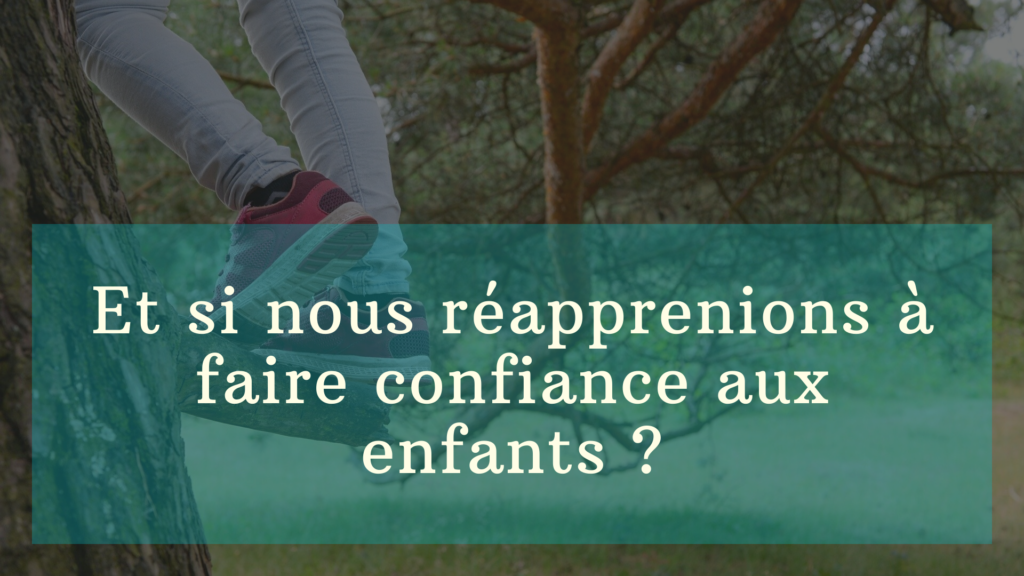
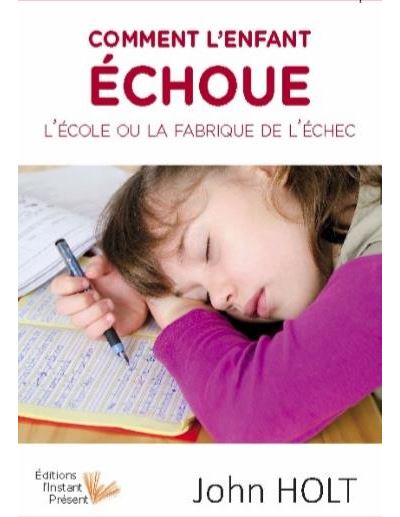
In his book on how children fail, John Holt describes a large playground in London's Holland Park, full of trees to climb, ropes to swing on and structures many adults would call dangerous. When he asked the staff whether many children got hurt there, the answer was no, but with one condition: not since they had stopped letting adults in.
The staff had noticed that when parents, especially mothers, were present, they spent their time warning children not to do this or that, to be careful, to avoid the risky spots. The children were rarely the problem; the running commentary was. It is a small story with large implications for anyone thinking about parental gaze and how children read our faces.
The hidden costs of constant warnings
Alarmist talk has several perverse effects. Some children feel so humiliated by the visible lack of confidence that they turn defiant, as if to say "we'll see about that", and climb a structure they would never have attempted if they had been left to weigh their own skills and the level of risk they were ready to accept.
Once a child is genuinely in a precarious spot, the warnings become self-fulfilling: the shouts destabilise them, and because they climbed out of defiance they are not drawing on their own limits or safety strategies. Saying "don't do that" or "be careful" also fails to explain what the child should do instead, so it teaches nothing about planning an action, checking the ground first or deciding what comes next. Just as young children get car sick because their senses are still learning to match up, a child's risk judgement also needs patient experience rather than constant alarm.
What children do when nobody hovers
When the London staff let children play without parents inside the area, the worst injury recorded was a simple sprained ankle. Holt's conclusion is striking: left alone, children made very prudent choices about the risks they took, because they loved adventure and genuinely wanted some risk, while learning to keep calm and stay focused in a risky situation. That same principle of trusting a child's own judgement applies to what Lego and how they choose to play with it.
| What we say | What it teaches | What to try instead |
|---|---|---|
| Be careful! | Nothing specific; adds alarm | That branch looks thin, what do you think? |
| Don't do that | No plan for what to do | Here is how to check it first |
| You'll fall | A self-fulfilling prophecy | Show me how you'll get down |
| Stop, it's dangerous | Child cannot judge for themselves | Let's look at the ground together |
| Don't touch that | Curiosity becomes defiance | What do you notice about it? |
A deep mistrust runs through our institutions
Holt argues that a profound lack of confidence in children, the feeling that at any second they might do something terribly stupid or destructive, poisons almost every setting that receives them for structured activities: nurseries, schools, playgrounds, sports clubs. That climate shapes everything from how we organise a room to how quickly we intervene.
He also insists that all children, from the earliest age, want to try new things, but they have a sense of what they can and cannot do, and this personal judgement improves with age provided adults do not overprotect them. Watch a toddler meeting a staircase for the first time: climb facing forward or crawl backwards, continue or give up? That deliberation is real work, and it deserves room. A positive discipline approach leaves space for it rather than filling every silence with instructions.
Overprotected children lose their own limits
Holt believes children who are overprotected or subjected to endless warnings end up in one of two places. Some become too timid to attempt anything; others become too reckless to know their own limits, to read the terrain beforehand, or to take measured risks by building effective strategies.
Both outcomes share a root: the child never gets to practise the small loop of noticing, deciding, acting and adjusting. That loop is what turns a cautious toddler into a competent school-age child, and it is also what makes everyday routines calmer, whether that means household chores handled independently or a child learning to ride a bike without stabilisers.
Yet Holt reminds us that we must trust ourselves in order to make sense of the world. The way we look at children and care for them teaches them either to trust themselves, and therefore others and life, or to distrust themselves and never truly know who they are.
How to rebuild trust in practice
Rebuilding trust is mostly about changing what we say. Instead of "be careful", try naming what you see and letting the child decide: "That branch looks thin to me; what do you think?" The question hands the judgement back without abandoning them, and it works just as well when choosing toys for four year olds as it does on a climbing frame. This shift in language echoes what research on parent child bonds suggests about how children read our cues.
It also helps to prepare the environment rather than the child. Check the ground, remove genuine hazards, then step back and stay quiet. If you are choosing equipment or playthings, favour open-ended items that let a child test and adjust, much like the toys for six month olds that reward exploration rather than passive watching.
Match the freedom to the child
None of this means abandoning supervision. It means calibrating it: closer for a very young child, more distant as competence grows. The same principle applies to small mammals for children, where a child can gradually take on feeding and cleaning, learning to notice an animal's needs and to act on them.

My hands-on take
I remember hovering under a climbing frame, repeating "careful, careful" until my child simply stopped climbing and asked to go home. The next time, I sat on a bench and said nothing. It was uncomfortable for about five minutes, and then something shifted: they tested each hold, paused, came down on their own, and went back up with far more confidence than before.
Since then I have tried to catch myself before the automatic warning leaves my mouth. I ask a question instead, or I just watch. It is not always easy, and I still slip, but the difference in how my child moves through the world, and how willing they are to tell me when something feels too much, has been worth the silence.
Frequently asked questions
Does trusting children mean letting them do anything?
No. It means preparing a safe environment, removing real hazards, then letting the child judge what they can handle. Supervision stays, but it becomes quieter and better calibrated to the child's age.
Why do warnings sometimes make children take more risks?
A child who feels distrusted may act defiantly to prove a point, attempting things they would never have tried on their own. Shouted warnings then destabilise them mid-action, which is when accidents become more likely.
At what age can children judge risk?
There is no fixed age; the skill grows with practice. Even toddlers meeting a staircase for the first time are weighing options, and that judgement improves when adults do not overprotect them.
What can I say instead of "be careful"?
Describe what you see and ask an open question, such as "that rope looks worn, what do you think?" This keeps you involved while handing the decision back to the child.
Product Reviews
 Best Toys for Dogs With High Prey Drive |
Best Outdoor Toys for 3-4 Year Olds |
Best Outdoor Toys for 6 Year Olds |
Best Harness for Poodle |
Best LEGO Sets for Adults |
Best Travel Toys for 4 Year Olds on Airplane |
Best Toy Stores in Washington DC |
Best Potty Training Toys |
Best Toys for Tripod Dogs |
Maillot equipe de france







