


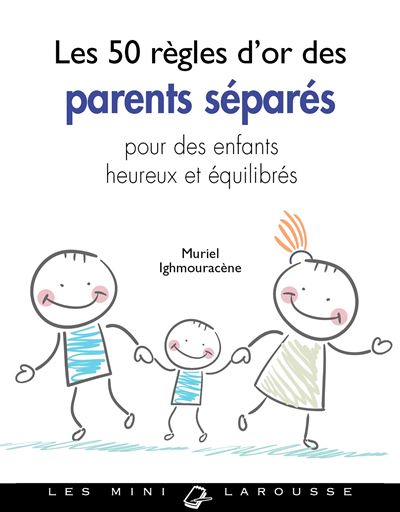
Golden rules for separated parents are the backbone of a small, gentle book that walks mothers and fathers through divorce without losing sight of the child at the centre of it all. The premise is simple: even when a couple separates, they remain parents, and that role does not expire.
After the break-up, tensions often linger inside the new organisation of daily life. The book argues that adults have to act like adults so the child's wellbeing stays a priority, even when concessions and compromises feel hard to make.

What follows is a walk through its main ideas: how to announce the news, how to listen to feelings, how to deal with the other parent, and how to build a new life that still feels secure.
Quick takeaways
- Separated parents remain parents: the child's wellbeing stays the priority
- Name emotions such as guilt, fear and loneliness instead of burying them
- Time is an ally; the pain of separation does not last forever
- Co-parenting is not always possible, and safety comes first
- Reunion rituals make children feel welcome and secure
- The book covers the long timeline, from the decision to a blended family
What this book on separated parents actually covers
The author, Muriel Ighmouracène, came to writing through hands-on work with families: first as a paediatric nurse, then as a nursery director and lactation consultant, before becoming editor-in-chief of a parenting website and the author of several books. That background shows in the tone, which stays practical rather than preachy.
The book sweeps across a wide spectrum of questions divorced parents, or parents about to divorce, actually ask. It looks at the words to use when announcing the news, the ways to listen to children's emotions, the relationship with the former partner, and the outlook for the new life, including step-parents, shared friends and custody arrangements.
Despite its small format, the content is efficient and relevant. It is organised into eight parts that stretch over a long timeline, from the decision to separate through the new organisation and, eventually, a possible blended family. If you are still at the stage of preparing a nursery and a first routine, some of this may feel far off, but the newborn clothes guide is a reminder that family logistics start early.

Emotions first: guilt, fear and the feeling of loneliness
Each of the eight parts addresses key points from an emotional angle, naming guilt, fear of the future and the sense of solitude that so often accompany a break-up. Naming them matters, because unspoken feelings tend to leak into co-parenting conversations.
The author reminds readers that after a separation, time is an ally for adults and children alike, and that the pain will not last forever. At the same time, she recognises how important emotional expression is. Separating means mourning the ideal family, even for the parent who initiated the break-up.
Why the split can be both painful and necessary
A separation may be saving and precious, yet it remains deeply painful for every member of the family. Holding both truths at once is part of what makes the book feel honest rather than simplistic. Parents who are struggling to find their own footing may recognise themselves in reflections on identity, such as who am I when the roles of partner and parent shift at the same time.

| Area | What to do | Why it helps |
|---|---|---|
| Announcing the news | Choose simple, honest words | Children need clarity, not detail |
| Emotions | Listen and allow expression | Feelings named are feelings softened |
| Co-parenting | Try mediation or written exchanges | Reduces conflict and protects safety |
| Schedule | Use shared planning tools | Predictability lowers anxiety |
| Money | Agree on rules early | Prevents recurring disputes |
| Rituals | Create a reunion tradition | Signals belonging and security |
Building successful co-parenting, even when it is difficult
The book offers advice for making co-parenting work while admitting that it is neither simple nor always possible. In some cases, mediation or supportive third parties are the right route. In others, rare exchanges, perhaps only in writing, more distance, or occasional structured visits are what keeps things safe.
Keeping the parental bond should be the priority objective, on one condition: that everyone's safety is assured. That condition is not met where there is domestic violence, and the book is clear about that limit rather than pushing reconciliation at any cost.
Practical organisation gets real attention too, from tools for managing the schedule to communicating about school and extracurricular activities. The thorny question of money is not avoided either. Readers who want to prepare children for the wider world alongside these logistics may also enjoy cheapest board games for calm family evenings, or Easter basket toys for keeping both homes stocked with small comforts.

Routines and rituals that reassure children after separation
Once parents live in two separate places, the author suggests setting up a reassuring routine that each household finds according to its own needs and preferences. Predictability is the point: children relax when they know what comes next.
She gives concrete examples of a reunion ritual: a tray dinner in front of a film, an origami folding session, a little love note left on the pillow, or the child's favourite dish on the menu. These small gestures tell children returning to the home that they are welcome, and they help them feel secure inside a sequence they can anticipate.
Small rituals, big signal
Installing rituals is a way of making the return feel like an arrival rather than a transition to endure. Parents looking for more ways to fill shared time can borrow ideas from Kumon Method learning habits or simple hair cutting tutorials for a low-key weekend activity at home.

Looking ahead: blended families, shared friends and the long view
The final parts turn toward the future: relationships with step-parents, with friends the couple once shared, and with the custody arrangements that will shape the years ahead. These are the questions that surface later, once the dust of the separation has settled.
Because the book covers such a long stretch of time, it works as a reference to return to rather than a single read. A parent facing a new partner moving in, or a child asking why things changed, can open the relevant section again. Families who enjoy playing together may find common ground in how LEGO sets are designed, a topic that sparks conversation across households, while toy stores can help readers plan a treat during handover weekends.
Its message stays consistent throughout: keep the child's wellbeing central, accept that time does the rest, and let kindness guide the practical decisions.

My hands-on take
What I appreciated most when reading about this book was how it treats time. When my own separation happened, my daughter was two and a half, and I could not imagine that the raw, exhausting phase would ever loosen its grip. More than seven years later, I can confirm the author's point: the suffering does not last forever, even if it feels permanent while you are inside it.
I also learned the value of small rituals the hard way. A note on the pillow and a familiar dinner on return nights did more for my child's sense of security than any long explanation I attempted. If you are in the middle of this, keep the gestures simple, repeat them, and let them do the quiet work.
Frequently asked questions
Is this book only for parents who have already separated?
No. It also addresses parents who are still deciding or on the verge of separating, since the first sections deal with the decision itself and how to announce it.
Does the author claim co-parenting always works?
She does not. She acknowledges that it is neither simple nor always possible, and suggests mediation, written-only exchanges or structured visits when needed.
What if there is violence in the relationship?
The book states that keeping the parental bond is a priority only when everyone's safety is assured, which is not the case where there is domestic violence.
Are the rituals complicated to set up?
Not at all. Examples include a tray dinner, an origami session, a note on the pillow or a favourite meal, all simple gestures each household can adapt.
Product Reviews
 Best Toys for Dogs With High Prey Drive |
Best Outdoor Toys for 3-4 Year Olds |
Best Outdoor Toys for 6 Year Olds |
Best Harness for Poodle |
Best LEGO Sets for Adults |
Best Travel Toys for 4 Year Olds on Airplane |
Best Toy Stores in Washington DC |
Best Potty Training Toys |
Best Toys for Tripod Dogs |
Maillot equipe de france







