


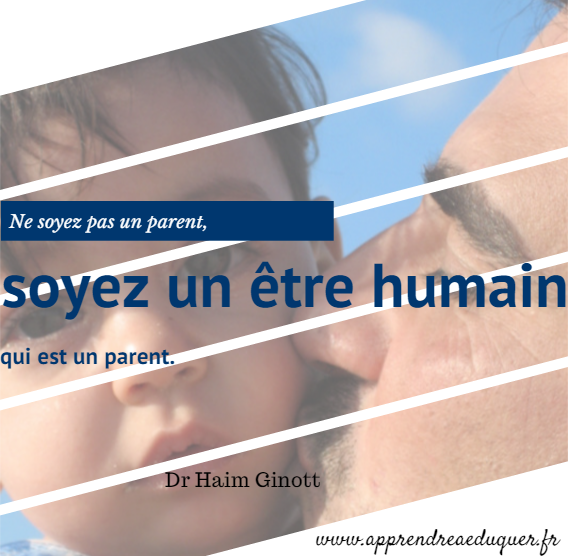
Positive parenting quotes are not about becoming a perfect parent; as Haim Ginott put it, what matters is not perfection but direction. The ideas gathered here come from writers and practitioners who see the child as naturally good and worth cultivating.
Rather than a list to admire from a distance, these lines work best as small reminders. Read one, notice how it changes the way you speak to your child today, and let the rest wait. The sections below group the quotes by theme and add a few practical notes on how an ordinary parent might actually use them.

Quick takeaways
- Aim for direction, not perfection, in your parenting.
- Look for the need behind a difficult behaviour.
- Encouragement works better than reward or punishment.
- The way you speak becomes your child's inner voice.
- Respect small sorrows; they matter to the child.
- Be as kind to yourself as you are to your child.
Believing in the child's good nature
Jean Liedloff reminds us that a child's sense of being good grows out of how they were treated, which in turn reflects how their parents saw the nature of children. Thomas Gordon adds a social urgency: we need people courageous and self-disciplined enough to act on their own sense of right and wrong rather than obey blindly.
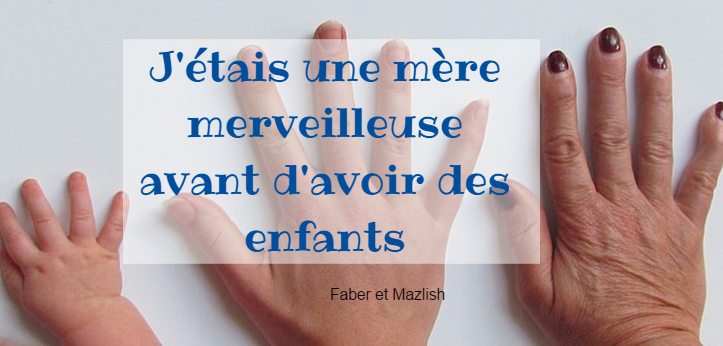
Faber and Mazlish frame life as a continual process of adjustment, and the goal is for the child to keep seeing themselves as part of the solution rather than the problem. That shift in framing changes how we respond to the small daily messes, from spilled juice to a broken toy.
What this looks like in practice
When something goes wrong, invite the child into the repair instead of delivering a verdict. Simple routines and shared tasks help here, and even picking best car toys for a long drive becomes a small lesson in choosing together.

Making room for empathy
Catherine Gueguen asks whether raising children gently, with affection and empathy, might make humans more peaceful and loving. Do we really need to harden children so they become inflexible and adapt to a harsh world? Myla and Jon Kabat-Zinn describe how deeply people long to be seen and accepted for who they are, treated with kindness, compassion and respect.
Ginott notes that the parent-child relationship is full of challenges, but methods soaked in respect and empathy, sensitive to the child's emotions and needs, lighten the task. Arnaud Deroo puts it simply: educating means hearing the need and the reason behind an unacceptable behaviour.
That is easier when the adults around a new parent are supportive too, which is why the small kindnesses matter, including the way we talk to a tired mother, as explored in things you should not say.

| Theme | Key idea | Try this at home |
|---|---|---|
| Good nature | Children grow into how they are treated | Invite the child into fixing what went wrong |
| Empathy | Behaviour signals an unmet need | Ask what the child needed before reacting |
| Encouragement | Water to the plant | Name the effort, not just the result |
| Language | Love is fuel, not reward | Replace conditional promises with noticing |
| Self-compassion | Perfect parents do not exist | Speak to yourself as you would to a friend |
Changing how we read the child's intentions
In attachment theory, behaviours are motivated by needs. Isabelle Filliozat explains that an exaggerated, inappropriate or violent attitude is not the problem but a reaction to one: a situation the child cannot solve, an emotional frustration or an overload. Lawrence Cohen reminds us that everyone needs a reservoir filled with attachment through human contact and affection.
Jane Nelsen's line is worth keeping close: the child who needs the most love is often the one who shows it least. Thomas Gordon points out that the need to be loved, touched, attached and played with is not always recognised like thirst or hunger. Faber and Mazlish ask whether we want children focused on what they are missing, or thinking about how to repair mistakes.
Understanding this need for closeness helps explain early bonds, and it connects naturally to the father's role in the first years as well as the sibling dynamics that shape a family book kept at home.

Encouragement over reward and punishment
Rudolf Dreikurs said encouragement is to the child what water is to a plant. Malek Boukerchi calls "I believe in you" one of the most beautiful phrases we can offer, building self-esteem and the wish to share. Jane Nelsen notes that the idea of paying for inappropriate behaviour remains deeply rooted, yet children improve when they feel encouraged.
Catherine Gueguen argues that self-confidence is not decided; it is given by others, first by parents. Peggy O'Hara's warning is gentle but sharp: the way we speak to our children becomes their inner voice. Michel Claeys reframes failure as experience, and Emmanuelle Piquet calls the message of love one of trust in the child's abilities.
Praise for effort rather than outcome is the practical version of all this. It also shapes how children play, whether choosing Easter basket toys for a toddler or a first learning toy for a two-year-old.

Learning a new language
Marshall Rosenberg offers a counter-intuitive rule: the less we like what someone does, the more important it is to see the good reasons they have for acting that way. John Bowlby describes attachment as an instinct that leads us, throughout life, to need to be listened to, heard, understood and supported by people we consider close.
Isabelle Filliozat's line is memorable: love is not a reward, it is fuel. Thomas Gordon goes further, arguing that rewards are not only ineffective but corrosive, eroding the motivation that supports achievement, competence and self-esteem.
In practice this means replacing "if you do this, you get that" with noticing and describing. It applies to play too, from a crawling baby reaching for a toy to a child arranging upcoming LEGO sets on a shelf.

Kindness towards ourselves and steady progress
Rosenberg describes the hell of having children while believing perfect parents exist: if every shortfall brings self-reproach, the children gain nothing. Self-compassion is not indulgence; it is what allows a parent to keep going after a hard day.
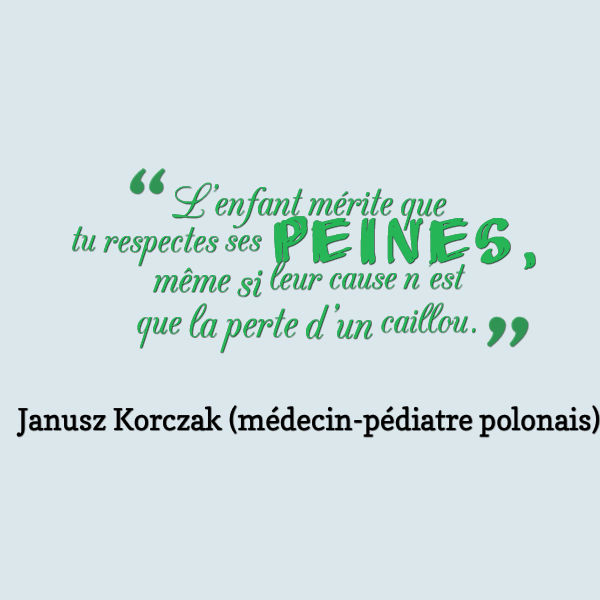
Janusz Korczak reminds us that a child deserves respect for their sorrows, even when the cause is only the loss of a pebble. And attention is its own gift: a real conversation with a child is worth more than a distracted hour. Small shared moments, like cooking pumpkin crepes together, often teach more than any lecture.
Progress, not perfection, is the thread running through every quote here. Choose one idea, try it for a week, and let the rest follow at their own pace.








My hands-on take
I first came across these ideas when my eldest was in the middle of a shouting phase, and I remember reading Nelsen's line about the child who needs the most love showing it least. It did not fix anything overnight, but it changed what I did in the moment. Instead of matching the volume, I started asking what had happened earlier in the day.
What helped most was picking one quote per week and sticking it on the fridge. One week it was "love is fuel, not reward", and I caught myself mid-sentence offering a treat for cooperation. I did not always get it right, but the reminders slowly rewired how I speak. If you try this, keep the list short and be patient with yourself.
Frequently asked questions
What is positive parenting in simple terms?
It is an approach that treats the child as naturally good and responds to behaviour as a signal of needs rather than as something to punish. Respect, empathy and encouragement sit at its centre.
Does positive parenting mean never setting limits?
No. The quotes stress respect and empathy, not permissiveness. Limits can be held firmly while the child's feelings and reasons are taken seriously.
Why are rewards discouraged in these quotes?
Thomas Gordon argues that rewards can erode the inner motivation that supports competence and self-esteem. Encouragement, by contrast, feeds the child's sense of capability.
How do I start if this feels overwhelming?
Pick one quote that resonates and apply it for a week, such as naming effort instead of praising results. Small, steady changes are more sustainable than a complete overhaul.
Product Reviews
 Best Toys for Dogs With High Prey Drive |
Best Outdoor Toys for 3-4 Year Olds |
Best Outdoor Toys for 6 Year Olds |
Best Harness for Poodle |
Best LEGO Sets for Adults |
Best Travel Toys for 4 Year Olds on Airplane |
Best Toy Stores in Washington DC |
Best Potty Training Toys |
Best Toys for Tripod Dogs |
Maillot equipe de france







