


Redirecting aggressive child behavior works best when adults stop fighting the impulse and start channeling it. Children who hit, bite, throw, scream or swear are usually carrying internal tension they cannot yet name, and play offers them a safe outlet for it. Power-reversal games, where the adult theatrically plays the weak one and lets the child win, give that tension somewhere to go.
Instead of banning war games or roughhousing outright, you can steer the activity toward connection and laughter. The key is a firm safety frame: no blows to the face, and the game stops the instant someone shouts "Stop!" Consent is never negotiable, and the adult pauses the play until the child is calm again.

Quick takeaways
- Redirect aggression into power-reversal games where the adult playfully loses.
- Set safety rules first: no face hits, stop instantly on "Stop!".
- Pause rough play at the first sign of aggression, resume when calm.
- Join violent play briefly to open new ways of handling impulses.
- Use silly voices and fake nicknames to defuse screaming and swearing.
- Reach withdrawn children with notes slipped under the door.
Why Playful Responses Beat Punishment
A playful answer from an adult does not teach a child to be aggressive or hurtful. In practice it tends to soften the aggressive impulse rather than feed it, because the child gets the release without the conflict. When you respond with drama and humor, you turn a power struggle into a shared game.
This is especially useful during the turbulent phases described in two year revolution, when big feelings outrun language. Rough-and-tumble play can include intense physical contact, such as pillow fights, but the adult interrupts the moment aggression appears. The pause lasts only until the child settles, then play resumes.
Basic rules keep everyone safe: no hits to the face, and an immediate stop when anyone calls "Stop!" That frame is what makes the freedom of play possible.
Redirecting Physical Aggression: Throwing, Hitting, Biting
If your child throws everything on the ground or hurls objects, turn it into a paper-ball battle. Pretend each ball is a mine, dodge theatrically, and collapse dramatically when you are hit. Pillow fights work the same way: the parent falls to the floor every time the child lands a soft blow.
For pushing and shoving, stand face to face with joined hands and outstretched arms, growling as you try to push each other across the room. Let the child win safely, for example by tumbling onto the couch. This kind of physical give-and-take is a natural fit for active kids who also enjoy airplane toys or other movement-based play.
When Toys Get Destroyed
If a child rips the heads off plastic figures and throws them down the stairs, join the game for a while. Play therapist Lawrence Cohen explains that the only way to end a violent game is to play it with the child for a time, opening a new field of possibilities and other ways to handle aggressive impulses.

| Behavior | Playful response | Safety rule |
|---|---|---|
| Throwing objects | Paper-ball battle with dramatic dodging | Soft objects only |
| Hitting or pushing | Hand-push contest, parent falls onto couch | No face contact |
| War games | Dramatic "death" or love gun | Stop on "Stop!" |
| Screaming indoors | Voice games: whisper, roar, robot | Move roaring outside |
| Swearing | Secret nickname joke | Keep tone warm, not mocking |
| Withdrawing | Notes under the bedroom door | No pressure to answer |
Detourning War Games and "Bang Bang"
When a child points a finger and says "Bang bang, you're dead!", one connecting response is to die as dramatically as possible. The goal is emotional release and laughter, not a lecture. Children who replay battles again and again are often working through something, much like the young heroes in Cervantes for children who fight imaginary giants.
Cohen's "love gun" is a special weapon: anyone hit must love the shooter and give hugs. The same works for love kicks, "Now I have to give you a hug!" If the child protests that it was a mean gun, reply that the weapon must have jammed or that a magician cast a love spell on it.
Building games offer another channel for the same energy, whether it is a simple construction set or a clever challenge like Imperial LEGO trick. The point is to keep the child moving and laughing with you rather than against you.
Redirecting Verbal Aggression: Screaming, Swearing, Backtalk
For a child screaming indoors, play with voice tone and volume instead of shushing. Ask for a whisper like a secret, a lion's roar, a choppy robot voice, a Santa laugh or an elephant trumpet. Then suggest the tiger roar happen outside.
Rather than suppressing swear words, Cohen suggests playing with them. If your child calls you "mean" or "idiot", answer "Shh! Don't tell anyone my secret nickname!" When the child repeats it everywhere, reply "Ah, you believed me? My real nickname is cornflake head!" The sillier the nickname, the better: the aim is to release tension through laughter and turn an emerging power struggle into a game.
Humor also defuses the pressure tactics described in blackmail and education, where threats replace connection. A joke lands better than a warning.

Reconnecting With a Child Who Withdraws
Some aggression turns inward. A child who isolates, slams the bedroom door and refuses to talk can be reached through small notes slipped under the door. Keep them short, warm and free of demands. This restores communication without forcing a face-to-face confrontation the child is not ready for.
Patience matters here, just as it does when a child climbs out at night or tests limits in new situations such as the first days described in a day at kindergarten. Connection usually returns faster through play and small gestures than through interrogation.
If your child responds to stories, a shared book can reopen the conversation. Quiet reading together, or a film from a list of movies teaching lessons, gives you something neutral to talk about.
Building a Safe Play Framework
Set the rules before you start: no face hits, stop on "Stop!", and a pause whenever things escalate. The adult stays in charge of safety while the child leads the game. This balance is the same one that helps during daily routines like kindergarten drop-off, explored in kindergarten scholarship questions.
Watch for signs of overstimulation and end on a high note before tears arrive. A short, silly game repeated often beats one long session. Over time, children learn that big feelings have a place to go, and that the adults around them can be trusted with those feelings.
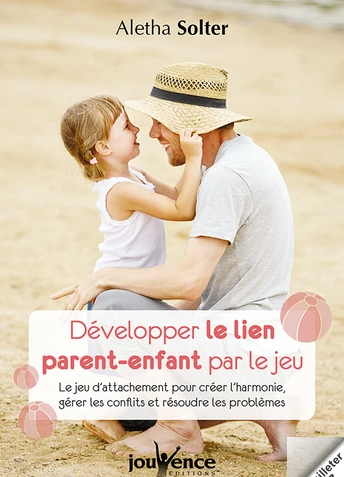

My hands-on take
In my own home, the paper-ball battle became our go-to after a hard day. My child would come home wound up, and instead of correcting the first sharp word, I would grab a sheet of paper, crumple it and dive behind the couch. Within a minute we were both laughing, and the tension that had been building all afternoon simply drained away.
The rule that saved us was stopping on "Stop!". The first few times, I had to model it myself, freezing mid-lunge and saying "Okay, stop means stop." It felt awkward at first, but it taught my child that the game was safe and that their voice mattered. I also learned to end on a high note, before tiredness turned laughter into tears.
Frequently asked questions
Won't playful responses encourage my child to be more aggressive?
Playful responses tend to soften aggressive impulses rather than feed them, because the child gets release without conflict. The safety frame and the adult's calm presence make the difference.
What do I do if the game gets too rough?
Stop immediately, wait until the child is calm, then resume. Agree on rules beforehand, such as no hits to the face and stopping the moment someone says "Stop!".
Is it wrong to let my child win?
Letting the child win safely is the point of power-reversal play. It gives the child a sense of control and releases tension through laughter.
How do I reach a child who refuses to talk?
Try slipping short, warm notes under the bedroom door. This keeps communication open without forcing a confrontation.
Product Reviews
 Best Toys for Dogs With High Prey Drive |
Best Outdoor Toys for 3-4 Year Olds |
Best Outdoor Toys for 6 Year Olds |
Best Harness for Poodle |
Best LEGO Sets for Adults |
Best Travel Toys for 4 Year Olds on Airplane |
Best Toy Stores in Washington DC |
Best Potty Training Toys |
Best Toys for Tripod Dogs |
Maillot equipe de france







