


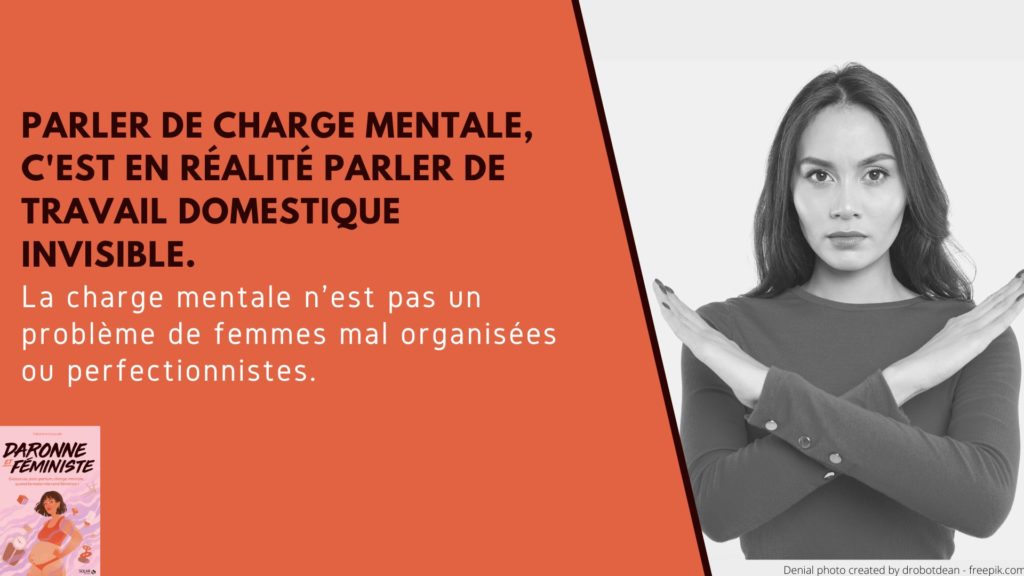
Mental load is the constant, invisible planning that keeps a household running, and it is far more than a personal organisation problem. Too often it gets framed as something women should fix themselves, with planners, apps and advice to simply let things go.
In reality, the mental load is the thinking part of domestic work: noticing, remembering, deciding and anticipating. It includes the toilet paper that needs adding to the shopping list, the clothes your child has outgrown, the vaccination appointment still to book and the tax return waiting to be filed.

This article looks at why the phrase "invisible domestic work" describes it better, how chores are shared unequally, and what families can realistically do about it.
Quick takeaways
- Mental load is the thinking part of domestic work, not a personality flaw.
- It is permanent, exhausting and invisible, which is why it goes unrecognised.
- Women do 60% of domestic work overall but 72% of the repetitive core tasks.
- Asking a partner for a to-do list leaves planning with the same person.
- Sharing whole areas, including restocking and scheduling, reduces the load.
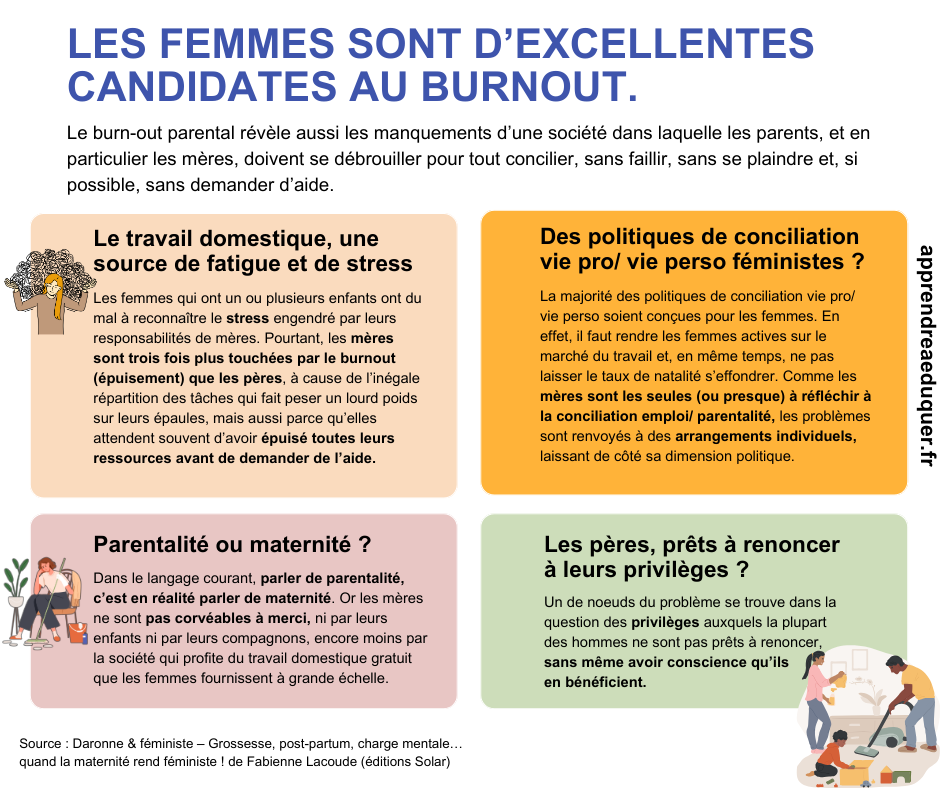
- Mothers are three times more affected by burnout than fathers.
Mental load or domestic work?
Writing about family life, Fabienne Lacoude argues that the mental load has been presented in the media as a problem women should solve on their own, with organising tips, calls to let go or criticism of a supposed perfectionist streak. She compares the mental load of family life to organising a work meeting: fixing a date, booking a room, telling everyone the time and place, handling absences and surprises, checking the equipment works, arranging the chairs and arriving early to welcome people.
Nobody would tell the person running that meeting to relax and stop worrying about the details. Household work is the same. No one takes on this mental load by choice; someone has to think of everything so the home runs properly. If you are expecting a baby and already wondering how you will manage, a midwife support can help you plan the practical side of early parenthood.
Why the words matter
Calling it invisible domestic work places responsibility on the shared household rather than on one person's personality. It also makes the thinking visible, so it can be discussed, counted and shared.
Domestic work is mostly carried by women
Lacoude separates domestic work from mental load. The French statistics office defines domestic work by three criteria: it is productive, it is unpaid, and it can be delegated to someone else. Some tasks are ambiguous, though. Gardening, DIY and playing with your children could be work or leisure. Context matters: darning torn socks is not a hobby, while sewing dresses for dolls is closer to pleasant leisure.
Domestic work is also split into three perimeters. The restricted one covers cooking, dishes, cleaning, tidying, material care of children and dependent people, laundry, household management and driving people around. The intermediate perimeter adds shopping, DIY, gardening and playing with children. The extensive one adds driving for yourself and walking the dog.
The closer you get to the restricted core, the wider the gap between women and men. Women take on 60% of domestic work overall but 72% of the core tasks. The more tedious, repetitive and time-consuming a job is, the more likely a woman is doing it. Men often point to car maintenance or mowing the lawn, without noticing these are not daily and are less draining. Choosing Montessori climbing toys or open ended toys is part of that same thinking work.

| Area | Typical invisible tasks | Who currently owns it |
|---|---|---|
| Meals | Planning, checking stock, list | |
| Cleaning | Products, bags, filters, schedule | |
| Children | Clothes, appointments, school | |
| Admin | Bills, taxes, paperwork | |
| Outings | Bags, snacks, travel planning |
The mental load is part of domestic work, even when invisible
You cannot clean a house if there are no cleaning products in the cupboard, no sponges, broom, vacuum or mop. Products must be restocked, which means monitoring levels, adding them to the list and choosing between the most effective and the cheapest according to criteria you had to define in advance. All of that is thinking, and thinking is work.
A common problem in couples is that men ask their partners, in good faith, to tell them what they can do around the house. That leaves women in charge of planning and dividing the chores, and it means the conditions for action are not considered by men. Vacuuming is not just vacuuming: someone has to buy the bags, change the full bag, or empty the canister and clean the filter.
In one word, the mental load is thinking. It is permanent, exhausting and invisible. It fuels fatigue and stress, and fatigue and stress prepare the ground for burnout. That is why "invisible domestic work" is the more accurate phrase. Even small choices, like non toxic teething toys or teething toys, sit inside this hidden planning.

Mothers are strong candidates for burnout
Women with one or more children often struggle to recognise the stress their responsibilities create. Yet mothers are three times more affected by burnout than fathers, because of the unequal share of tasks. The exhaustion is real, and it rarely announces itself.
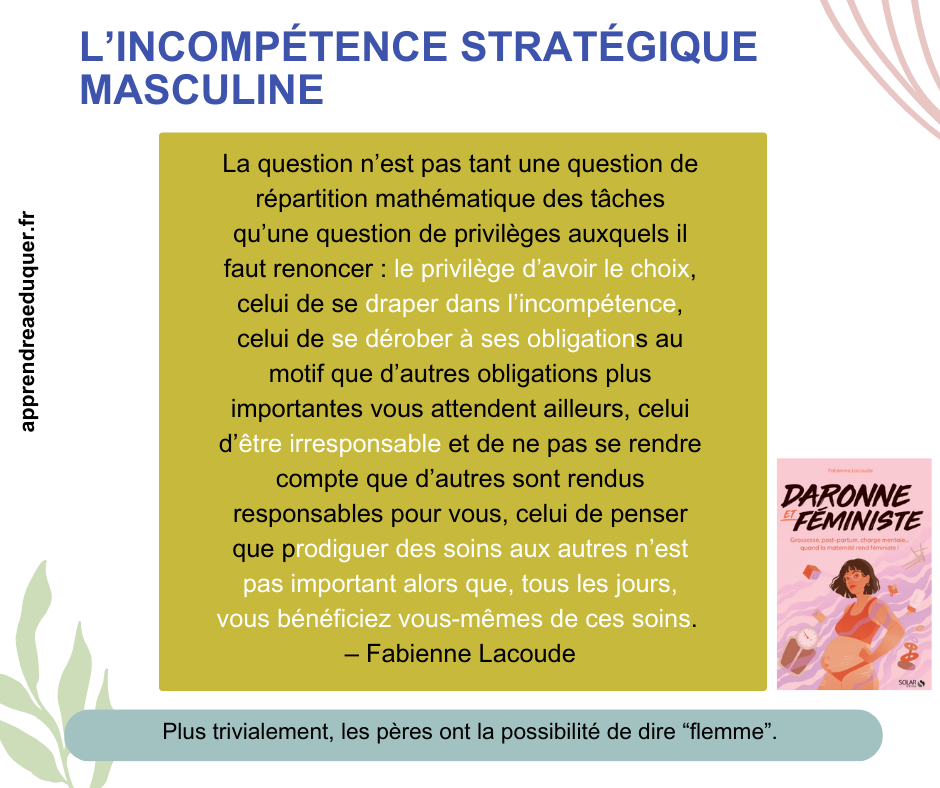
Recognising it starts with naming the invisible work out loud. Instead of asking for a list of chores, a partner can take ownership of a whole area, including the thinking: noticing when supplies run low, deciding what to buy, scheduling the appointment and following through. That is the difference between helping and sharing the load.
This matters at every stage. Parents of a six month old or a ten month old are often deep in the most repetitive core tasks, while parents of older children face a different kind of planning around school, activities and independence. Respecting a teenager's space still requires quiet logistical thinking behind the scenes.
How to share the thinking, not just the tasks
A useful starting point is to list the recurring jobs in your home and mark who currently thinks about each one, not only who performs it. You may find that one person holds most of the remembering. From there, hand over entire areas rather than single tasks, so the other person owns the noticing, the deciding and the restocking.
It also helps to accept different standards. If a partner takes over bath time or packing the changing bag, let them do it their way, even if it is not yours. Perfectionism keeps the load in place. Practical choices, such as toys to encourage crawling or travel toys, can be genuinely shared decisions rather than one person's silent responsibility.
Finally, talk about the load before it becomes resentment. A short weekly check-in about what is coming up, who is handling what and where the pressure points are can prevent the slow build-up of fatigue that leads to burnout.


My hands-on take
In my own home, the change that helped most was not a chore chart. It was agreeing that one person would own the cleaning cupboard completely: noticing when supplies were low, choosing what to buy and dealing with the vacuum bags and filters. Sounds small, but it removed a whole stream of quiet reminders from my head.
We also stopped treating "just tell me what to do" as help. Now, when something is handed over, the thinking goes with it. It took a few awkward weeks of letting go of my own standards, and yes, some things were done differently. But the house still ran, and the mental quiet was worth it.
Frequently asked questions
Is mental load the same as domestic work?
It is part of domestic work. Domestic work includes the visible tasks, while the mental load is the planning, remembering and deciding that make those tasks possible.
Why do women carry more of it?
Because the most repetitive and time-consuming core tasks fall disproportionately to women, and planning tends to stay with the person already doing them unless it is deliberately shared.
How can a couple share it fairly?
By handing over whole areas rather than single tasks, so each person owns the noticing, deciding, restocking and scheduling, not just the doing.
Does this only affect parents?
No. Anyone running a home carries some of this invisible work, but the arrival of children usually multiplies it sharply.
Product Reviews
 Best Toys for Dogs With High Prey Drive |
Best Outdoor Toys for 3-4 Year Olds |
Best Outdoor Toys for 6 Year Olds |
Best Harness for Poodle |
Best LEGO Sets for Adults |
Best Travel Toys for 4 Year Olds on Airplane |
Best Toy Stores in Washington DC |
Best Potty Training Toys |
Best Toys for Tripod Dogs |
Maillot equipe de france







