


Democratic schools put freedom and equality at the heart of education, letting children choose their own activities while adults and children share the same rights. Rather than classrooms and formal instruction, these schools are real living spaces where learning happens informally and autonomously.
This approach grows from a rejection of institutional violence and a belief that children deserve the same dignity as adults. Understanding how these schools actually work helps parents judge whether such an environment might suit their own family.

Quick takeaways
- Freedom and equality are the two founding values of every democratic school.
- No classrooms, no hierarchy between activities, and learning happens informally.
- Adults act as facilitators and models, not as teachers with authority.
- Budgets and rules are decided in assemblies where children vote equally.
- Schools differ in governance: Justice Councils, Peace Councils or Restorative Circles.
- The guiding principle is simple: no concession on freedom.
The founding values of democratic schools
Two values are shared by every democratic school project: freedom, meaning the free choice of activities, and equality, meaning adults and children hold equal rights. These values are not abstract slogans but shape daily practice in visible ways.
Living spaces are collective, with no classrooms and no dedicated place for formal instruction. No activity is treated as more educational than another, so there is no hierarchy between games and lessons. Learning happens informally or autonomously, without any intention to educate or instruct, which echoes the spirit behind open ended toys that let children direct their own play.
Many people drawn to these schools start from noticing institutional violence in traditional settings and recognising that this violence is constructed rather than inevitable. Democratic schools aim to be genuine places of life where each person experiences harmony and justice within a small community. Families who value this kind of freedom often find the same principles reflected in the values we learned through stories and shared reading. The same respect for each person's rhythm also underpins the option to request schedule changes without reducing working hours, and the attention given to early warning signs in health matters.

What all democratic schools have in common
Beyond shared values, several practical features appear across democratic schools. The posture of adults is central: they act as benevolent facilitators of learning rather than teachers, with no social or structural hierarchy. Many are trained in Nonviolent Communication or deeply interested in it, and they emphasise exemplarity in their own behaviour.
Internet access is free, treated as a cultural tool in its own right for finding information, sharing common values and opening up culturally. The school budget is co-managed: it is voted on in assemblies where children hold the same power as adults, and any member can propose a purchase for the assembly to approve or reject.
School councils and shared rules
School councils usually meet weekly and are the place to discuss living rules based on members' requests, whether modifying, adding or removing a rule. They guarantee the school's framework, participation is not compulsory, and they are an ongoing search for compromise. This mirrors the patient, negotiated approach you might recognise when reading books by Benji Davies with a child who is learning to express needs. The same spirit of shared discovery can grow through outdoor toys, and families planning trips may enjoy beautiful towns together.

| Area | Who decides | How it works |
|---|---|---|
| Daily activities | Each child | Free choice, no activity ranked higher |
| Rules of living | Whole community | Weekly council, participation optional |
| Budget and purchases | Children and adults equally | Proposals voted in assembly |
| Conflicts | Community structures | Justice Council, Peace Council or Restorative Circles |
| Formal teaching | Child requests it | Adult acts as teacher for an exam |
Diverse approaches to the same emancipatory values
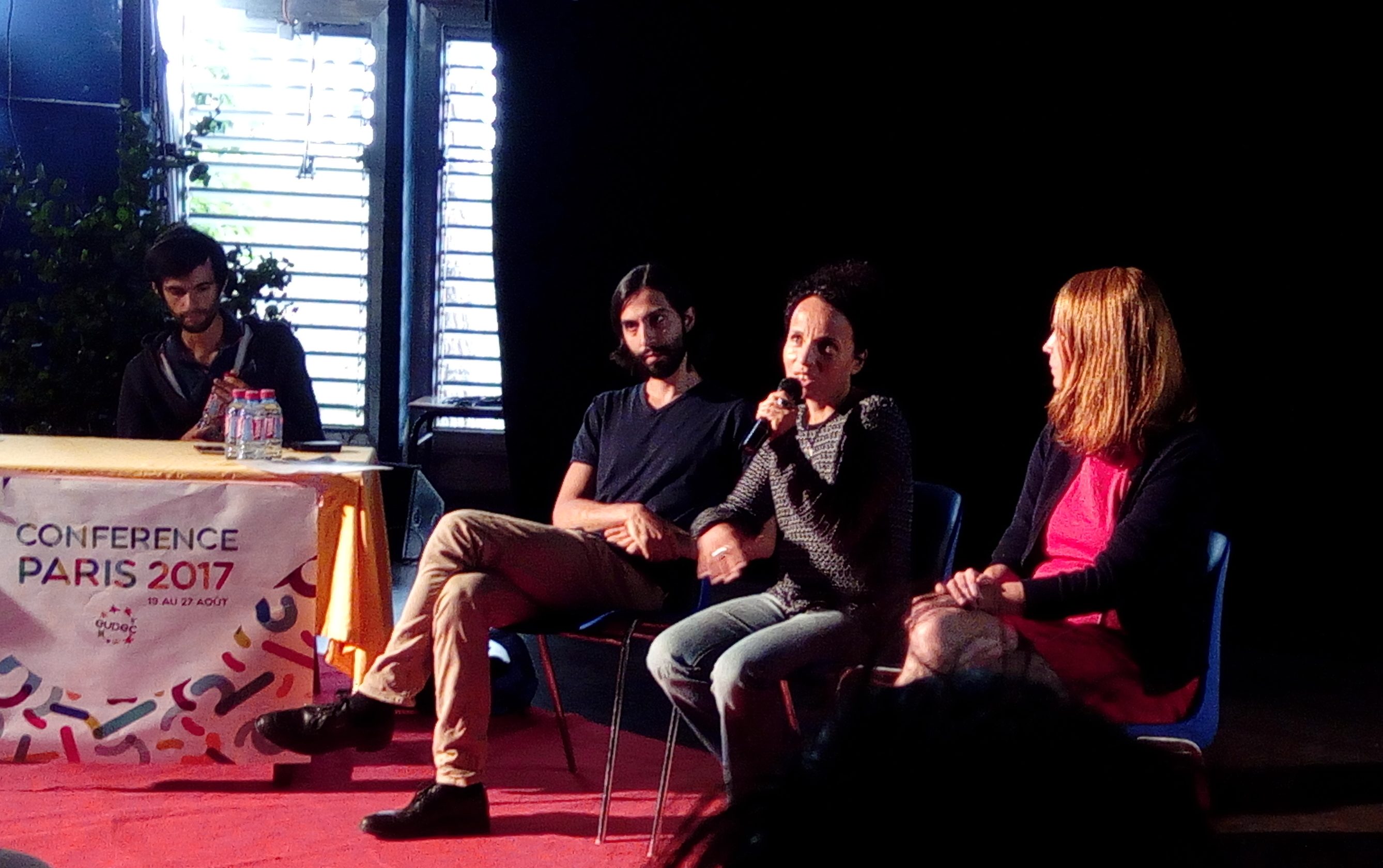
Ramin Farhangi stresses the importance of offering a diversity of approaches, both within the network of democratic schools and within the local and national educational offer. The only rule should be: no concession on freedom. The aim is for each child to find a fitting shoe rather than conform to a standard because there is no local alternative.
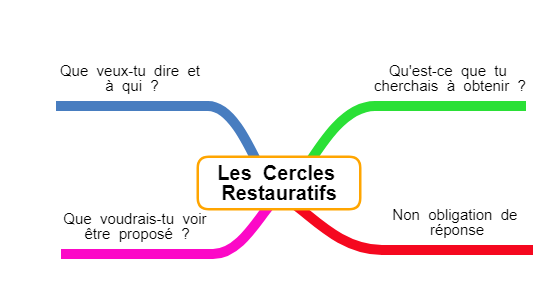
This is why schools can share values while differing in governance. Some insist on the importance of sanction through a Justice Council, while others prefer to avoid sanction as much as possible and seek compromise through a Peace Council. Others have introduced Restorative Circles.
For parents, this variety is reassuring: it means the philosophy can adapt to different children and contexts, much as you would choose outdoor toys for 5 year to match a particular child's temperament rather than forcing one standard option.
What adults actually do in a democratic school
Adults in democratic schools are guided by two complementary needs: respect for themselves, including personal limits, and respect for others, rooted in the conviction that children and teenagers have the same value as adults. These needs imply mutual respect, dignity, integrity, sincerity and authenticity.
The adult role can take many forms: being a resource person when children have questions, maintaining an empathetic relationship through listening and exchange, helping to develop projects when children ask, or acting as a teacher for those who want one in view of an exam. Adults also aim to be inspiring models who show creativity, manage emotions and solve problems without violence, planting seeds of trust in the community.
This modelling matters outside school too, for instance during the first family outings where patience and calm set the tone, as covered in baby's first outings.
How children learn without a fixed curriculum
Because no activity is ranked above another, children move between play, conversation, projects and digital exploration according to their own curiosity. A child may spend a morning building, an afternoon reading, and an hour in a council debating a rule, and all of it counts.
Adults do not direct this flow but stay available, answering questions and offering help when it is requested. When a child wants structured teaching for an exam, an adult can step into that role temporarily, which keeps support responsive rather than imposed.
This trust in self-direction connects to broader questions about how we structure children's time, including debates over the most beneficial school day and whether split or intensive schedules serve learning better.

Is a democratic school right for your family?
Democratic schools suit families who prioritise autonomy, equality and non-violence over standardised achievement. They ask parents to trust that informal, self-directed learning is genuine learning, and to accept that children will have real power in decisions.
It helps to visit, observe a council, and talk to adults about how conflicts are handled. Reading about shared family values we learned together can also help children understand why rules are negotiated rather than imposed.
If your child thrives on freedom and shared responsibility, this model may feel like a natural extension of home life rather than a break from it.
My hands-on take
When I first read about democratic schools, what struck me was how familiar the adult posture felt. At home, I try to answer my child's questions honestly rather than redirect them to a "right" activity, and I have noticed how much more they engage when I follow their lead instead of scheduling everything.
The idea of equal voting rights in a budget assembly initially sounded idealistic to me. But thinking about it, small negotiations happen in every family: which game to play, how to spend a Sunday, who chooses the bedtime story. Treating those moments as genuine compromises rather than decisions handed down has changed the mood in our house far more than any rule ever did.
Frequently asked questions
Are adults in democratic schools just supervisors?
No. They act as facilitators, resource people and inspiring models, and can become teachers when a child requests it for an exam. Their role is relational and supportive rather than directive.
Do children really have the same power as adults?
In assemblies and budget votes, yes, each member has an equal voice. Children can propose purchases or rule changes and the community votes on them.
Is participation in school councils compulsory?
No, participation is not obligatory. The councils still guarantee the school's framework and serve as a space for ongoing compromise.
How do democratic schools handle conflict?
Approaches vary. Some use a Justice Council with sanctions, others a Peace Council seeking compromise, and others Restorative Circles.
Product Reviews
 Best Toys for Dogs With High Prey Drive |
Best Outdoor Toys for 3-4 Year Olds |
Best Outdoor Toys for 6 Year Olds |
Best Harness for Poodle |
Best LEGO Sets for Adults |
Best Travel Toys for 4 Year Olds on Airplane |
Best Toy Stores in Washington DC |
Best Potty Training Toys |
Best Toys for Tripod Dogs |
Maillot equipe de france







