


Sibling conflict resolution gets easier when you stop thinking in terms of who is guilty and start thinking in terms of relationships and needs. That shift turns everyday squabbles into chances to teach relational skills rather than courtroom battles.
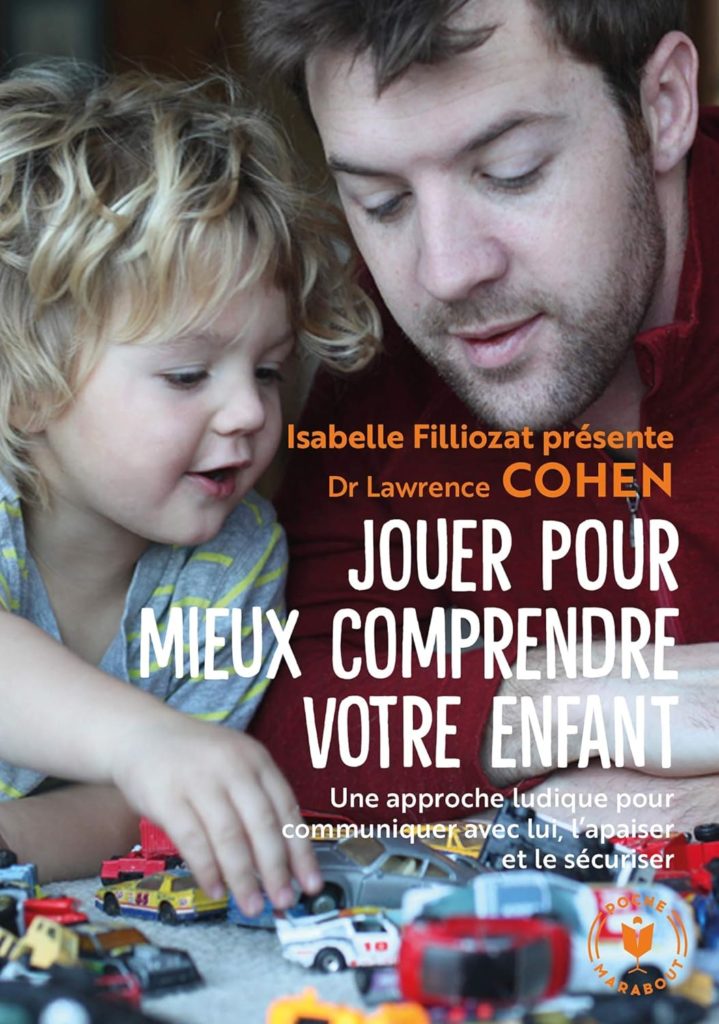
Psychologist Lawrence Cohen, who specializes in emotional and therapeutic play, notes that sibling fights carry such an emotional charge that finding the best way to resolve them is rarely obvious. Underneath the argument sit big questions: am I loved unconditionally, am I unique, do I have any power, will my parents still love me if they love another child?

Many parents assume they have only two options: hand over a ready-made solution or let the children fend for themselves. There is a third way, and it does not require imposing your ideas.
Quick takeaways
- Trust children to find a solution that suits everyone, and stay nearby while they try.
- Ask open questions instead of delivering verdicts or ready-made fixes.
- Offer affection freely, especially when a child has been difficult.
- Protect without hovering, so children feel safe enough to play freely.
- Step back from the details and look at the needs underneath.
- Expect repetition; relational skills grow through practice and repair.
Encourage children and build their confidence in their own abilities
Under frustration, children often fall back on primitive strategies: shouting, hitting, biting, whining. Telling them to sort it out alone before walking away rarely fits the moment, yet stepping in too fast develops neither responsibility nor ethics. The real question is what we want to pass on: finding non-violent solutions because that is the right thing to do, rather than applying outside rules without understanding them.
The middle path is to state plainly that you trust them to find a solution that works for everyone. While they think, stay nearby, encourage them, and hold them back from coming to blows. This kind of steady presence, much like the reassurance described in our sibling bonds, sets the tone before the conflict even starts.
Encourage without stepping on their toes
Asking questions that call on children's intelligence and creativity beats solving the problem for them. Try: "I'm sure you'll work this out. Anyone have an idea?" or "I don't know exactly what to do, but I think a solution exists. Let's think."
Other openers work well: "How will you make sure nobody is left out?" "I'm certain you'll find a way to keep playing without hurting each other." "Everyone is fighting to go first and nobody gets to play. How can each of you get a turn?" "Your brother is really upset. What will you do so he feels better?"
Seeds, not orders
These questions hint at possible solutions without imposing them: nobody left out, everyone safe. Inviting children to solve problems works when they can count on your support and non-judgmental presence. Their solutions tend to be more creative, their apologies more sincere, and their compromises easier for everyone to accept. If your children are far apart in age, matching toys to each stage, as in our baby care, prevents many clashes before they begin. The same patient encouragement helps when children's enthusiasm fades or when explaining multiple pregnancies after IVF.

| Approach | What it teaches | Best used when |
|---|---|---|
| Handing over a solution | Compliance, not reasoning | Rarely; urgent safety only |
| Letting them fend alone | Self-reliance, or escalation | Children already have skills |
| Asking guiding questions | Problem-solving and empathy | Everyday squabbles |
| Staying close and protecting | Safety and trust | Risk of violence or exclusion |
Flood children with affection
Some moments call for tenderness and comfort above all. Don't give up: keep showing your attachment until children are convinced of it. Cohen puts it well: the trouble is that a child who has defied us or made life difficult does not exactly make us want to love them. That is precisely why children dread love running out, and why they adopt clumsy strategies to grab attention and "steal" attachment from whatever else holds our gaze, including a sibling.
Cohen also highlights boys, who get fewer chances to show tenderness. Since hugging friends, holding hands, or saying "I love you" can invite teasing, humiliation, or worse, they turn to poor substitutes: squabbling and name-calling. They fill each other's emotional tanks and tip them over at the same time.
Affection is not a reward for good behavior. It is the foundation children need in order to behave well, and it matters just as much when a new baby arrives and routines shift.
Protect children without over-intruding
Children need to know that their freedom does not allow them to hurt others. Until they can keep themselves and others safe, it is up to us to make sure no one is violent and no one is left out. Adequate protection, without excessive intrusion, does more than prevent serious injuries: it gives children a sense of security.
As Cohen observes, a child who feels there is nothing to fear from peers gets along better with them and plays more freely and happily. Watch for the quieter risks too, such as small objects left within reach of a curious toddler, which is the kind of hazard covered in our safety reminder piece. Choosing age-appropriate items from our best toys guide can reduce these everyday hazards.
Protection also means noticing when a child's body or health needs attention, so that discomfort does not turn into aggression. Our sun safety and similar everyday checks help you stay ahead of the small problems that fuel big moods. Open-ended play, as explored in our best open ended toys guide, also gives children a calm outlet for restless energy.

Take a step back
Sometimes we lose ourselves in details: who did what, to whom, when, and how. Stepping back means looking at the bigger picture, the needs underneath the fight, rather than refereeing every exchange. It also means accepting that not every squabble needs an adult verdict.
When you do need outside perspective, choose it wisely. Reading up on child development, from autism spectrum interaction to general milestones, helps you judge what is normal for the age. And when a second child is on the way, planning ahead, as in our budget for a second child, reduces the pressure that spills into sibling tension.
Keep the long view in mind
Cohen's eight keys share one thread: help children build relational skills rather than simply ending the noise. Encouragement, affection, protection, and a calm step back all teach the same lesson, that conflicts can be solved without violence and without losing love.
Expect repetition. Children learn these skills the way they learn anything else, through practice and repair. Your steady presence, more than any perfect phrase, is what convinces them the relationship is safe.

My hands-on take
In my own home, the phrase that changed the most was simply "I trust you two to figure this out." I used to jump in with a verdict within seconds, and the fight would restart the moment I turned away. When I started staying nearby and asking one open question instead, the arguments got shorter, though not instantly quieter.
What surprised me was the affection part. Offering a hug to the child who had just been the aggressor felt counterintuitive, but it consistently lowered the temperature faster than any lecture. I still get it wrong on tired evenings, and I have learned to treat repair, not perfection, as the goal.
Frequently asked questions
Should I let my children resolve every fight alone?
No. Children need your supportive, non-judgmental presence while they learn. Step back from the details, but stay close enough to keep everyone safe and to encourage them.
What if my child rejects affection after a fight?
Keep offering it gently without forcing contact. Cohen's point is that affection is needed most when a child is least lovable, and persistence eventually convinces them.
Why do boys seem to fight more than girls?
Cohen suggests boys have fewer accepted outlets for tenderness, so they express attachment and hostility together through teasing and squabbling. Offering safe ways to show affection helps.
Do these ideas work for wide age gaps?
Yes, with adjustment. Younger children need more protection and simpler questions, while older ones can handle fuller problem-solving conversations.
Product Reviews
 Best Toys for Dogs With High Prey Drive |
Best Outdoor Toys for 3-4 Year Olds |
Best Outdoor Toys for 6 Year Olds |
Best Harness for Poodle |
Best LEGO Sets for Adults |
Best Travel Toys for 4 Year Olds on Airplane |
Best Toy Stores in Washington DC |
Best Potty Training Toys |
Best Toys for Tripod Dogs |
Maillot equipe de france







