


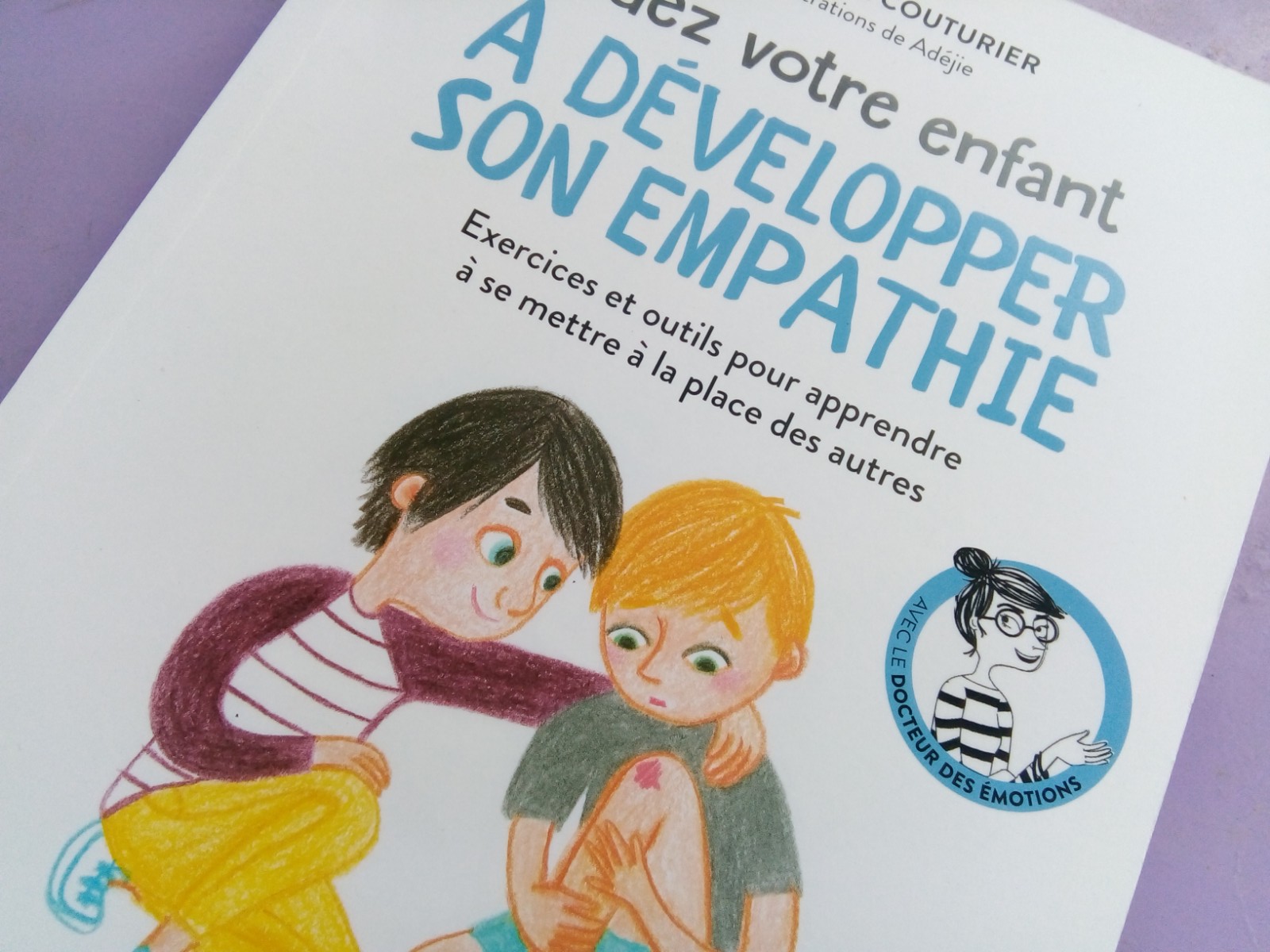
Cultivating empathy in children is one of the most valuable gifts you can offer as a parent or teacher, and it can be done through simple, playful activities. This small activity book by Stéphanie Couturier, a psychomotor therapist who works with children, gathers exercises, resources and games designed to help kids put themselves in someone else's shoes.
The goal is to nurture emotional intelligence, solidarity and mutual help both at home and at school. The book is aimed at children aged 6 and up, and it places empathy and emotional awareness at the heart of everyday life.

Quick takeaways
- Empathy rests on naming emotions, real listening and separating self from other.
- Children become more empathetic when they receive empathy from caring adults.
- Breathing and visualisation help children regulate strong emotions before they escalate.
- Anti-bullying activities like the apples experiment work well in the classroom.
- The friendship tree turns anonymous compliments into a visible, collective project.
- Bach flowers are presented but remain scientifically unproven and optional.
Why Empathy Matters and How It Grows
Stéphanie Couturier opens her book with a clear definition of empathy and reminds readers of its main pillars. These include knowing and naming emotions, truly listening, and distinguishing what belongs to the other person from what belongs to oneself. She also stresses honesty in the intention to understand someone, and the caring wish for another person's wellbeing.
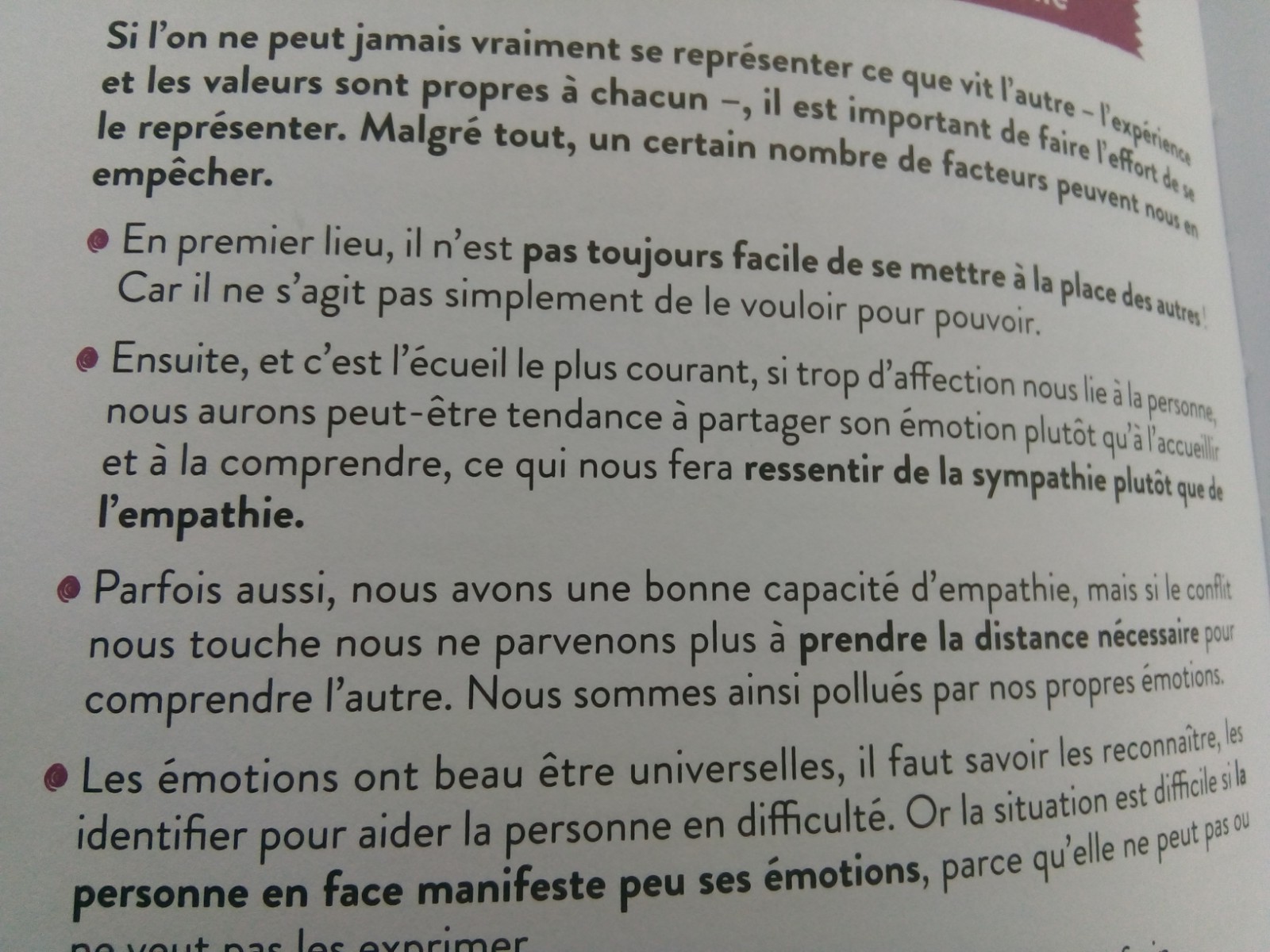
There is a neurological component to empathy, but other factors shape how empathetic a child becomes: the environment, relationships with others and personality all play a role. The more empathy children receive, the more empathetic they become. Before offering activities, adults therefore need to provide an empathetic, caring framework, since a warm and encouraging education at home and at school is the foundation of healthy cognitive and emotional development.
All humans are born empathetic, but certain elements can disrupt this natural empathy. Knowing the emotions and needs of others is not automatically the same as kindness, and compassion can be seen as a later, not always automatic, construction of empathy.
Activities to Name and Regulate Emotions
The exercises begin with activities around emotions: naming them, recognising when they appear, and noticing how they show up in the body, the head and the heart. Children also explore the thoughts each emotion brings. This kind of emotional vocabulary is closely tied to how children learn to express themselves, much like the gradual steps described in how children speak. Just as with learning English through games, repetition and play make new words stick.
Couturier then offers breathing and visualisation exercises to help children regulate strong emotions and prevent anger from turning into violence. These calming tools echo the respectful, non-violent approach explored in why slapping harms, which reminds us that modelling calm matters as much as teaching it. For younger siblings not yet ready for these exercises, simple shared play can already plant the seeds of connection, as with the ideas in building sibling bonds. Parents dealing with common skin complaints along the way can find reassurance in this guide to molluscum in children.
Preventing bullying in class
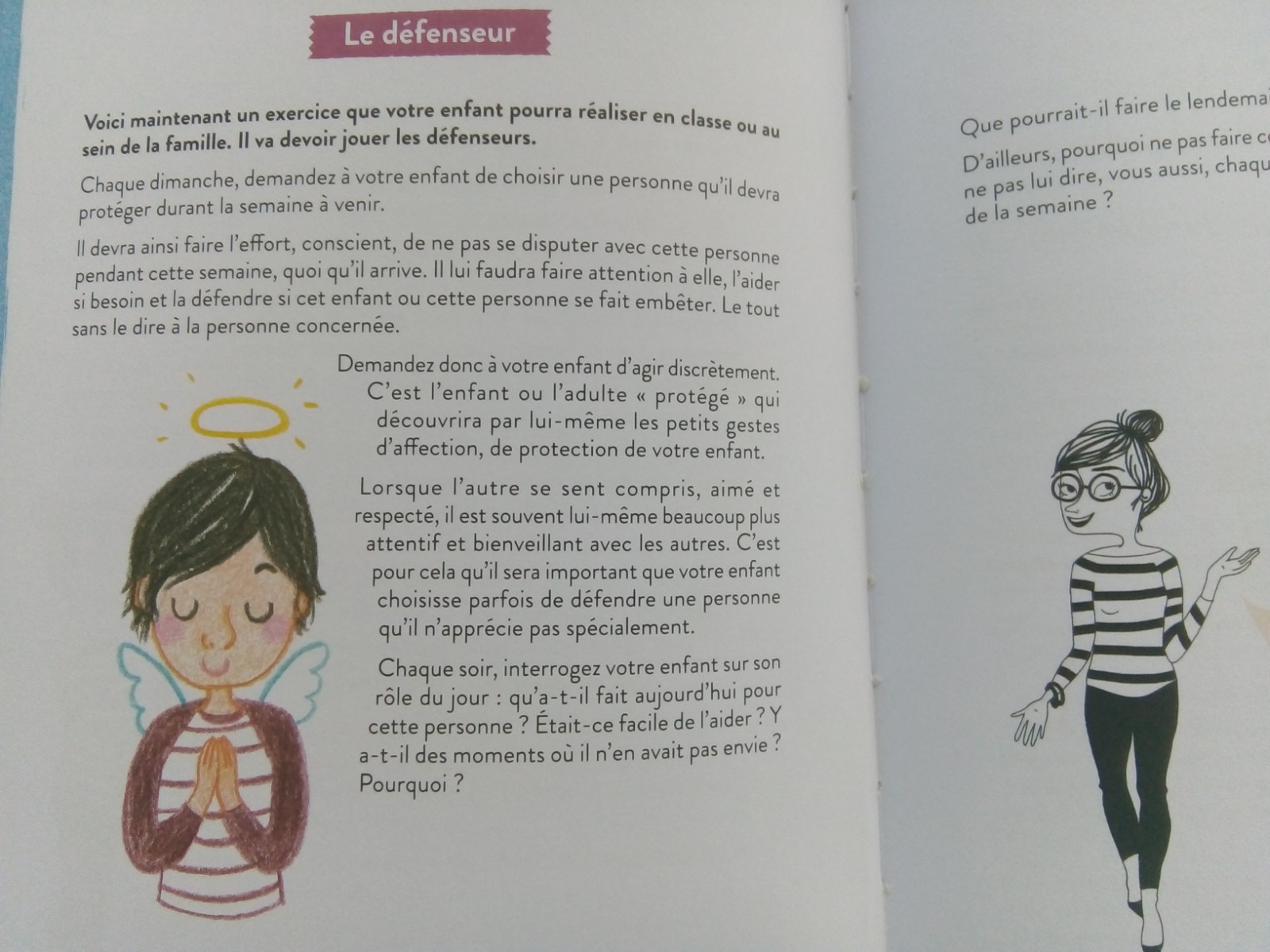
The book also includes anti-bullying activities that fit naturally into the classroom, such as the apples experiment and the invisible watcher. These collective experiences help children feel responsible for the group's wellbeing.
| Activity | Best for | What it develops |
|---|---|---|
| Naming emotions | Ages 6 and up | Emotional vocabulary |
| Breathing and visualisation | Strong emotions | Self-regulation |
| Apples experiment | Classroom groups | Bullying prevention |
| Invisible watcher | Classroom groups | Group responsibility |
| Friendship tree | Home or school | Kindness and solidarity |
Growing Solidarity Through Collective Actions
The activities are rounded out with collective and caring ideas: supporting associations, adopting eco-responsible habits, and helping others selflessly. This wider view connects empathy to real-world action, showing children that caring can extend beyond their immediate circle.
For families who want to mark meaningful moments together, a shared project such as a memory time capsule can become a gentle way to talk about feelings and the people who matter. And when children outgrow certain possessions, passing them on is itself a small lesson in generosity, as explored in reusing old toys.
These group projects also build a sense of belonging and responsibility, which supports the kind of steady emotional growth that parents can encourage from the earliest months, as outlined in guides like this baby care guide. Just as a child's early attachments shape later bonds, shared family actions nurture lasting empathy. Even traveling while pregnant can be planned with care, modeling thoughtful choices for the whole family.
A Caution About Bach Flowers
Because Couturier is trained in Bach flowers, she includes a selection intended to soothe children's emotions: vine for children who tend to lead, beech for those who struggle with failure compared to others, and water violet for children who may show arrogance.
It is important to note that Bach flowers are supposed to restore emotional balance, but this is a method not scientifically proven, widely criticised for its ineffectiveness by the scientific community, and not personally tested here. Treat this section as optional and secondary to the practical, relational activities at the heart of the book.

The Friendship Tree: A Favourite Empathy Activity
One beautiful idea is the friendship tree, which can be set up in class or at home. It draws on the symbolism of a tree rooted in the earth whose leaves touch the sky, give shade, shelter animals, feed other living beings and purify the air, provided the soil is fertile and it receives enough water and light.
Present this metaphor to children by explaining that the tree grows thanks to fertile soil made of positive thoughts, pleasant emotions, acts of sharing, kindness and encouragement. The more the tree benefits from good soil, water and light, the more it flourishes and, in turn, makes others' lives more beautiful.
Draw a tree with bare branches on a large sheet, letting children help create it through drawing, collage or cardboard so they take ownership of the project. Cut small coloured paper strips, ideally leaf-shaped, and place them near the tree. Children then anonymously write the name of a person on one side and a positive thought on the other, such as a thank you, encouragement, a quality or a shared moment, and pin these leaves to the branches.
My hands-on take
I tried the friendship tree with a small group of children at home, and what surprised me most was how seriously they took the anonymous part. They whispered while writing, checked that nobody peeked, and then proudly pinned their leaves. A few days later, I noticed one child quietly telling another about a leaf they had found with their name on it.
What worked best was keeping the tree visible and adding leaves gradually rather than all at once. I also learned to model the exercise myself first, writing a genuine compliment so the children understood the tone. The breathing exercises were less of a hit at first, but once we paired them with a calm corner, they became a small ritual the kids asked for on their own.
Frequently asked questions
What age is this book suitable for?
The activities are designed for children aged 6 and up, though many can be adapted for slightly younger kids with adult guidance.
Do I need special materials?
Most activities use simple supplies like paper, coloured strips, scissors and tape, plus a large sheet for the friendship tree.
Is the Bach flowers section essential?
No. It is an optional addition, and the method is not scientifically proven, so the practical relational activities matter most.
Can these activities be used in class?
Yes, several are designed for groups, including the apples experiment, the invisible watcher and the friendship tree.
Product Reviews
 Best Toys for Dogs With High Prey Drive |
Best Outdoor Toys for 3-4 Year Olds |
Best Outdoor Toys for 6 Year Olds |
Best Harness for Poodle |
Best LEGO Sets for Adults |
Best Travel Toys for 4 Year Olds on Airplane |
Best Toy Stores in Washington DC |
Best Potty Training Toys |
Best Toys for Tripod Dogs |
Maillot equipe de france







