


There is no perfect parent, and that is precisely the point. The way we raise our children is the result of our own personal history, and understanding that history is the first step toward the parent we actually want to be.
Why do conversations about education stir up so much passion? Because beyond theories and methods, there are our wounds, our story and our social and economic context. This article explores those hidden forces and offers practical paths to stop feeling guilty about not getting everything right.

Quick takeaways
- Your parenting style is shaped by your own personal history.
- Children need good enough parents, not perfect ones.
- Healthy guilt keeps you connected; perfectionism disconnects you.
- Buried emotions make your child's feelings harder to handle.
- Asking for help is courage, not incompetence.
- Repairing after a hard moment matters more than never failing.
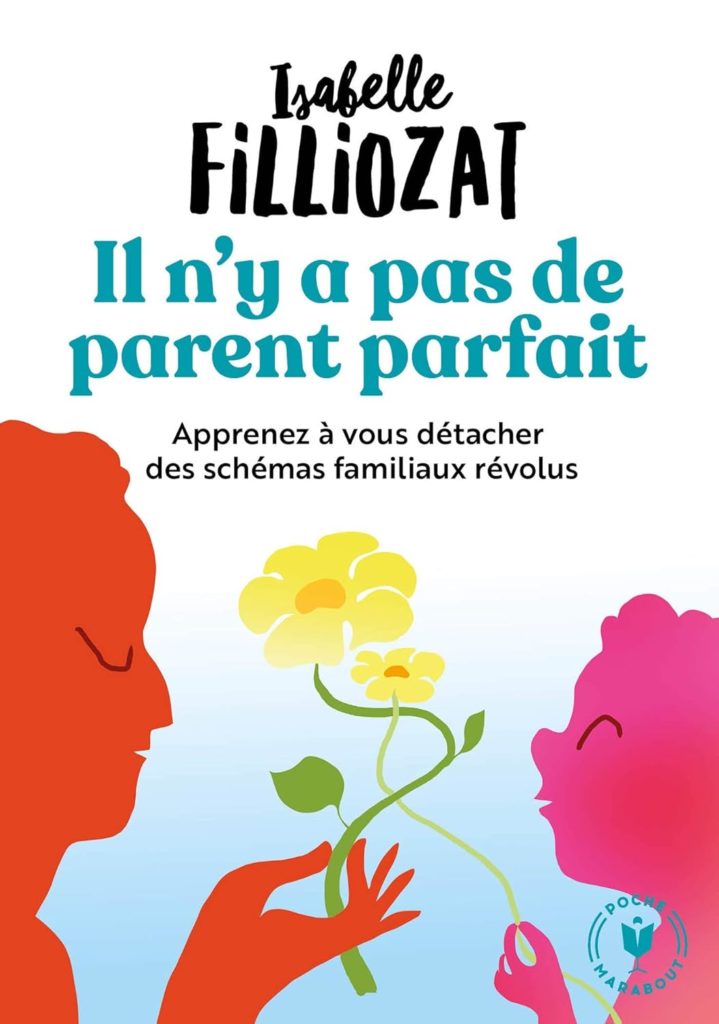
A Pillar Book on Imperfect Parenting
Isabelle Filliozat is a key French-speaking voice in positive parenting, and the order in which her books appeared is telling. She began with personal development, writing about the intelligence of the heart, adult emotions and self-confidence, before moving to parenting and then to everyday education.
Everything unfolds as if gentle parenting were itself a path of personal growth: start with work on yourself, your emotions, your history and your basic trust, before you can offer kindness, patience and emotional support to children. In that sense, this book is a foundational work, much like the early milestones described in first three years. Just as understanding fertility helps parents prepare for the journey ahead, this groundwork shapes the relationship to come.
Filliozat reminds us that wanting to be a perfect parent has never helped anyone. What nourishes us is the child's fulfillment and the quality of the relationship we build. Wanting to be perfect means no longer being in an authentic relationship, a truth that echoes birth experiences that reshape family plans.
Good Enough Parents, Not Perfect Ones
One of the pillars of mindful education is kindness toward yourself. A child does not need perfect parents, Filliozat writes, but parents who are good enough. A child wants to meet not a role but a real person, with emotions, needs, thoughts, values, skills and limits.
She adds that if we felt less guilty, we would try less to appear perfect and could take more responsibility. We cannot always be at our best. When we have not slept much, or are going through a hard period, shouting is human.
Why We Hide Our Struggle
Nobody, and especially not our children, expects perfection. Yet because we carry this demand ourselves, we justify our behavior by calling it educational, and we dare not ask for help, as if it were admitting incompetence. Bringing in a third person would reduce our stress. There is no shame in being helped; the real courage is to stop pretending and dare to ask. The same holds for pregnancy monitoring and for learning to breastfeed on demand: support and realistic expectations beat the pressure to get everything right.
| Situation | Perfection trap | Good enough approach |
|---|---|---|
| A hard morning | Hiding it and pretending all is fine | Naming the difficulty and repairing |
| Child's big emotions | Feeling personally attacked | Staying curious about the need |
| Needing support | Refusing help to look competent | Asking a trusted person for a hand |
| A mistake | Endless guilt and self-blame | Acknowledging it and moving on |
| Daily routines | Rigid rules at any cost | Flexible structure with connection |
The Two Faces of Guilt
Healthy guilt is the kind that keeps us in direct contact with our children rather than with our educational certainties. It is what stops us from hurting others. But when we chase perfection too hard, we can become exasperated at never reaching it, especially if others seem to succeed.
We may then end up resenting the child for blocking our ideal. As Filliozat puts it, all mothers are bad mothers and good mothers at once. The same ambivalence shows up in everyday flashpoints, such as the sibling fights that push our patience to its limit.
Recognizing this inner conflict is not defeat. It is the beginning of honesty, and honesty is what lets us repair after a hard moment rather than pretend it never happened.
Emotions That Pull Parents Apart
Filliozat also reminds us that our unconscious is more powerful than we think. The book dives into the contradictory passions that animate us as parents. Beyond theories and the desire to do things differently, there is our unconscious, marked by wounds and personal history.
Through exercises to do yourself and examples from her therapeutic practice, she helps you discover the reasons behind your reactions, so you can recover freedom of action. If a parent has not looked back at the past, if rages are still buried, the child's emotions can be hard to bear, especially in public. Reading blogs about motherhood can offer reassurance along the way.
Words We Inherited
Our words are either those our parents spoke to us, or those other important figures like brothers and sisters used, or words we once attached to ourselves. Naming this inheritance is the first step toward choosing our own voice, much like choosing a good children's comb requires care.

Reconnecting With Your Own Story
Looking at your history is not about blaming your parents. It is about understanding the automatic reactions that surface when your child cries, refuses or tests limits. That understanding is what turns a reflex into a choice.
Simple practices help: notice the moment your body tightens, name the emotion, and give yourself a pause before responding. This is the same emotional groundwork that supports bedtime routines and calm evenings at home.
Filliozat's exercises invite you to trace where a strong reaction comes from, then to respond to the child in front of you rather than to your own past. Over time, this frees you to parent the way you truly want, with limits that are firm but kind.
Small Shifts That Build Connection
Being a good enough parent is made of small, repeatable gestures rather than grand theories. Repair after a rupture matters more than avoiding every mistake, and children learn from watching us come back and reconnect.
It also helps to lower the pressure around daily tasks. Rewards and routines have their place, but the relationship comes first, whether you are managing homework and rest or simply getting through a busy week.
Finally, remember that asking for support is part of good parenting, not a failure of it. A rested, supported adult is far better able to offer the patience a child needs.

My hands-on take
I remember a evening when everything went wrong: dinner late, toys everywhere, and I shouted over something tiny. For years I would have replayed it all night, convinced I was failing. What changed for me was learning to repair instead of ruminate. The next morning I sat down, said I was sorry for shouting, and explained I had been tired. My child simply nodded and moved on, far faster than I did.
That moment taught me that children are not keeping score of our perfection. They are watching how we come back. Now, when I feel that familiar tightness before a reaction, I try to pause, breathe, and ask myself what is really mine to carry. It is not a fix, but it is a practice, and it has made our home calmer.
Frequently asked questions
Does this mean I should stop trying to improve?
No. Good enough parenting is not giving up; it is dropping the impossible ideal so you can respond to the real child in front of you. Effort stays, guilt loosens.
Why do my child's emotions trigger me so much?
Strong reactions often come from your own unprocessed history. Noticing the trigger and pausing before responding helps you separate your past from your child's present need.
Is asking for help a sign of weakness?
Quite the opposite. Bringing in support reduces your stress and helps you stay patient, which is exactly what children need from the adults around them.
Product Reviews
 Best Toys for Dogs With High Prey Drive |
Best Outdoor Toys for 3-4 Year Olds |
Best Outdoor Toys for 6 Year Olds |
Best Harness for Poodle |
Best LEGO Sets for Adults |
Best Travel Toys for 4 Year Olds on Airplane |
Best Toy Stores in Washington DC |
Best Potty Training Toys |
Best Toys for Tripod Dogs |
Maillot equipe de france







