


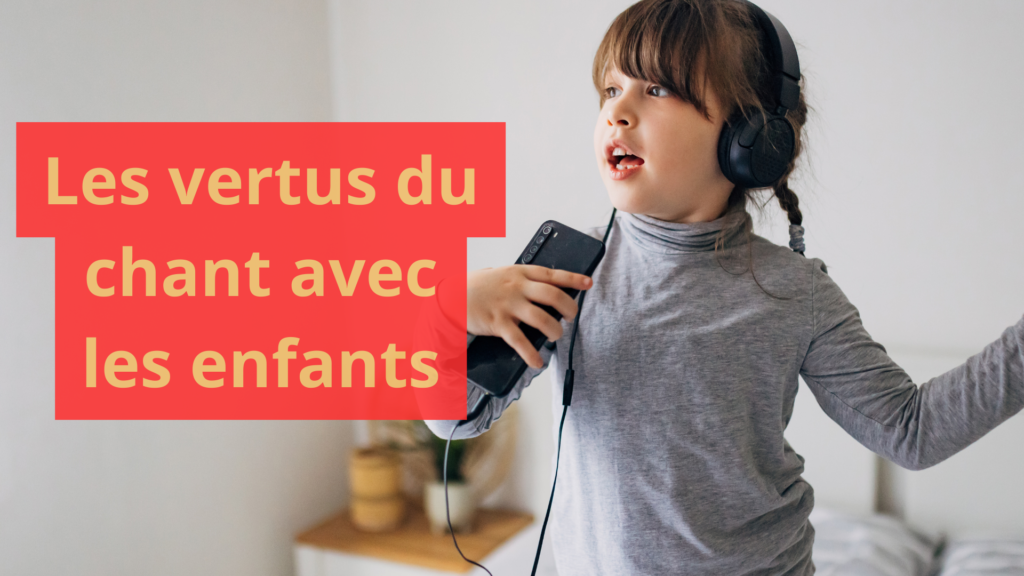
Singing with children is one of the simplest ways to share a genuine moment of connection, and nursery rhymes make it especially easy to turn ordinary parts of the day into little pockets of pleasure and calm.
You do not need a good voice or any musical training. What matters is the shared moment, the repetition and the fun, and there are plenty of small, practical ways to bring more singing into family life.

Below you will find the main benefits of singing together, a handful of playful formats to try, and a few resource ideas to get you started.
Quick takeaways
- Singing defuses tension and replaces shouting with a calmer response
- A special comfort song can ease anxiety and build positive associations
- Singing helps deliver messages like "hurry up" far more effectively
- Rounds, duos and speed games keep singing playful for everyone
- Nursery rhymes and cartoon songs are easiest for young children to learn
- Keep a short list of favourite songs ready for spontaneous moments
Why singing with children is worth the effort
Singing works as a gentle tool for defusing tension. When you feel yourself reaching the end of your patience, singing instead of shouting gives everyone a pause, and you can invite your child to express what is bothering them in song when their voice starts to rise. This kind of small shift fits naturally into a conscious parenting approach, where the adult regulates their own reaction first.
Lullabies show the second benefit clearly: singing calms anxieties. It works even better if you settle on a special "comfort song" tied to happy moments, so that hearing it later brings back those positive associations. Singing can also carry an important message, since asking a child to hurry in a singsong voice lands far better than raising your own.
Finally, singing fills empty time during a car journey or in a waiting room, and it can soothe and redirect attention in a busy shop when other tempting things catch your child's eye.
Simple ways to sing together
There is no single right way to sing as a family. Everyone can sing at the same time, or you can try a round where one person starts and another joins a line later. A duo works well too: you take the verses and your child takes the chorus, or you alternate lines.
You can also split voices by pitch, with one parent singing the higher part and the other the lower, or play with a familiar song by singing it very fast, very slow, very loud or very quiet. The only real rule is to pick songs that are easy to remember and that the whole family enjoys.
Nursery rhymes and cartoon soundtracks are ideal because even the youngest children pick them up quickly, and they let you share a common cultural heritage. Singing together is also good for your health, much like the lesson in this handwashing experiment. If your child is at the age of asserting preferences, this playful spirit pairs well with letting them choose his clothes or other small daily decisions.
| Format | How it works | Good for |
|---|---|---|
| Everyone together | All sing the same song at once | Warming up and having fun |
| Round | One starts, another joins a line later | Listening and turn-taking |
| Duo | You take verses, child takes chorus | Building confidence |
| Split voices | One parent high, one parent low | Exploring pitch |
| Speed play | Same song very fast or very slow | Laughter and focus |
| Quiet play | Same song very loud or very soft | Practising control |
Building a singing routine at home
Singing sticks best when it is tied to predictable moments. A wake-up song, a tidy-up song and a bedtime song give the day a rhythm your child can rely on, and they remove the need for repeated instructions. You can make the routine more playful by adding hand gestures and finger games, which suit toddlers who are not yet speaking much.
For quieter moments, a song can accompany a calm activity such as a cook pumpkin crepes session in the kitchen, where the singing keeps hands busy and spirits light. Older siblings can be given the job of leading a verse, which gives them a sense of importance.
If you are looking for a way to keep the whole family moving, a sing-along during a games in the pool afternoon works surprisingly well, since water and rhythm naturally go together. Just as you might pick up a LEGO GWP set as a small bonus, a simple song can be a little extra that brightens the day. The key is to keep it light and never turn it into a performance test.
Song resources and inspiration
A good starting point is a collection of nursery rhymes with karaoke versions and finger-play songs, since these cover a wide range of ages and moods. Compilations built around a friendly family of characters also help children remember the words quickly.
Many families also enjoy more modern children's music with a bit of energy, the kind of songs that get everyone moving around the living room. Seeing a live outdoor concert can be a wonderful way to inspire a child, and it turns familiar songs into a shared memory.
Whatever you choose, keep a small playlist of favourites ready so you can start singing without thinking. A short list of go-to songs is often more useful than a huge library, and it makes the habit easier to sustain on busy days.

Making singing part of everyday life
Singing does not need a dedicated slot in the schedule. It can happen while putting away toys, during a nappy change or on the walk to the car, and these small repetitions are what build a habit. Children respond to the tone more than the tune, so a cheerful voice is enough.
It also helps to let your child choose the song sometimes, even if it means hearing the same one five times in a row. That repetition is how memory and confidence grow. If you want more ideas for playful connection, a look at children's creativity games can complement the singing nicely. For extra inspiration, these parenting TED Talks are worth watching, and our communication tips pair well with singing together.
Over time, you may find that singing becomes the family's default way of shifting a mood, whether that means calming a fussy baby or lifting the energy before dinner.

My hands-on take
In our house, singing started almost by accident. I was in the middle of a supermarket trip with a tired child and could feel my own patience thinning, so I quietly started a nursery rhyme we both knew. The change was immediate: the whining stopped, my child joined in, and we got through the rest of the shop without a scene.
Since then I have kept a small mental list of songs for different moments, one for tidying up and one for bedtime. I am not a confident singer at all, and it has never mattered. What I have learned is that the sillier and more relaxed I am, the more my child enjoys it, and the more likely we are to do it again the next day.
Frequently asked questions
Do I need to be a good singer to sing with my child?
No. Children respond to your tone and presence far more than to vocal accuracy, so a cheerful, relaxed voice is all you need. The shared moment matters more than the performance.
What if my child only wants the same song over and over?
That is completely normal and actually helpful, because repetition builds memory and confidence. You can gently introduce a new song alongside the favourite rather than replacing it.
When is the best time to use singing to calm a child?
Singing works best when you catch the tension early, before a full meltdown. A familiar comfort song used regularly at happy moments will be more effective when you need it.
Can singing help during errands or travel?
Yes, it is a practical way to pass the time and redirect attention in waiting rooms, cars or shops. A song gives your child something to focus on instead of the tempting items around them.
Product Reviews
 Best Toys for Dogs With High Prey Drive |
Best Outdoor Toys for 3-4 Year Olds |
Best Outdoor Toys for 6 Year Olds |
Best Harness for Poodle |
Best LEGO Sets for Adults |
Best Travel Toys for 4 Year Olds on Airplane |
Best Toy Stores in Washington DC |
Best Potty Training Toys |
Best Toys for Tripod Dogs |
Maillot equipe de france







