


The joy of learning is as indispensable to intelligence as breathing is to a runner. That simple idea sits at the heart of a growing movement in education, and it is worth taking seriously at home as well as at school.
When children stop having fun, they stop learning. Enthusiasm is not a nice extra bolted onto lessons; it is the fuel that keeps curiosity alive. An intelligence that grows in joy tends to keep growing, while one starved of delight slowly shuts down.

This article looks at what that means in practice, from letting go of old assumptions about free children to the small daily habits that keep a love of discovery burning.
Quick takeaways
- Joy is not a reward for learning; it is the condition that makes learning possible.
- Children stop learning when they stop having fun and lose their enthusiasm.
- Free children are not unruly: given trust, they organise themselves and follow their interests.
- Innovative schools show children choosing their own subjects and asking for guidance when needed.
- Parents keep the engine running by offering time, materials and encouragement, not control.
- Protect unstructured, absorbing play so curiosity has room to grow.
Why joy is not a luxury in learning
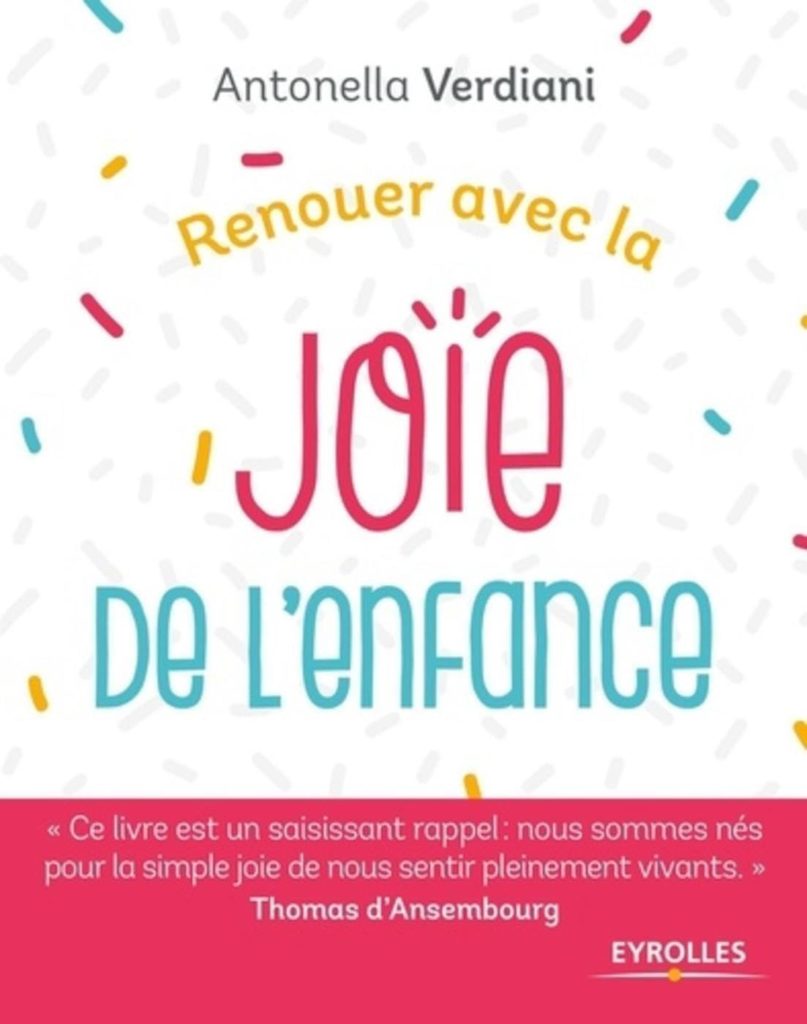
Antonella Verdiani, a doctor in educational sciences, puts it plainly in her book on reconnecting with the joy of childhood: we stop learning when we stop playing, and when enthusiasm runs out. Intelligence, she argues, grows in joy. That is not sentimental talk. A child who is absorbed and amused is a child who keeps asking, testing and refining ideas.
Think of the runner and the breath. Nobody runs far while holding their breath, and no child learns deeply while holding back their natural curiosity. Joy is the rhythm that makes sustained effort possible, the reason a difficult task feels worth returning to.
This is also why the mood around learning matters so much. A tense, fearful atmosphere narrows attention, while a warm and playful one widens it. If you want to understand how heavy-handed discipline can shut a child down, it is worth reading about why slapping harms and what it does to trust. The same care applies to health, as explained in our guide to childhood encephalitis.
Letting go of old ideas about free children
Reasoning in terms of freedom and the joy of learning means accepting that we have to shed some received ideas. Many adults still assume that free children do whatever they like, damage materials, turn violent or learn nothing at all. Verdiani invites us to examine those assumptions rather than repeat them, and these TED Talks offer a helpful starting point.
In reality, the picture is far more encouraging. Free children are not wild children; they are children whose energy has somewhere to go. The assumptions we carry often say more about our own schooling than about what children actually need.
Parents can test this at home in small ways. Give a child real choices about what to build, read or explore, and watch how differently they engage compared with a task imposed from above. The same principle explains why open-ended sensory toys for toddlers hold attention so well: there is no single right answer, so the child keeps experimenting. The same holds for simple party favor toys, which invite open-ended play.

| Approach | What it looks like | Effect on the child |
|---|---|---|
| Controlling | Adult decides every task and corrects constantly | Child waits for instructions, loses initiative |
| Guiding | Adult offers choices and helps when asked | Child experiments and builds confidence |
| Free play | Unstructured time with open-ended materials | Child self-directs and stays absorbed |
| Interest-led learning | Child picks the topic, adult supports it | Enthusiasm lasts longer and goes deeper |
| Shame-free mistakes | Errors treated as information, not failure | Child keeps trying instead of giving up |
What innovative schools are showing us
Around the world, a recent flowering of innovative educational experiments points in the same direction. In these schools, children who are free to organise themselves often do exactly that, and some even educate themselves. They choose subjects that follow their own interests and ask the teacher for advice when they need it.
Over time, this leads them toward the highest expression of their potential. The teacher's role shifts from delivering content to guiding, suggesting and stepping back. It is a demanding role, but a far more rewarding one than policing silence.
Something similar happens with unstructured play at home. A simple, absorbing object can keep a child busy for an hour of self-directed discovery, which is why good learning toys for two year are chosen for what they invite rather than what they instruct. The child is the one doing the thinking, and that is the point.
Building enthusiasm into everyday family life
You do not need a radical school to bring more joy into learning. Start with interest: notice what your child gravitates toward and feed it, whether that is animals, machines, drawing or the natural world. A child who keeps birds, for instance, learns patience and observation without a single worksheet, as this piece on children growing with birds shows.
Next, protect unstructured time. Screens are not evil, but they can crowd out the slower, messier play where real enthusiasm is born. That is part of the reasoning behind choosing screen free toys for kids that reward curiosity instead of passive consumption. Thoughtful picks like the best STEM toys can also spark hands-on discovery, and our guide to the best toys for 5 year offers more ideas for curious minds.
Finally, let children make mistakes without shame. A puzzle solved after three wrong attempts teaches more than one solved instantly. The same forgiving spirit applies to how we handle accidents and mishaps, and it is why a calm response to a broken toy or a spilled drink matters more than the object itself.
The parent's role: guide, don't control
If joy is the engine, the adult's job is to keep the engine fuelled rather than to drive. That means offering materials, time and encouragement, then resisting the urge to correct every move. Children who feel trusted tend to rise to that trust.
It also means modelling enthusiasm yourself. A parent who is visibly curious about how something works, who wonders aloud and looks things up, teaches more than any lecture. Children copy the spirit of the adults around them far more than their instructions.
Keep an eye on the balance, too. A child who is always told what to do next gradually stops initiating. A child who is given room to choose, and gentle help when stuck, keeps the habit of reaching for the next challenge on their own.
Small shifts that make a real difference
None of this requires a complete overhaul of family life. It is a matter of small, consistent shifts: fewer commands, more questions; less correction, more curiosity; a bit more space and a bit less schedule.
The reward is a child who still finds learning exciting years from now, and who knows how to organise themselves when nobody is watching. That is what the joy of learning ultimately protects: the inner drive that no test can measure and no adult can force.

My hands-on take
I learned this the slow way. For a while I planned every afternoon activity, sat beside my child and corrected each step, convinced I was being helpful. The result was a child who kept glancing at me for approval and lost interest within minutes. It was exhausting for both of us.
Then I tried something simpler. I put out a few open-ended things, said nothing about how to use them, and left the room. The difference was striking: the same child who had been restless stayed absorbed for a long stretch, talking to themselves about what they were building. Since then I have tried to ask more and instruct less, and to treat mistakes as part of the fun. It is not always easy, but the enthusiasm it unlocks is worth far more than my neat plans.
Frequently asked questions
Does letting children be free mean they will do nothing?
No. In practice, children given real freedom tend to organise themselves and choose activities that interest them. The key is having materials, time and a trusted adult nearby.
How can I bring more joy into learning at home?
Follow your child's interests, protect unstructured play time and respond calmly to mistakes. Small choices about what to explore make a big difference to engagement.
Is enthusiasm really more important than discipline?
They work together. Warm guidance keeps motivation alive, while constant correction drains it. A child who enjoys a task will usually put in more sustained effort.
What if my child loses interest quickly?
Often this signals a task that is too controlled or too easy. Offer more open-ended options and let your child lead, then step back and observe.
Product Reviews
 Best Toys for Dogs With High Prey Drive |
Best Outdoor Toys for 3-4 Year Olds |
Best Outdoor Toys for 6 Year Olds |
Best Harness for Poodle |
Best LEGO Sets for Adults |
Best Travel Toys for 4 Year Olds on Airplane |
Best Toy Stores in Washington DC |
Best Potty Training Toys |
Best Toys for Tripod Dogs |
Maillot equipe de france







