


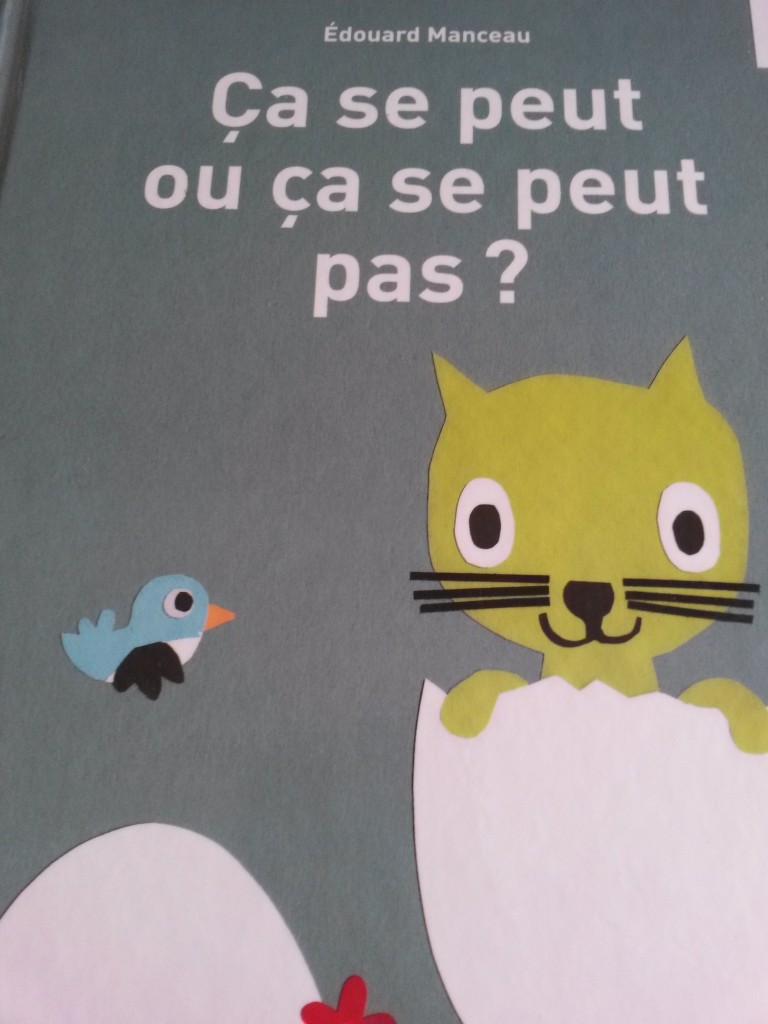
Ça se peut ou ça se peut pas is a simple picture book game that asks one delightfully silly question on every spread, and it quickly became a favourite in our house. The book by Édouard Manceau, published by Milan, pairs bright, colourful illustrations with a single funny sentence and the recurring question: could this really happen, or not?
What starts as a read-aloud turns into a conversation, then a drawing session, then a homemade book. It is one of those rare activities that works for a wide age range with almost no preparation.

Quick takeaways
- Read one spread, then ask the question and let your child answer first.
- Invent new “could it happen?” sentences together and write them down.
- Illustrate each sentence and bind the pages into a homemade book.
- Use follow-up questions to turn a yes or no into a story.
- Keep a notebook handy so ideas are captured before they vanish.
- Adapt the difficulty to your child’s age and attention span.
How the book works
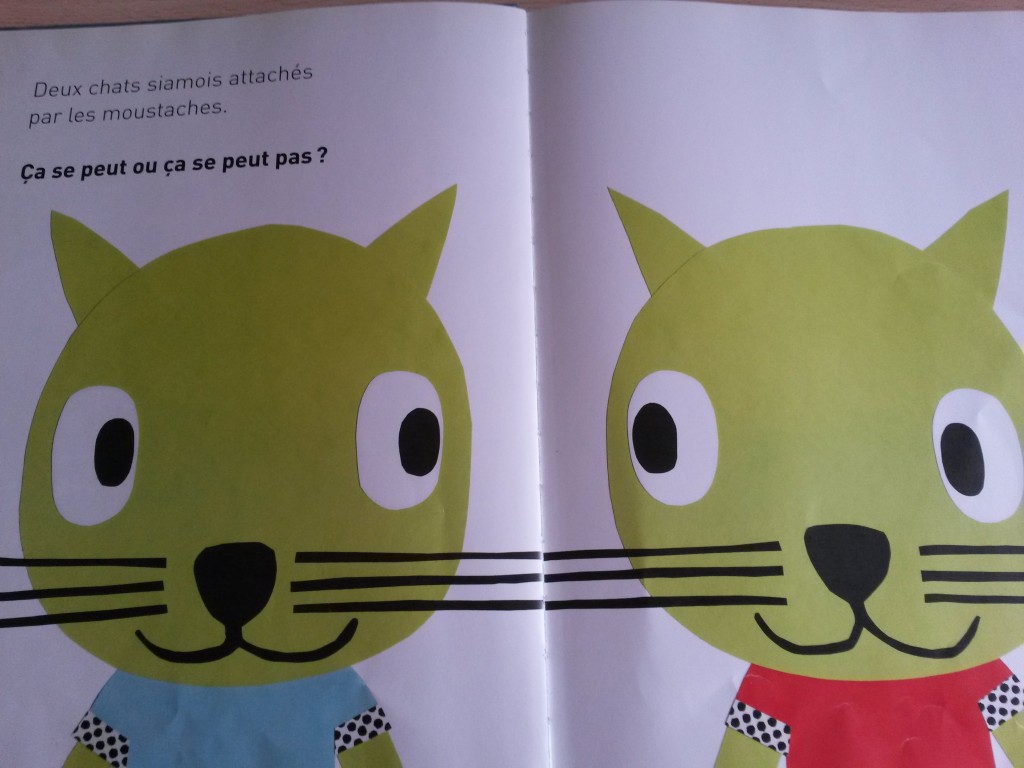
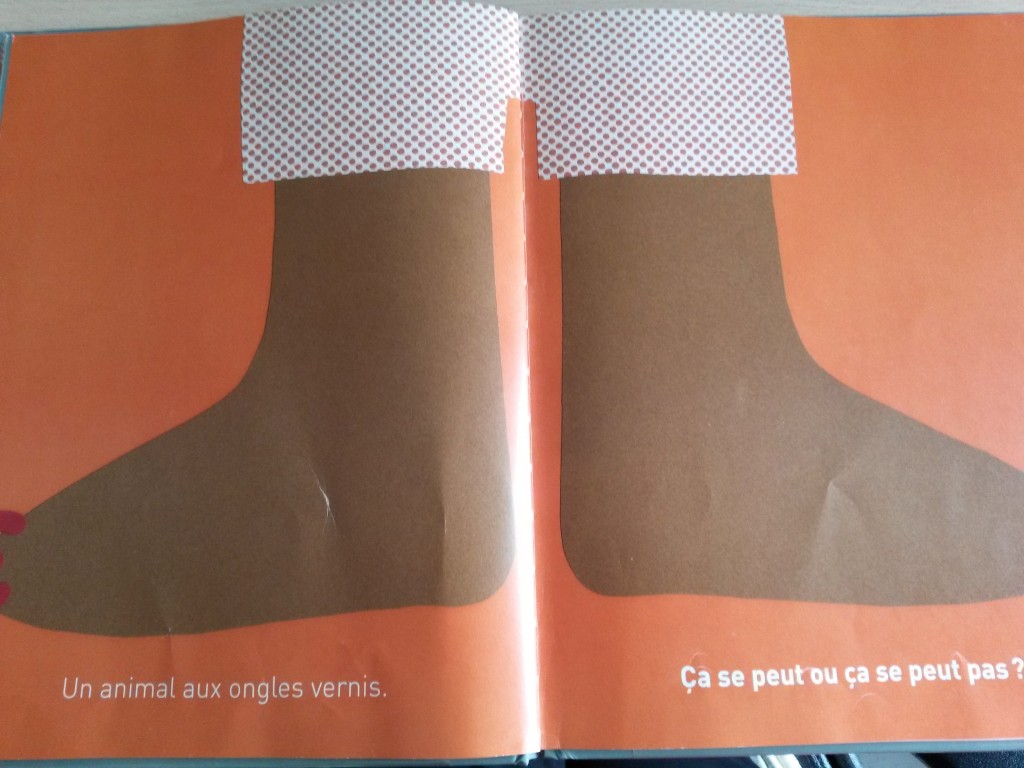
Each double page presents one absurd scenario alongside lively illustrations and the same teasing question. Two Siamese cats tied together by their whiskers: could that happen, or not? An animal with painted nails: could that happen, or not? The format is deliberately repetitive, which is exactly what makes it so easy to play along.
The humour is packed into every sentence and the imagination runs wild. Children get to decide whether the thing exists, picture what it would look like in real life, and describe the pictures in their own words. If you want to build a wider habit of playful learning at home, the same spirit of curiosity shows up in learning toys and open-ended play. For more seasonal inspiration, see how children prepare for Santa's visit.
Why the repetition matters
The repeated question gives even young children a predictable structure to lean on, so they feel confident enough to take creative risks with their answers. It also pairs well with big adventures like these 20 things before you are older.
Our favourite twist: inventing new lines
The best part of the game is making up brand-new sentences. Rain made of gherkins: could that happen, or not? A bed that gives kisses to the wardrobe: could that happen, or not? A mouse marrying a rhinoceros: could that happen, or not? The stranger the idea, the better the laughter.
For younger children, write the sentences down as an adult-led dictation while they dictate and you scribe. Then illustrate each one with drawings. You can staple or bind the pages into a homemade, personalised book the child is genuinely proud of.
This kind of open, silly play supports imagination, creativity, divergent thinking and a sense of humour. It also pairs well with rainy day activities and screen-free fun, much like the ideas in screen free toys for older kids who want to keep creating. Budding builders may even wonder what master builders earn.
| Step | What you do | What it builds |
|---|---|---|
| Read a spread | Ask the question aloud | Listening and attention |
| Discuss | Describe the picture together | Vocabulary and reasoning |
| Invent | Make up new silly sentences | Imagination and humour |
| Write | Scribe for younger children | Early literacy |
| Illustrate | Draw each idea | Creativity and fine motor skills |
| Bind | Staple pages into a book | Pride and ownership |
Building language and thinking skills
Asking “could that happen or not?” invites children to reason, compare and justify. They practise vocabulary as they describe the pictures, and they learn to hold an idea in mind long enough to explain it. That is real thinking dressed up as a game.
You can stretch the activity by asking follow-up questions: what would it eat, where would it live, what would happen next? These prompts nudge children from a quick yes or no into fuller storytelling. The same gradual, patient approach to development is echoed in my son's brain and how children build understanding over time.
Adapting for different ages
Toddlers can simply point and giggle, while older children can write their own sentences and defend their answers.
Making it a family routine
This game fits neatly into a quiet afternoon, a rainy day or a bedtime wind-down. Keep a small notebook and a few pencils nearby so an idea can be captured the moment it appears. Over time the notebook becomes a record of your child’s humour and imagination.
Inviting siblings or friends turns it into a shared project, with each person contributing a page. Group activities like these build cooperation and turn-taking just as much as solo play does, and they sit comfortably alongside other social learning, such as how children interact with a peer who sees the world a little differently.
You can also theme the sentences around whatever your child currently loves, from animals to vehicles, to keep the game fresh.
Where to find the book and what to pair it with
The book is widely available in libraries, bookshops and online retailers, so it is easy to borrow before you commit to buying. Pair it with plain paper, coloured pencils and a stapler, and you have a complete activity kit.
If your child enjoys the animal-based silliness, you might extend the theme with pets and nature at home, much like the experience of growing up with birds or the gentle routines described in midwifery classes for water-loving babies. The point is not the book itself but the habit of asking playful questions together.
Keep the tone light, follow your child’s lead, and let the absurd ideas run as far as they want to go.

My hands-on take
I first tried this with my own child on a grey afternoon when we had run out of things to do. We read a couple of spreads, laughed at the whisker-tied cats, and then she started firing off her own ideas faster than I could write them down. I scribbled each one in a cheap notebook, and she drew a picture beside every sentence.
By the end of the week we had a wobbly little stapled booklet that she showed to everyone who visited. What surprised me most was how the game kept going on its own: she would bring me a new sentence at breakfast, or ask a friend to add a page. It cost nothing, needed no screen, and gave us a shared ritual I still keep in a drawer.
Frequently asked questions
What age is this game suitable for?
It works across a wide range, from toddlers who simply point and laugh to older children who write and illustrate their own sentences. You adapt the level of support to the child.
Do I need the book to play?
No. The book is a lovely starting point, but the core of the game is inventing your own “could it happen?” questions and answering them together.
How long does a session last?
As long as your child stays engaged. Some days that is a few minutes, other days it grows into a full drawing and bookbinding project.
What materials do I need?
Paper, pencils or crayons, and something to bind the pages, such as a stapler. A notebook for capturing ideas is useful too.
Product Reviews
 Best Toys for Dogs With High Prey Drive |
Best Outdoor Toys for 3-4 Year Olds |
Best Outdoor Toys for 6 Year Olds |
Best Harness for Poodle |
Best LEGO Sets for Adults |
Best Travel Toys for 4 Year Olds on Airplane |
Best Toy Stores in Washington DC |
Best Potty Training Toys |
Best Toys for Tripod Dogs |
Maillot equipe de france







