


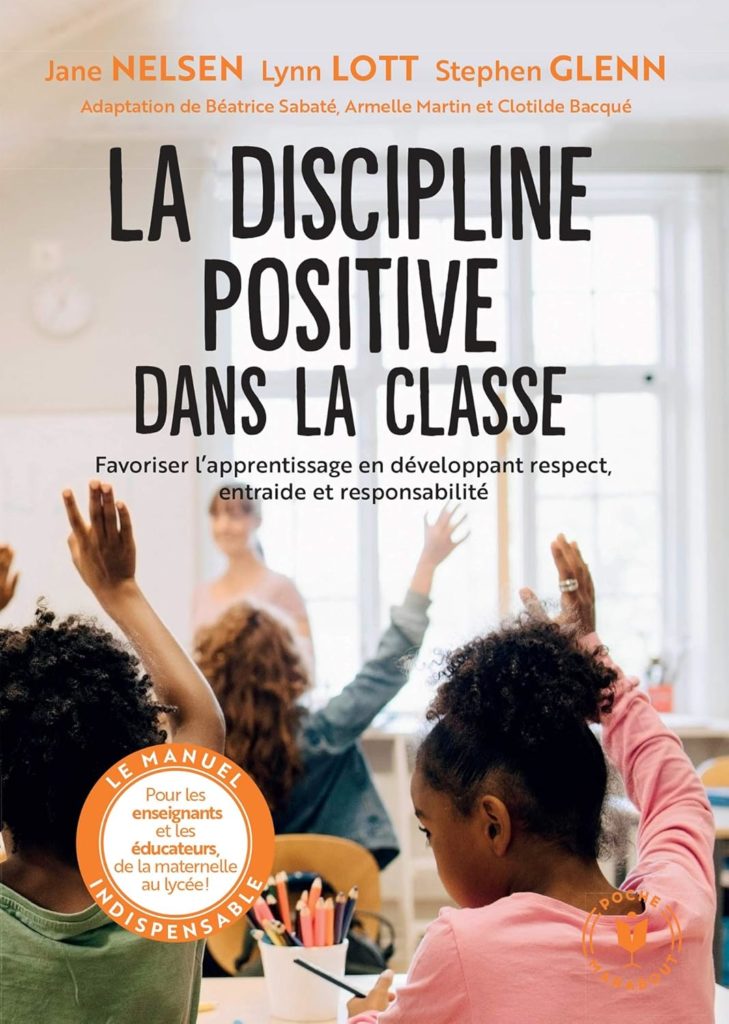
Building an empathetic classroom starts with one simple belief: pupils who feel genuinely cared for are free to learn. In their book on positive discipline in the classroom, Jane Nelsen and Lynn Lott point out that most teachers do care about their students, yet students do not always realise it. The strategies teachers use to meet their own needs, such as respect, order or a sense of purpose, do not automatically create connection.
Nelsen and Lott therefore invite teachers to build a warm, empathetic relationship with their class and to make pupils certain that someone truly cares about them. That means treating mistakes as learning opportunities, trusting pupils to contribute, listening seriously to their thoughts and feelings, involving them in decisions, and helping them understand the consequences of their choices in a threat-free environment.

Quick takeaways
- Pupils who feel genuinely cared for are free to learn and want to cooperate.
- Tone of voice, posture and word choice carry as much as the message itself.
- Validate emotions verbally and non-verbally, so children feel taken seriously.
- Use trips and shared experiences to bond pupils and see them differently.
- A visible talent wall lets pupils recognise and draw on each other’s strengths.
- Gentle humour builds connection; sarcasm and constant seriousness do not.
Why a warm classroom climate matters
As Nelsen puts it, when students feel appreciated they want to cooperate rather than misbehave. When they no longer need to act out to attract attention and feel their own worth, they are free to learn. This is the quiet engine behind everything else: connection comes first, and cooperation follows.
The same principle underpins how we talk with children at home, and the effective communication habits parents build carry straight into school life. Teachers who model warmth show pupils how to treat one another, so empathy becomes part of the classroom culture rather than a rule posted on the wall.
Modulate your tone of voice to convey warmth
Nelsen and Lott stress the importance of non-verbal communication, especially tone of voice: volume, harshness, and a closed body posture that accompanies the words. They also highlight the words themselves, since shouting, criticism, humiliation and denying emotions all undermine connection.
A calm, steady voice tells a pupil “I am on your side” even when you are correcting behaviour. Try lowering your volume instead of raising it, and pair the words with open posture and eye contact. Small adjustments like these cost nothing and change how a message lands.
For younger children, the same warmth can be carried through play, and the ideas in foam block toys show how shared, hands-on activity naturally invites cooperative talk between pupils. The same principle of keeping a child warm without fuss shows how small, thoughtful adjustments help children feel secure.

| Practice | What it looks like | Why it helps |
|---|---|---|
| Warm tone of voice | Calm volume, open posture, no humiliation | Pupils feel safe and respected |
| Validating emotions | Listening, a glance, a gesture, an empathy mascot | Children feel seen and taken seriously |
| Shared experiences | School trips and outings | Bonds pupils and lets teachers know them better |
| Talent wall | A4 sheets of skills displayed in class | Builds confidence and mutual help |
| Gentle humour | Laughing at situations, never at a child | Defuses tension and makes class human |
Listen, welcome and validate pupils’ emotions
Students appreciate teachers who respect them, listen to them and show joy in their work. Nelsen and Lott share an anecdote about an American teacher, Mr Rasmussen, who introduced a teddy bear as the class “empathy bear”. He told pupils that anyone feeling discouraged could come and get the bear to feel better.
During the year, pupils would often come to his desk and say “I need the empathy bear”, a kind of coded message meaning “I need to be listened to and taken seriously”. Sometimes, noticing a pupil was struggling, he would send the mascot across the room, a symbolic way of saying “I care about you; I cannot stop right now, but I care”.
Validation without words
As the authors note, validating emotions can happen through dialogue but also non-verbally, in a shared glance, a gesture or even a plush toy sent across the classroom. The point is that the child feels seen and taken into account.
Use school trips to build connection and community
Teachers can treat school outings as good opportunities to generate positive emotions with pupils. The trip itself can be fun and enjoyable, but it is also a way for pupils to bond with each other and for teachers to get to know them from another angle, outside the classroom.
These are chances to celebrate the joy of learning, of being together and of living educational adventures. A shared walk, museum visit or outdoor day gives quieter pupils a natural opening to talk, and gives the group a common memory to return to.
Planning a family outing works the same way, and ideas like holidays to Ireland with children show how shared experiences strengthen bonds long after the day ends. The same care applies to everyday choices, from choosing nipple creams to helping children with healthy hair growth.
Identify and celebrate each pupil’s qualities
Each year, in a small Paris school, a final-year primary teacher asks pupils at the start of term to prepare an A4 sheet presenting what they love and what they can do: skills in hip-hop, skateboarding, maths, poetry or anything else. The sheets go up on a classroom wall to form what she calls the “talent wall”, so pupils can draw on one another’s resources when needed.
During the year, pupils also choose a skill they would like to develop and reflect on strategies to cultivate it themselves, for example by getting closer to classmates who already have it and observing how they work.
Celebrating strengths in this visible way builds confidence, and the same spirit of discovery appears in stories and books that introduce children to art and to one another’s worlds.
Use humour, not sarcasm, to create empathy
Teachers sometimes forget to see the humorous side of situations with their pupils. Contrary to what new teachers are sometimes taught, it is good not to be serious all the time. The point is not sarcasm, which wounds, but gentle humour that defuses tension and makes the classroom feel human.
Laughter shared at the right moment signals that mistakes are safe and that the teacher is approachable. Keep the joke aimed at the situation, never at a child, and let pupils see you laugh at yourself now and then.
Playful connection carries into the home too, and the playful spirit behind Easter basket toys for toddlers reminds us that fun is a legitimate way to build trust with young children. The same patience applies when teaching a child a bike.

My hands-on take
I have tried the empathy-object idea in a much simpler form: a small cushion on my desk that any child can quietly pick up when they need a moment. What struck me was how rarely it was used for attention-seeking and how often it opened a short, honest conversation later in the day. It gave quieter children a way to signal something was wrong without having to say it out loud in front of everyone.
The talent wall was messier but worth it. I asked each child for one thing they were good at, and the range surprised me: card tricks, baking, remembering football scores. Once those sheets were up, I found myself referring to them during group work, and the children started doing the same. None of it required extra budget, just a wall and a little class time.
Frequently asked questions
What does an empathetic classroom actually mean?
It means pupils are certain their teacher genuinely cares about them, so they cooperate rather than act out to gain attention. Warmth, listening and trust come before correction.
How can a teacher validate emotions without a long conversation?
A shared glance, a gesture or a symbolic object such as a class mascot can say “I care about you” when there is no time to talk. The child simply needs to feel taken into account.
Is humour appropriate in class?
Yes, gentle humour that targets the situation rather than the child helps defuse tension and shows the teacher is approachable. Sarcasm and constant seriousness work against connection.
Why display pupils’ talents on a wall?
It makes each child’s strengths visible and gives classmates a resource to draw on. Pupils also learn to identify a skill they want to develop and how to work on it.
Product Reviews
 Best Toys for Dogs With High Prey Drive |
Best Outdoor Toys for 3-4 Year Olds |
Best Outdoor Toys for 6 Year Olds |
Best Harness for Poodle |
Best LEGO Sets for Adults |
Best Travel Toys for 4 Year Olds on Airplane |
Best Toy Stores in Washington DC |
Best Potty Training Toys |
Best Toys for Tripod Dogs |
Maillot equipe de france







