


A travel journal for kids is one of the simplest ways to keep a holiday alive long after you get home. Whether you go far away or just a few hours from home, children love having a place to note the good moments spent together, photograph the places they visit, draw what they saw and describe what they ate.
It is also a chance to write, colour, cut, glue, take photos, gather little souvenirs and lay out pages, so nothing is forgotten when school starts again. A holiday memory book lets your child read, write and think while having fun during the break.

Quick takeaways
- A travel journal turns a holiday into writing, drawing and collecting fun.
- It builds observation, creativity and a personal record of the trip.
- Make one from a simple notebook or buy a ready-made version with envelopes and maps.
- Record small things: tickets, leaves, sketches and short daily notes.
- Leave blank spaces for photos to glue in later.
- Use the journal as a support for language immersion trips.
Why keep a travel journal for kids?
A travel journal gives children a personal, intimate record of the discoveries and encounters made during a trip. It lets them write without feeling like they are doing homework, and it exercises their sense of observation as they look for details worth capturing.
Keeping a journal also helps children live fully in the present moment, noticing every colour, smell, detail, trace and emotion. It develops creativity, and later it wakes up memories that would otherwise fade on the way home. If your child enjoys calm, focused activities, this pairs well with the kind of quiet play you get from Montessori climbing toys and other hands-on favourites.
A memory that lasts
I still remember my own travel journal from a school trip to Italy in my third year of secondary school. I glued in coins, drew the Colosseum, bought an extra postcard to stick inside, left blank spaces for photos with friends, asked everyone to write a little note, and kept the entrance ticket to Pompeii. I still remember it years later.
How to make a holiday memory book
You have two options. You can make one yourselves, ideally with your children: a small shop-bought notebook, or even a few A4 sheets folded in half and stapled down the middle, will do the job.
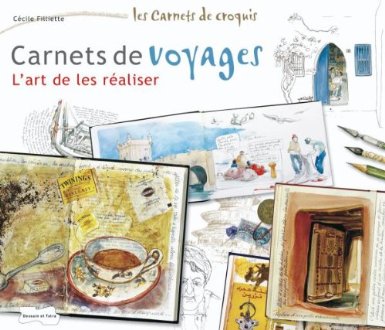
Or you can buy a ready-made travel journal for children. Some are thoughtfully designed with clear envelopes for slipping in sand, seeds or other small treasures, maps to locate the places visited, and stickers to brighten and personalise the pages. A guide such as Carnet de voyages, l'art de les réaliser (Dessain et Tolra) is a helpful reference.
Choosing your supplies
Think about what your child likes to collect and pick materials to match. A sturdy cover, a few glue sticks and a small pouch for found objects cover most needs. If you are travelling with a baby or toddler in tow, keep the journal kit light so it does not compete with the outdoor toys you are already packing. For a rainy-day alternative, try Christmas nougat recipes to fill the pages with festive memories.

| Feature | Homemade notebook | Ready-made journal |
|---|---|---|
| Cost | Low | Varies |
| Personalisation | High | Medium |
| Envelopes for treasures | Add your own | Often included |
| Maps and stickers | Not included | Sometimes included |
| Best for | Crafty families | Quick setup |
What to put inside the journal
Encourage your child to record the small things: a ticket, a leaf, a wrapper, a sketch of the view from the window. Writing a sentence or two about each day is enough, and drawing can fill the rest. Photos printed later can be glued into spaces left blank on purpose.
Ask friends and family to write a short note inside, and let your child decorate the cover. The goal is not a perfect scrapbook but a lively, messy record that feels like theirs. Children who like building and designing often take to page layout quickly, much like they do with foam block toys when constructing something of their own.
Keeping it going
Set aside a few minutes each evening rather than saving it all for the end. A short daily ritual keeps momentum, and a small prompt such as "the funniest thing today" helps reluctant writers start.
Travel journals and language immersion
You can already hear your children saying: "I'll talk about that in my travel journal tonight." That enthusiasm is worth nurturing, because the habit of writing a little each day builds confidence without pressure.
A journal is also useful and pleasant during a cultural or language immersion trip abroad. Your child can use it as a support to talk with you about the memories formed while away from you, and to note new words and expressions they picked up. Pair it with a few board games for rainy evenings and the whole family stays engaged.
For children who feel shy about writing, drawing first and labelling later works well. The journal becomes a bridge between what they experienced and what they can share.
Practical tips for parents
Keep expectations low and let the child lead. A journal with a few scribbles and one glued ticket is a success. Bring a small pencil case with glue, scissors and tape so the habit is easy to maintain wherever you are, and consider primary school notebooks that are sturdy enough for everyday use.
If you are travelling somewhere sunny, remember sun protection for outdoor journaling sessions, and check guidance on sunburns in children before long afternoons outside. For families planning a bigger trip, it helps to look at practical matters such as sports during pregnancy if a new baby is on the way, or simply to plan rest days.
Finally, let siblings work side by side without comparing pages. Each journal should reflect its owner, and the pleasure of making it matters more than the result. Small party favor toys can also be tucked into the pencil case as a fun reward for finishing a page.

My hands-on take
I have made these journals with children on several trips, and the lesson I keep relearning is that less structure works better. The first time, I planned sections for every day and printed prompts, and the notebook stayed mostly empty. The next time, we just packed a cheap notebook, a glue stick and a small envelope for treasures, and the pages filled themselves.
What surprised me most was which details got recorded: not the famous sights, but a bus ticket, a strange leaf and a drawing of a cat outside a cafe. Leaving blank pages for later photos was the single best decision, because it gave the journal a second life once we were home. My advice is to keep the kit small, let the child own the pages, and resist the urge to tidy anything up.
Frequently asked questions
What age can a child start a travel journal?
Children can start as soon as they can hold a crayon, with drawing standing in for writing. An adult can add labels and short notes alongside.
Do we need special supplies?
No. A notebook, glue, scissors and a pencil cover most of it. A small pouch for found objects is a nice extra.
What if my child loses interest?
Keep sessions short and let them choose what to record. A single drawing or ticket per day is enough to keep the habit alive.
Can a travel journal help with language learning?
Yes. On an immersion trip, children can note new words and use the journal to talk about their memories with you.
Product Reviews
 Best Toys for Dogs With High Prey Drive |
Best Outdoor Toys for 3-4 Year Olds |
Best Outdoor Toys for 6 Year Olds |
Best Harness for Poodle |
Best LEGO Sets for Adults |
Best Travel Toys for 4 Year Olds on Airplane |
Best Toy Stores in Washington DC |
Best Potty Training Toys |
Best Toys for Tripod Dogs |
Maillot equipe de france







