


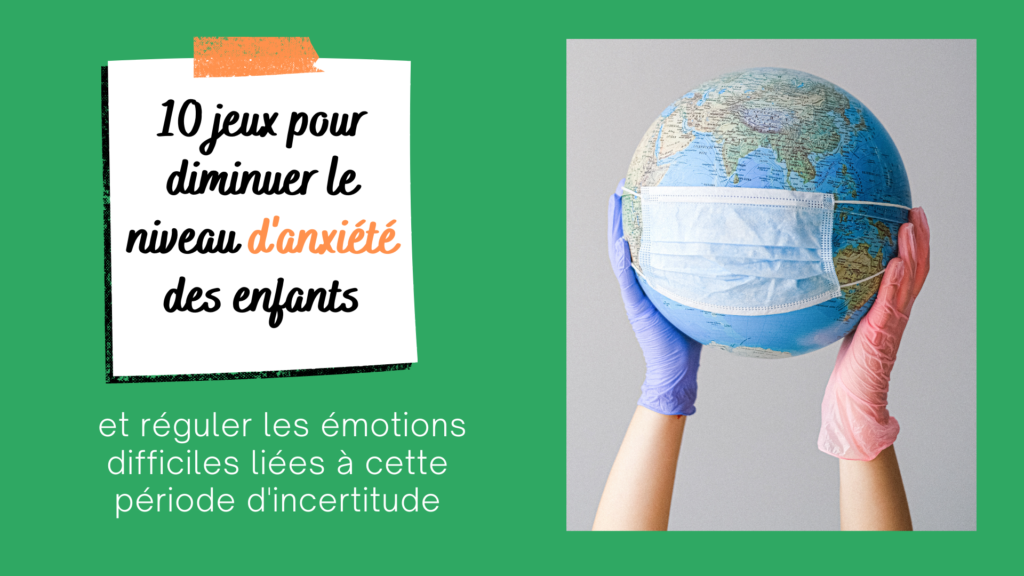
Calming games for kids are one of the simplest ways to help a child who is overwhelmed by anxiety and difficult emotions linked to uncertainty. When children feel they have no control over a situation, their feelings can spill over, and movement and touch become powerful tools to bring them back to a sense of balance.
These ten games are built on movement and physical contact, which help children push back against helplessness by feeling capable and in control. They work best when a parent plays alongside the child, turning each activity into a shared moment of connection.

Quick takeaways
- Movement and touch help anxious children feel capable and in control.
- Play these games together; your calm presence amplifies the effect.
- Mirror movement builds attunement through silent imitation.
- The “voooouuu” breath and wide-jaw roaring calm the nervous system.
- Hugs, pushing games and cushion kicks release tension safely.
- A short daily game beats an occasional long one.
Why Movement Helps Children Manage Anxiety
Anxiety often leaves children feeling powerless, as though events are happening to them with no way to respond. Active engagement through movement and touch gives them something concrete to do, and that sense of agency is what slowly quiets the anxious mind. Play is the natural language of childhood, so it reaches children where words sometimes cannot.
These games are noticeably more effective when played in tandem with a parent. Your calm presence, your voice and your full attention all signal safety, and the shared laughter does the rest. If you want to build a home atmosphere that supports this, it helps to accompany from love rather than from fear, letting connection lead instead of worry.
None of these activities require special equipment or a big time commitment. A few cushions, a sheet of paper and ten minutes together are enough to shift the mood of an entire afternoon.
1. Mirror Movement and 2. Drawing Past, Present and Future
In mirror movement, the child moves however they wish, with no instructions or restrictions, and the parent copies every gesture as a mirror. You can then swap roles so the child gets a turn leading. This silent game builds attunement and shows your child that you are truly paying attention to them.
For the drawing game, divide a sheet of paper into three parts. Invite your child to draw life as it was before in the first section, life as it is now in the second, and life as they imagine it in the future in the third. An abstract drawing is perfectly fine. You can draw your own version too, then each of you explains the elements and colors you chose.
Putting feelings into words
Naming emotions, fears and sadness out loud softens their intensity. This heart-to-heart exchange in the warmth of home reinforces your child's sense of security, and it pairs beautifully with the reading to your baby habit of shared quiet time. These calm moments also help when your child's fatigue makes big feelings harder to manage, and a small party favor toy can offer gentle comfort too.
| Game | What you need | Best for |
|---|---|---|
| Mirror movement | Nothing | Building attention and connection |
| Past-present-future drawing | Paper and colors | Naming fears and hopes |
| Free movement | Open space | Discharging built-up tension |
| Voooouuu breath | Nothing | Slowing a racing body |
| Tiger jaw | Nothing | Releasing jaw and face tension |
| Reading aloud | A storybook | Quiet shared closeness |
| Push the hands | Nothing | Channeling strong energy |
| Koala hug | Nothing | Comfort and security |
| Boat on the water | Nothing | Rhythmic soothing |
| Cushion kicks | Cushions | Strength, fun and impulse control |
3. Free Movement and 4. The “Voooouuu” Breath
Movement is central to emotional regulation, and any playful motion helps discharge tension: jumping, dancing, running around the garden or simply shaking out the arms and legs. Let your child choose the movement, and join in without worrying about looking silly. If you are heading outdoors for a change of scene, check the children's snow equipment list first so the fun stays comfortable.
The “voooouuu” breath works on the vagus nerve and is wonderfully simple. Take a big breath in while letting the belly push outward, then breathe out slowly while making a long “voooouuu” sound with the mouth. Repeat as many times as needed.
Open the jaw wide
Parents and children can imitate a growling tiger or lion, opening the jaw as wide as possible and letting out a roar. The wider the jaw opens, the more effective the regulating effect, so make it a game of who can open widest.
5. Read Aloud, 6. Push the Parent's Hands and 7. The Koala Hug
Reading a story aloud can genuinely change the quality of your relationship and carries real emotional regulating power. It is not reserved for children who cannot read yet, nor for bedtime only. Younger and older children alike enjoy a shared reading moment at any hour, and the learning toys for two-year-olds you keep nearby can extend the calm afterward. Even young children who get car sick can benefit from this soothing routine.
Children who are dysregulated can find their balance through physical contact that invites resistance. Ask your child to push hard against your hands and try to make you step back, pushing as strongly as they can. This is a game for girls and boys alike, and it channels big energy safely, much like the natural urge that grows with age.
The koala hug
Hugs have an almost magical power: they break loneliness, soothe sadness, help a child recover from a fright, and build self-esteem through the message “I am lovable, I am loved.” In the koala hug, your child sits on your lap, belly to belly, and you hold them close for as long as they need.

8. Boat on the Water and 9. Cushion Kicks
Sit facing each other with legs apart and feet touching, holding each other's wrists. Rock back and forth singing “boat on the water,” varying the rhythm: sometimes slow, sometimes fast, sometimes a big sweep down, sometimes a shorter motion. The rhythm changes keep attention engaged and add a playful challenge.
For cushion kicks, your child sits with feet slipped under a large cushion and, on your signal, kicks the cushion up into the air. Exaggerate your amazement: “Look at that! What strength, I can hardly believe it! Can you do it with two cushions?” Add a silly signal word such as “beaver” and slip in false starts to work on impulse control.
Adding challenge and delight
Keep going with a third cushion, always marveling at your child's strength and adding a gentle dare. Let your child choose their own signal, then finish with a big “Hurray! Fantastic!” For more ideas on building confidence through play, see these outdoor toys for preschoolers.
Making These Games Part of Family Life
Practicing these games as a family has a soothing power because they cultivate connection, the “We” that humans need at every age. Parents often find as much comfort and benefit in them as the children who need to reduce their anxiety. Keep a few favorites in mind for difficult moments, and let your child pick which one to play.
Consistency matters more than duration: a short daily game beats an occasional long one. Modeling calm yourself also helps, and learning to keep adult authority while staying warm and firm gives children the secure structure they need.
My hands-on take
In our home, the cushion kicks game has become the go-to when tensions run high before dinner. My child sits on the floor, feet under a big cushion, and I make a show of being astonished at every kick. The silly signal words turn a tense moment into laughter within minutes, and I have learned to keep a spare cushion nearby for the “can you do two?” challenge.
What surprised me most is how much the mirror game settles me as well. Copying my child's movements forces me to slow down and really watch them, and by the end we are both calmer. These games are not a cure for anxiety, but they have given us a shared language for difficult days, and that alone has been worth it.
Frequently asked questions
How often should we play these calming games?
Short, regular sessions work better than occasional long ones. A few minutes daily, or whenever you notice rising tension, helps children build the habit of regulating themselves through play.
What if my child refuses to join in?
Start with the game you enjoy most and play it yourself without pressure. Children often join once they see you having fun, and free movement or a koala hug can be an easy first step.
Do these games work for older children too?
Yes. Reading aloud, drawing and cushion challenges appeal to older kids as well, and the shared connection matters at every age. Adjust the tone to keep it playful rather than childish.
Can these games replace professional help?
No. They are everyday tools for easing mild anxiety and strengthening connection. If your child's anxiety is intense or persistent, speak with a qualified professional.
Product Reviews
 Best Toys for Dogs With High Prey Drive |
Best Outdoor Toys for 3-4 Year Olds |
Best Outdoor Toys for 6 Year Olds |
Best Harness for Poodle |
Best LEGO Sets for Adults |
Best Travel Toys for 4 Year Olds on Airplane |
Best Toy Stores in Washington DC |
Best Potty Training Toys |
Best Toys for Tripod Dogs |
Maillot equipe de france







