


Playful parenting is one of the simplest ways to reduce opposition from young children and make daily routines calmer. Instead of repeating instructions or raising your voice, you step into a game and let surprise and curiosity do the work.
It can feel disproportionate to act silly just to get shoes on or books tidied. But time spent playing is often time saved, and it improves the whole family atmosphere over the long term. You do not have to stay stern and cold to help a child understand a lesson.

Quick takeaways
- Use an imaginary friend in the car seat to make buckling up reassuring.
- Pretend you will wear your child's coat so they rush to put it on first.
- Misuse the hairbrush on purpose and let your child correct you.
- Turn tooth brushing into a lion hunt for feathers and hippo hair.
- Play the magic stop button game to end running or water play.
- Never mock: you play together, you do not make fun of your child.
The car seat and the coat trick
When a young child refuses to climb into the car seat, try introducing an imaginary friend who already lives there. Explain that it is reassuring because your imaginary friend is sitting in the seat: “Phew, you almost squashed my imaginary friend Jacqueline. Good thing you did not sit down. Anyway, Jacqueline does not want to move over. She is a bit grumpy and it is better not to upset her.”
The same logic works for a coat. Say: “Oh, perfect timing, I was planning to wear your coat today for a change. Whatever you do, do not put your coat on, because I am wearing it.” Children are surprised and become curious, which is exactly what positive discipline relies on.
Why surprise works
A playful approach limits tension between parents and children and creates connection through humour. For more gentle ways to handle daily transitions, see these conscious parenting ideas.
The hairbrush and toothbrush games
If a child refuses to have their hair brushed, simulate incompetence by misusing the brush. Pick it up and say: “And now, time for brushing. Open your mouth,” while starting to brush their teeth with the comb. The child will be surprised and amused, then want to correct you. You can keep persisting in your mistake with exaggeration, brushing the hairs on their arm.
For tooth brushing, imagine the child is a voracious lion with very dirty teeth: “Wait, there are feathers between your teeth: did you eat an ostrich, or a pheasant lost in the savannah? And that looks like leftover antelope: was it running fast? Open wider, I think there is hippo hair at the back to remove.”
These games work best when you adapt them to your child’s maturity and receptivity, much like the toys you choose, such as these open ended toys.

| Situation | Playful idea | What the child does |
|---|---|---|
| Car seat refusal | Imaginary friend in the seat | Climbs in to protect the friend |
| Coat refusal | Parent claims the coat | Rushes to put it on first |
| Hair brushing | Brush used as toothbrush | Corrects the parent, then cooperates |
| Tooth brushing | Lion with dirty teeth | Opens wide to help clean |
| Repeated behaviour | Magic stop button | Laughs and stops the machine |
The magic stop button
When a young child keeps doing something you would like to stop, such as running through the house or playing with water, play the machine game. Say: “I suppose I need to find the stop button,” or “Quick, quick: let us find the emergency stop button before this bathroom turns into a swimming pool.”
Then press different points on the child’s body, like the top of their head or their nose, searching for the “magic button that will stop the machine that has gone haywire.” This kind of shared laughter does more than a lecture, a principle explored in fidget toys and other hands-on play.
Reading the moment
Play works when everyone is willing. If your child is tired or hungry, a calmer approach such as co sleeping routines may serve you better at bedtime.
The one limit: never mock
These suggestions can be adapted to children according to their maturity and receptivity. The line you must not cross is mockery: you play together, you do not treat children as fools. As Lawrence Cohen puts it, a shared fit of laughter is worth more than a sermon that falls on deaf ears.
Playful parenting is not about performing constantly. It is a tool you reach for when a refusal is building and you want to defuse it rather than escalate. On harder days, pairing it with infant development knowledge helps you match your expectations to your child’s stage.
For families juggling several children, small rituals like a few days at grandparents house can also reset the mood and give everyone breathing room.
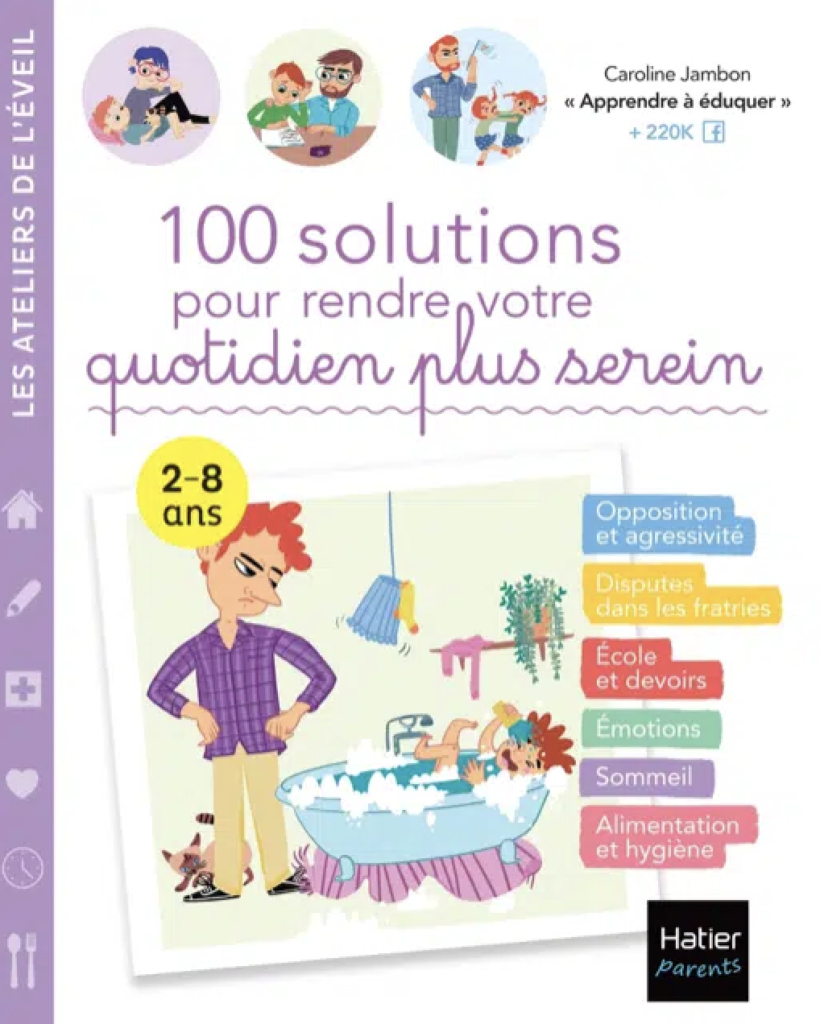
More playful ideas to try
Beyond these five examples, playful parenting can smooth many other moments. Transitions such as leaving the house or changing activity become easier when you turn them into a game, and open-ended play at home builds the same cooperative spirit.
If you are choosing toys that support this kind of imaginative play, these 1 year old toys and dog toys reviews offer practical starting points. And when mealtimes turn into a battleground, recreating dishes from children's characters can invite cooperation at the table.
Remember that the goal is connection, not perfection. A single silly moment can shift the tone of an entire afternoon.

My hands-on take
I started using the magic stop button on a whim during a very splashy bath time, and it worked far better than my usual warnings. My child froze mid-splash, grinned, and started pointing at their own nose to help me find the button. What struck me was how quickly the tension left the room.
I have also learned to read the moment. On days when my child is overtired, the games fall flat and I go back to calm, simple instructions. When everyone is rested, though, a silly voice or an imaginary friend saves us both a lot of frustration, and honestly, it makes the day more fun for me too.
Frequently asked questions
Does playful parenting mean I never set limits?
No. Play is a way to carry a message or handle a refusal, not a replacement for boundaries. You still decide what needs to happen; you simply choose a lighter route to get there.
What if my child does not respond to the game?
Adapt the idea to their maturity and mood, and drop it if they are tired or upset. Play works best when it feels like an invitation rather than a demand.
Where is the line between play and mockery?
You play together, so the child is in on the joke and can correct you. Mockery makes the child the butt of the joke; that is the limit never to cross.
Can these games help with daily transitions?
Yes. The same spirit of surprise and humour helps with departures, changes of place and switching activities, making routines calmer for everyone.
Product Reviews
 Best Toys for Dogs With High Prey Drive |
Best Outdoor Toys for 3-4 Year Olds |
Best Outdoor Toys for 6 Year Olds |
Best Harness for Poodle |
Best LEGO Sets for Adults |
Best Travel Toys for 4 Year Olds on Airplane |
Best Toy Stores in Washington DC |
Best Potty Training Toys |
Best Toys for Tripod Dogs |
Maillot equipe de france







