


A broken biscuit is one of the most familiar triggers of a young child's meltdown. A toddler asks for a biscuit, it snaps in two, and the reaction that follows can feel wildly out of proportion to what actually happened.
Yet a child never has a tantrum for nothing. The broken biscuit is only the trigger, not the real reason. Behind the tears there is usually something deeper: accumulated frustration, tiredness, or a small disappointment that lands on an already full emotional cup.

In this article we look at what is really going on when a child falls apart over a snapped biscuit, and how to respond with calm and understanding instead of exasperation.
Quick takeaways
- The broken biscuit is a trigger, not the real cause of the meltdown
- Small frustrations accumulate until the emotional cup overflows
- Young children feel intensely but cannot yet regulate or name emotions
- Stay calm, get to the child's level and name the feeling
- Comfort first; talk about what happened once the storm passes
- Predictable routines and play reduce the buildup of stress
The broken biscuit is the trigger, not the cause
When a biscuit breaks, the child is not really crying about the biscuit. The snack is simply the last small event in a long chain, and it tips an already fragile balance. This is why the intensity of the reaction can surprise us: the visible cause looks tiny, but the emotional load behind it is not.
Think of the emotional cup. Every minor frustration of the day, from a scratched knee to a toy that would not cooperate, adds a little water. The broken biscuit is the final drop that makes the cup overflow. Parents who understand this stop asking whether the child is crying "for so little" and start asking what has been filling the cup.
This reframing matters because it changes our tone. Instead of dismissing the reaction, we can treat it as information about the child's inner state. For a wider look at how everyday parenting questions divide opinion, see controversial parenting issues.
Why young children react so strongly
Young children feel emotions with their whole body, but they do not yet have the brain maturity to name what they feel or to calm themselves down. A disappointment that an adult would shrug off can genuinely overwhelm a toddler, because the tools for regulating it are still being built.
There is also the question of expectations. The child had a clear picture in mind: one whole biscuit. When reality does not match that picture, the gap feels enormous. Add tiredness, hunger or a busy day, and the capacity to cope shrinks further.
The role of the day's accumulated stress
Small children hold a lot in during the day, especially in busy environments. A meltdown at home is often the safe release of tension they have been carrying. Understanding this helps us respond with patience rather than frustration, much as we would when reading other early signals, such as baby in the womb or the way a child handles new routines. Just as parents learn to spot early warning signs in pregnancy, they can learn to read a child's buildup of stress before it spills over.

| What you see | What may be happening | What helps |
|---|---|---|
| Screaming over a snapped biscuit | The final drop in a full emotional cup | Stay calm and get down to their level |
| Refusing all offers of help | Overwhelm, not stubbornness | Name the feeling simply |
| Meltdown at home after a busy day | Safe release of held-in tension | Offer comfort and quiet time |
| Repeated small frustrations | Toys or tasks that do not fit the stage | Choose age-appropriate play |
| Quick recovery after a hug | The storm has passed | Talk it through calmly afterwards |
How to respond in the moment
The first step is to stay calm yourself. A child in the middle of a storm borrows our calm; if we raise our voice, the storm grows. Get down to their level, name the feeling simply ("you really wanted the whole biscuit"), and let them know you are there.
Naming the emotion does not mean fixing the biscuit. It means showing the child that their inner world has been seen. Over time this builds the vocabulary they will use to describe feelings themselves, long before they can reason their way out of a frustration.
Comfort first, logic later
Reasoning with a child mid-meltdown rarely works. Once the storm passes, you can talk about what happened and even offer a replacement biscuit or a hug. For parents juggling many daily demands, staying patient is easier when you have already thought about your own limits, just as you would plan ahead for things like avoiding cystitis during a busy period.
Preventing the overflow where you can
You cannot remove every frustration from a child's day, and you should not try. But you can reduce the number of small stresses that pile up. Regular snacks, predictable routines and quiet moments help keep the emotional cup from filling too fast.
Play is one of the best outlets for tension. Physical, imaginative and creative activities give children a way to discharge energy and process what they have lived through. Music, for example, offers a simple channel for expression and is worth exploring through music activities creativity.
Choosing toys that match a child's stage also reduces frustration. A toy that is too hard or too young creates repeated small failures. If you are selecting playthings for a toddler, educational toys three year olds is a useful reference point for what is genuinely appropriate. As children grow, questions like whether they for the next stage become just as important as the toys themselves.
Stories can also give children language for big feelings, and classic children's literature offers gentle ways to talk about them together.
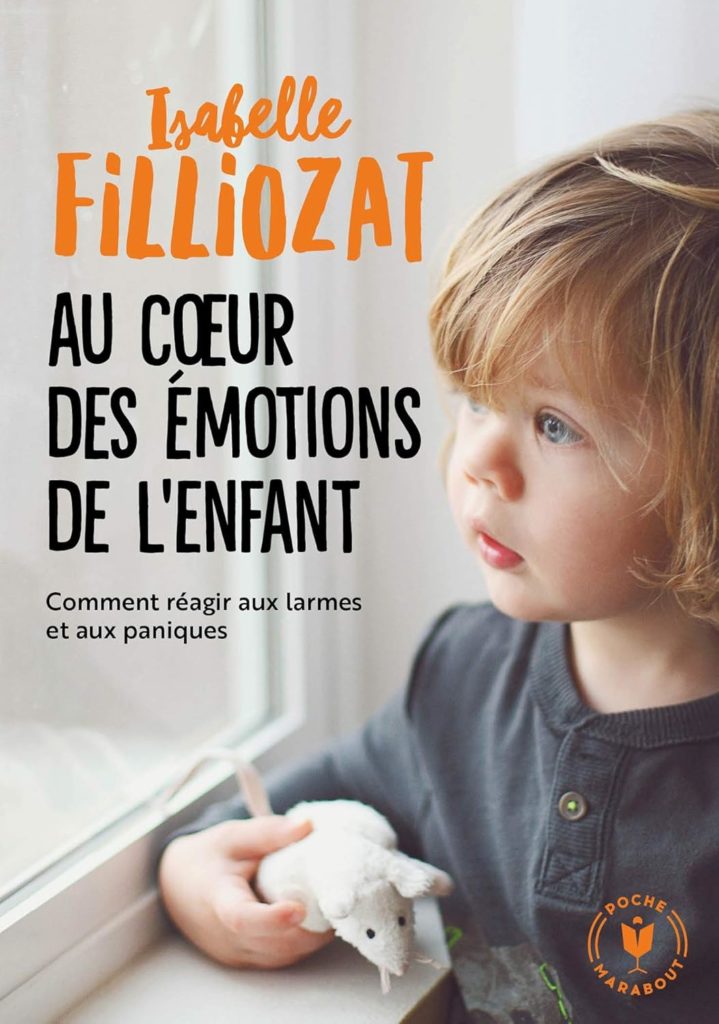
Building emotional skills over time
Every meltdown is a small lesson in emotional literacy, for the child and for us. Over months and years, children gradually learn to recognise the feeling rising, to ask for help and to recover more quickly. Our job is to keep offering the words and the calm until they can do it themselves.
Books and stories are powerful allies here. A picture book about feelings, or a story that mirrors a child's experience, gives them language and reassurance. Reading together also creates the quiet, connected moments that refill the cup in a good way.
Finally, remember that this phase passes. The intensity of toddler reactions is a sign of a brain under construction, not a sign of a difficult child. Patience, naming and presence are the tools that carry a family through it, and they apply just as well to the other early milestones you will meet, such as understanding family relationships.

My hands-on take
I have been on both sides of this one. I remember feeling ridiculous the first time I watched a full-blown storm erupt over a snapped biscuit, and I remember the temptation to say "it's just a biscuit". What changed things for me was starting to treat the meltdown as a message rather than a nuisance.
In practice, the small shifts made the biggest difference. Getting down to eye level, saying what I saw ("you wanted it whole, and it broke"), and simply waiting nearby without arguing. Sometimes it worked in seconds; sometimes it did not work at all, and that was fine too. Over time I noticed the storms got shorter, and my own reactions got calmer. The biscuit still breaks sometimes, but it no longer breaks the whole afternoon.
Frequently asked questions
Is my child really upset about the biscuit?
No, the biscuit is usually just the trigger. The real cause is often accumulated tiredness, frustration or disappointment that has built up during the day.
Should I give in and replace the biscuit?
You do not have to fix the biscuit to help. Comfort and name the feeling first; once the child is calm you can decide together what to do next.
Does this mean my child is spoiled?
Not at all. Intense reactions are a normal part of early emotional development, when the brain is still learning to regulate big feelings.
How can I reduce these meltdowns?
Keep routines predictable, offer regular snacks and rest, and give plenty of time for play. Fewer small stresses mean a cup that fills more slowly.
Product Reviews
 Best Toys for Dogs With High Prey Drive |
Best Outdoor Toys for 3-4 Year Olds |
Best Outdoor Toys for 6 Year Olds |
Best Harness for Poodle |
Best LEGO Sets for Adults |
Best Travel Toys for 4 Year Olds on Airplane |
Best Toy Stores in Washington DC |
Best Potty Training Toys |
Best Toys for Tripod Dogs |
Maillot equipe de france







