


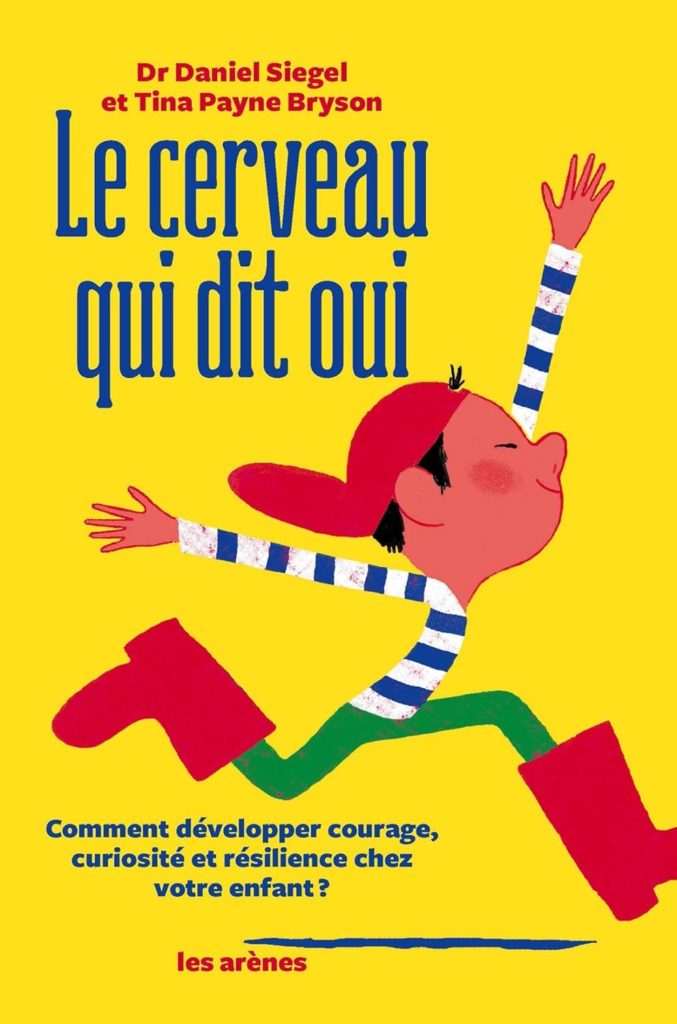
The green zone is a simple image parents can use to teach children how to return to emotional balance. It comes from the work of Daniel Siegel and Tina Payne Bryson, who designed a three-step ladder made of the red zone, the green zone and the blue zone.
Children can learn that they move between these three zones depending on what happens around them. When they feel good and can manage themselves, they are in the green zone. When they are overwhelmed, they may explode into the red zone or withdraw into the blue zone.

Knowing this language gives children a way to name what they feel and a small tool to come back to calm.
Quick takeaways
- The green zone is where a child feels good and stays in control.
- The red zone is an emotional explosion: anger, fear or agitation.
- The blue zone is an emotional collapse: withdrawal and isolation.
- One hand on the heart, one on the belly, then breathe to return to green.
- Practise the breathing tool while calm so it works during storms.
- Naming the zone out loud gives children distance from the feeling.
What the Three Zones Mean
Siegel and Payne Bryson explain the three zones as three rungs on a ladder. Each one describes a different emotional state a child can experience during the day. Understanding them helps children see that feelings are normal and temporary.
The green zone is where a child feels good and can stay in control. The red zone is an emotional explosion: anger, fear or agitation that makes a child want to shout, cry or hit. The blue zone is an emotional collapse, when a child prefers to step away, be alone or isolate.
This framework pairs well with a broader look at how children understand the world, because young minds need concrete images before they can reason about abstract feelings.
Spotting the Red Zone
In the red zone, a child is flooded by strong emotion. They may be furious, frightened or restless, and the urge to scream, weep or strike can feel impossible to hold back. This is an explosion, not a choice.
Parents can help by naming what they see without judgment. Saying "you look like you are in the red zone" gives the child a label and a moment of distance from the feeling. It also signals that you understand the intensity rather than dismissing it.
Some children struggle more than others with these storms, and children at six years can be especially reactive as their social world grows. Patience and consistent language matter more than quick fixes. Just as learning to speak happens step by step, so does emotional regulation, and small daily rituals like preparing for Santa can offer calm practice moments.

| Zone | What it looks like | Helpful response |
|---|---|---|
| Green | Calm, in control, feels good | Notice and name it, keep routines |
| Red | Shouting, crying, hitting, agitation | Stay calm, name the zone, breathe together |
| Blue | Withdrawal, wanting to be alone | Offer gentle presence, no pressure |
| Return | Child notices they are leaving green | Hand on heart, hand on belly, breathe |
| Practice | Calm moments during the day | Short daily breathing routine |
Recognising the Blue Zone
The blue zone looks quieter but is just as important. Here a child who is upset chooses to pull away, stay alone or shut down. It is an emotional collapse rather than an outburst.
Adults sometimes mistake this withdrawal for calm or good behaviour. In fact, the child may need gentle presence and reassurance rather than being left entirely alone. Offering quiet company without pressure can help them re-engage.
Understanding these shifts connects to the bigger picture of mom and dad working as allies, because children regulate better when both caregivers respond consistently.
The Breathing Tool for Coming Back
When children notice they are leaving the green zone and it hurts, they can activate a small breathing exercise to return to balance. The method is simple and needs no equipment.
How to Do It
Ask the child to place one hand on the heart and the other on the belly. Then they simply breathe, hands in place, for as long as they feel the need. The physical touch anchors attention and slows the breath naturally.
Practising this when the child is already calm makes it easier to use during a real storm. A short daily routine, perhaps after breakfast in the classroom or at bedtime, builds the habit. Guiding it calmly also preserves adult authority in the child's eyes.
Building Emotional Balance Over Time
Emotional balance is a skill that grows with repetition, not a switch that flips overnight. Children need many chances to notice their zones, name them and practise returning to green.
Play supports this learning too. Games that invite children to act out feelings or calm down help them rehearse regulation in a safe way, much like games to stimulate creativity open new ways of thinking.
Rest matters as well, since tired children slide into red or blue more easily; understanding how many hours of sleep a baby needs reminds us that basics underpin big feelings.
Why This Language Helps Families
Giving feelings a shared vocabulary reduces shame. A child who can say "I am in the red zone" is already taking a step toward control, and parents gain a calm way to respond.
Over time, this approach supports courage, curiosity and resilience, the very qualities Siegel and Payne Bryson highlight. It also fits naturally into everyday parenting conversations about a child who is tired or overwhelmed, where emotions run high.

My hands-on take
I started using the three zones with my own child during a stretch of difficult evenings. Instead of arguing about the outburst, I would simply say, "looks like the red zone," and offer the hand-on-heart breathing. Some nights it worked and some nights it did not, but over weeks my child began naming the zone before I did.
The biggest shift was practising the breathing when everyone was already calm, right after dinner. That way the tool was familiar when things got hard. I also learned to watch for the quiet blue zone, which I used to read as good behaviour, and to sit nearby without pushing. It is not magic, but it gives us a shared language instead of a power struggle.
Frequently asked questions
What is the green zone in parenting?
It is an image from Siegel and Payne Bryson describing a child's calm, balanced state. When children feel good and can manage themselves, they are in the green zone.
How do I explain the red and blue zones to my child?
Describe the red zone as an explosion, like shouting or hitting, and the blue zone as a collapse, like wanting to be alone. Use simple words and name the zones as they happen.
When should my child use the breathing exercise?
Whenever they notice they are leaving the green zone and it bothers them. One hand on the heart and one on the belly, breathing for as long as needed.
Does this replace discipline?
No, it is a tool for emotional awareness, not a substitute for limits. It helps children understand feelings so limits can be discussed more calmly.
Product Reviews
 Best Toys for Dogs With High Prey Drive |
Best Outdoor Toys for 3-4 Year Olds |
Best Outdoor Toys for 6 Year Olds |
Best Harness for Poodle |
Best LEGO Sets for Adults |
Best Travel Toys for 4 Year Olds on Airplane |
Best Toy Stores in Washington DC |
Best Potty Training Toys |
Best Toys for Tripod Dogs |
Maillot equipe de france







