


Calming an anxious child is easier when you give them simple, physical tools they can use the moment worry rises. Drawing on neuroscience-based parenting ideas, this guide shows how body and mind can work together to bring a child back to emotional balance.
The approach rests on three connected steps: a clear image of where the child is emotionally, a breathing exercise that settles the body, and a gentle conversation with the worry itself. None of it requires special equipment, and all of it can be practised calmly, long before a difficult moment arrives.

Quick takeaways
- Use the green, red and blue zones to help a child name what they feel.
- Teach hand-on-heart breathing outside a crisis, then practise it at bedtime.
- Ask what the child notices in their body to build awareness of calm.
- Let the child thank and then talk back to the anxious tyrant.
- Explain brain plasticity so the child understands that practice builds new paths.
- Keep the whole sequence short, gentle and repeated often.
The Green Zone: A Map for Anxious Children
To teach a child to return to emotional balance, it helps to give them a picture they can hold in their mind. One useful image is the green zone, part of a simple three-step scale. When children feel good and can keep themselves in check, they are in the green zone. When they are overwhelmed by anger or fear and want to shout, cry or hit, they are in the red zone, an emotional explosion. When they instead withdraw and want to be alone, they are in the blue zone, an emotional collapse.
Anxious children tend to spend a lot of time in the blue zone and too little in the green zone. Naming the zones without judgement helps a child recognise what is happening, much as self-improvement in children grows from self-awareness. A parent can also connect the idea to everyday routines, such as the rest children need, which you can support with a guide to naps. Small rituals can help too, like creating a time capsule together or choosing a maternity bag for a new sibling.
Why the Image Works
A shared vocabulary lowers the pressure. Instead of asking a child why they are upset, you can simply ask which zone they think they are in and what might help them move back toward green.

Hand-on-Heart Breathing to Settle the Body
Anxious children need relief and concrete tools to calm down when anxiety takes over. A simple breathing technique can stop a child sliding from green to blue, or help them return to green faster. When they feel themselves leaving the green zone, they place one hand on the heart and the other on the belly, then breathe fully with long exhales for as long as they need.
To build the habit, introduce the exercise outside a crisis, then ask your child to practise it every evening before sleep as a soothing bedtime routine. Like any physical skill, from gross and fine psychomotor skills to balance, it improves with repetition. Practising when calm means the body already knows the move when stress arrives, which matters just as much for children facing breathing challenges like bronchiolitis.
Keep It Short and Kind
Two or three slow breaths are enough to start. Invite rather than insist, and model the breathing yourself so the child has something to copy.

| Step | What the child does | What the parent does |
|---|---|---|
| Notice the zone | Names green, red or blue | Asks without judging |
| Breathe | Hands on heart and belly, long exhales | Models and invites |
| Check the body | Describes sensations and where they feel calm | Asks open questions |
| Talk to the tyrant | Thanks it, then sets a limit | Keeps it playful |
| Practise daily | Repeats before sleep | Builds the routine |
Noticing What the Body Feels
Once children have practised the hand breathing several times, draw their attention to the physical sensations in the body. Ask open questions: what happens in your body when you do this, what did you notice, where does it happen, and how does it feel? The aim is to help an anxious child focus on physical reactions and become fully aware of the calm and relaxation spreading through them.
This body awareness is a skill in its own right, and it supports many areas of development, including the coordination described in psychomotor skill differences. Keep the questions curious rather than corrective. If a child says their shoulders feel heavy or their chest feels looser, that observation is the win, because they are learning to read their own signals. Practising this anywhere is easy, especially with the summer bag essentials close at hand.
Make It Concrete
You can ask them to point to where the calm starts, or to describe whether it feels warm, soft or slow. Small details make the experience easier to remember and repeat.
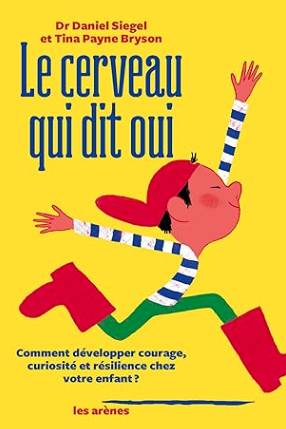
Talking Back to the Anxious Tyrant
A thinking-based strategy can complement the breathing. In the anxious tyrant exercise, the child imagines a small tyrant sitting on their shoulder and decides to talk to it. First, they thank this part of themselves for trying to protect them from an imaginary threat and for standing watch against danger. Once thanked, the child tells the tyrant it can relax and offers backup strategies.
The child is allowed to be firm or even cheeky with the tyrant, for example: “Here you are again, Mr Anxious Tyrant. You want to torment me today, it seems. Well, today I have decided to…” This playful distance gives a child room to breathe, much as playful parenting moments can defuse tension. The exercise works best as a third step, after the child notices they are leaving the green zone and has breathed until the body softens.
A Complete Sequence
Notice the zone, breathe with hands on heart and belly, then address the tyrant: “It’s not so serious. I can do this or that. And now, Mr Tyrant, I don’t need you to help me worry about…”

Building New Pathways: Explaining Brain Plasticity
When an adult teaches a child a new skill, the child’s brain reorganises itself. Each neuron has small branches called axons, and through them neurons connect to one another. These connections form pathways along which information travels. There is real physical movement in a learning brain, because connections are modified: new ones form and others fade if they are no longer used. The exercises above create connections that link the feeling of hands on heart and belly with calm and relaxation.
Some specialists use the metaphor of a forest. Learning means creating connections between neurons; things become easier and you do them better because the path is cleared and information travels faster. The brain is like a forest: walk the same trail several times and a path gradually forms. These neural trails become more efficient, which leads to automatic processes and easier problem-solving. Explaining this to a child gives them hope, and it pairs well with broader efforts to build child self-improvement habits.
My hands-on take
I first tried the hand-on-heart breathing with my own child during bedtime, long after a difficult afternoon had passed. At first it felt a bit silly to both of us, so we shortened it to three slow breaths and stopped there. After a few weeks, I noticed my child placing a hand on their chest on their own when a small frustration appeared, without any prompt from me.
The anxious tyrant came later, and it worked best when we made it funny rather than serious. What helped most was practising when nothing was wrong, so the tools were familiar before they were needed. I still keep the zone language simple, and I try to name my own zone out loud sometimes, which seems to make the whole idea feel normal.
Frequently asked questions
When should we introduce these techniques?
Introduce them when the child is calm, never mid-crisis. Practise the breathing at bedtime so the body learns the routine before it is needed.
What if my child refuses to breathe?
Don’t force it. Breathe yourself and invite them to join, or simply name the zone together. The goal is connection, not compliance.
Is the anxious tyrant suitable for young children?
It can work if the idea is kept light and playful. Some children prefer to draw the tyrant or give it a funny name before talking to it.
How long before these tools help?
Repetition matters more than speed. With regular practice, the calming sequence becomes more automatic and easier to recall under stress.
Product Reviews
 Best Toys for Dogs With High Prey Drive |
Best Outdoor Toys for 3-4 Year Olds |
Best Outdoor Toys for 6 Year Olds |
Best Harness for Poodle |
Best LEGO Sets for Adults |
Best Travel Toys for 4 Year Olds on Airplane |
Best Toy Stores in Washington DC |
Best Potty Training Toys |
Best Toys for Tripod Dogs |
Maillot equipe de france







