


Psychological violence is a pattern of humiliation, belittling and cutting remarks that aims to lower another person, and learning to identify it is the first step toward breaking the vicious circle. It is not the same as a disagreement or a conflict, because in those cases both people explain themselves.
What sets psychological violence apart is that no reciprocity is possible. The victim's response is smothered, denigrated and eventually destroyed, which is why so many people stay trapped without even naming what is happening to them.

Quick takeaways
- Psychological violence uses humiliation and devaluation to lower the other person.
- It differs from conflict because no reciprocity or right of reply is possible.
- Gaslighting and victim-reversal are among the most destructive forms.
- Emotional pauses keep the victim hoping and prepare the next attacks.
- Shame, guilt and confusion slowly erode judgment and autonomy.
- Naming the violence is the first step toward breaking free.
What psychological violence is, and what it is not
Psychological violence is built from daily humiliations, repeated devaluation and reproaches that cut or insist, all aimed at making the other person feel small. It is defined by the fact that no reciprocity is possible: one person holds the right to speak, and the other loses it.
This is what separates it from an ordinary conflict based on a disagreement. In a real argument, the two people explain themselves and a response is possible. In psychological violence, the riposte is stifled, denigrated and finally annihilated, so the victim gives up the right to reply.
Some conflicts are simply part of family life. Sibling rivalry, for instance, follows a very different logic, and you can read about sibling fights to see how a fair resolution works. The contrast helps: a dispute has two voices, while psychological violence leaves only one.
The most destructive forms of psychological violence
Some patterns are especially harmful. Repetitive reproaches and insinuations wear a person down slowly, while gaslighting, which makes the victim doubt their own memory or mental health, is one of the most disorienting forms and one everyone should know in order to free themselves from it.
Another destructive pattern is when the aggressor claims to be the victim, with phrases like "after all I've done for you." This reversal leaves the real victim feeling guilty and ungrateful, and it makes any complaint seem unfair.
Why the aggressor prepares the ground
The author of psychological violence knows these behaviors are wrong and could damage their image if they were known. So they prepare carefully, installing psychological control over time, waiting until the relationship is established and the victim trusts them. Silence and manipulated consent must come first.
This slow build-up is why it can be hard to spot. If you are already working on the everyday parenting commandments you set for yourself, you know how much consistency matters, and abuse uses that same consistency for a very different purpose. Recognizing harmful parenting behaviors early can help you spot these patterns before they take root.

| Feature | Ordinary conflict | Psychological violence |
|---|---|---|
| Voices heard | Both people explain themselves | One voice is silenced |
| Right of reply | Respected | Stifled and denigrated |
| Purpose | Resolve a disagreement | Lower and control the other |
| After the episode | Repair and clarity | Emotional pauses that confuse |
| Effect on the person | Temporary tension | Shame, guilt, doubt, numbness |
The role of emotional pauses
Moments of violence are usually punctuated by emotional pauses, during which the aggressor seems to question themselves or simply shows loving behavior. These pauses confuse the victim, who chooses to bet everything on those moments of respite in response to their own illusions.
The victim convinces themselves that the aggressor is doing it for their own good, or that it is not really that frequent. This conviction legitimizes the aggressor's past behavior and prepares the victim for the next attacks, to which they will respond less and less, then not at all.
Little by little, the person is left dazed and stripped of the ability to think, to question things, and sometimes even to remember events. Anyone who has heard a child shout a harsh hate you mom knows how destabilizing raw emotion can be; in psychological violence, that destabilization becomes a permanent state.
The consequences on the victim
Victims of psychological violence feel trapped, as though no rational or understanding exit door exists. The violence creates a climate of physical and emotional insecurity, with unpredictable conflicts and repeated intimidation that never says its name: "No, I'm not aggressive, you're the one who understands nothing."
The aggressor justifies this verbal mistreatment by the victim's supposed "inappropriate behavior." Blackmail, insidious insinuations and destabilizing anger are legitimized by what the other person is, says or does, so the victim develops shame and a sense of inferiority.
Confusion, contradiction and physical pain
Criticism reinforces those feelings, along with psychological wounds and contempt when the victim fails to meet expectations that were never spoken, arbitrary and unpredictable. Daily wounds feed doubt and confusion through contradictory statements, unspoken things, lies, manipulation, staged scenes and insinuations.
Physical pain is generally inseparable from psychological violence in the victim. The person gradually feels guilty, inferior and incompetent, and that self-devaluation is precisely what stops them from believing the aggressor has no right to act this way.
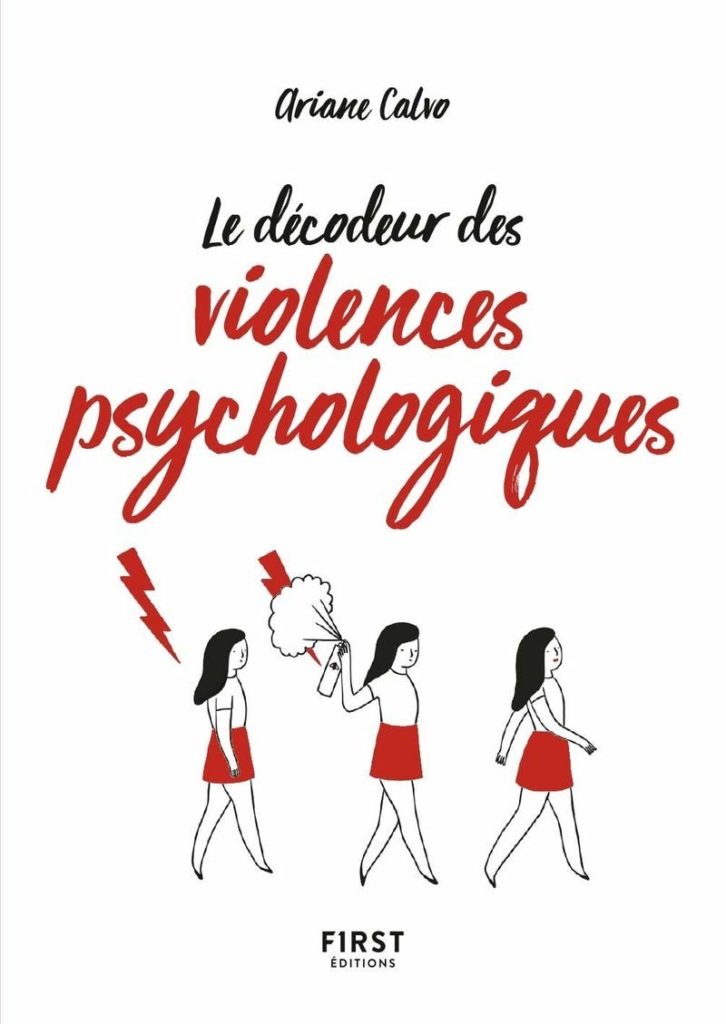
Over time, repeated violence creates dissociation and emotional numbness, leading to paradoxical behaviors: trivializing the aggressor's actions, becoming dependent, losing autonomy and free will, confusion, partial amnesia. If you are also managing a child's health worries, such as childhood strabismus, you know how stress and confusion compete for the same limited attention. Recognizing natural abortion symptoms can be just as confusing, and planning family outings together can help restore a sense of security.
Why it is so hard to break free
Many people who have lived through psychological violence describe the immense relief they felt when they finally put words to what was happening. Naming it does not solve everything, but it opens a door that seemed closed.
Breaking free is genuinely difficult, because the victim has often lost confidence in their own judgment and memory. Rebuilding that judgment takes time and support, and it rarely happens alone.
Daily life keeps running in the meantime. Meals, routines and small rituals still need to happen, and something as ordinary as getting children to eat their vegetable burgers can be one more point of friction in an already tense home. Small, steady routines can be a quiet anchor while you sort out what is really going on, much like the steady daily care that keeps a family grounded.

My hands-on take
I first came across the idea of "no reciprocity" while reading about relationships, and it changed how I listened. A friend kept telling me she was "too sensitive" and that her partner "only wanted the best for her." What struck me was not any single scene but the pattern: every time she tried to explain her side, the conversation turned into her being the problem. She had stopped answering, not because she agreed, but because it was exhausting.
What helped her most was not a dramatic decision but small steps: writing things down after each difficult conversation, keeping a routine with her children, and saying the words "this is psychological violence" out loud to someone she trusted. Naming it did not fix everything overnight, but it gave her back the sense that her own memory could be trusted. If you recognize yourself in this, start by writing it down and telling one person.
Frequently asked questions
Is psychological violence the same as a couple's argument?
No. In a disagreement, both people explain themselves and a reply is possible. In psychological violence, the response is smothered and denigrated until the victim stops answering altogether.
What is gaslighting?
Gaslighting is a form of psychological violence that makes the victim doubt their own memory or mental health. It is especially disorienting and is one of the patterns worth knowing in order to free yourself from it.
Why does the aggressor sometimes act loving?
These emotional pauses are part of the pattern. They confuse the victim, who bets everything on those moments of respite and convinces themselves the violence is not that frequent.
What are the long-term effects?
Victims often feel guilty, inferior and incompetent, and repeated violence can lead to dissociation, emotional numbness, dependence and partial amnesia.
Product Reviews
 Best Toys for Dogs With High Prey Drive |
Best Outdoor Toys for 3-4 Year Olds |
Best Outdoor Toys for 6 Year Olds |
Best Harness for Poodle |
Best LEGO Sets for Adults |
Best Travel Toys for 4 Year Olds on Airplane |
Best Toy Stores in Washington DC |
Best Potty Training Toys |
Best Toys for Tripod Dogs |
Maillot equipe de france







