


Understanding psychological manipulation in a couple is hard precisely because it rarely looks like violence at first. This graphic novel follows Sophie, who falls in love with Marcus within forty-eight hours and slowly discovers that the man she adores is a narcissistic manipulator.
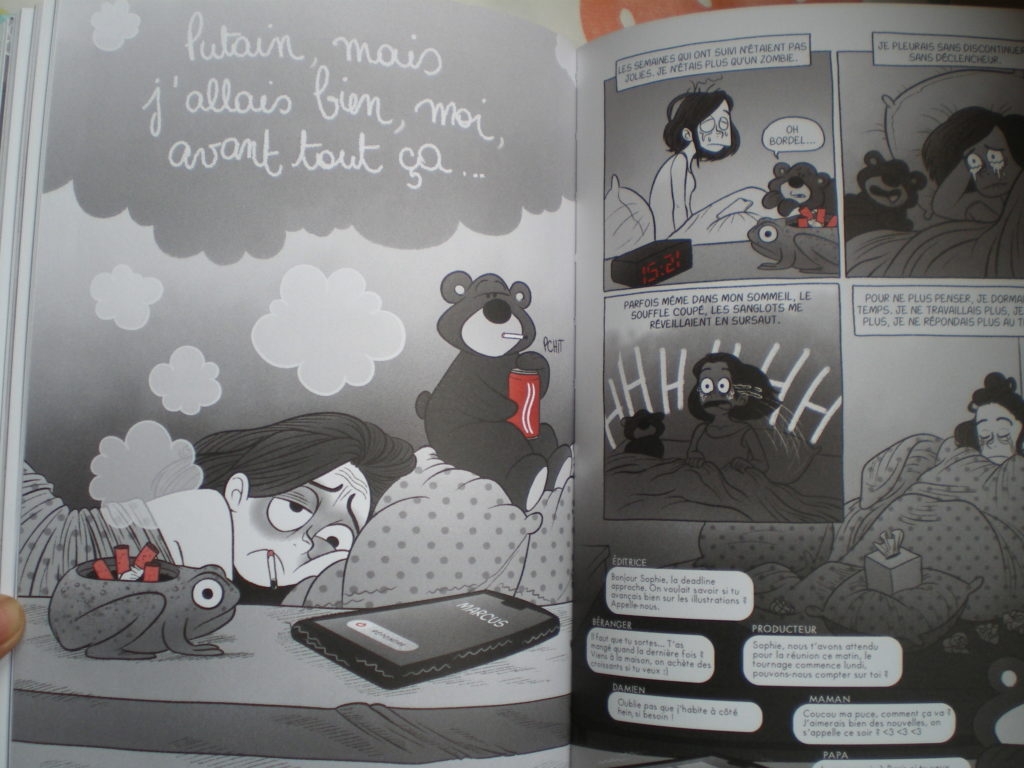
Through three hundred pages, the author blends humour with realism, mixing her own lived experience with clear theory to explain how emotional abuse takes hold. The book maps the long road from a seemingly perfect love to emotional collapse, and it offers practical resources for anyone trying to recognise the pattern.

Quick takeaways
- Manipulation often starts with intense affection and compliments.
- Small lies and inconsistencies are early warning signs.
- Blame, jealousy and emotional blackmail escalate gradually.
- Inner work after a breakup helps prevent a relapse.
- Hoovering and flying monkeys can appear after separation.
- The book includes resources and a bibliography for further help.
A Love Story That Turns Strange
When Sophie meets Marcus, she falls in love in forty-eight hours. She had always been cynical about romance, yet this time she believes it. Soon, though, he seems strange, and she needs to understand what is wrong.
Confronted with his lies and inconsistencies, he reacts with violence, offers excuses for everything and slips out of every dead end. The reader watches a woman who loves a narcissistic manipulator, and the tension comes from how long she can keep going. Parents reading this may recognise how early relationship models shape what children later accept, so conversations about respect matter as much as any parent child relationship facts.

Why This Book Works So Well
What makes the book valuable is the way it renders the slow process from perfect love to breakdown. The author describes psychological manipulation in all its complexity, starting with the mental hold built through small attentions, compliments and proof of love that create the feeling of being unique.
Then come the inconsistencies and small lies that raise doubt but are quickly swept away "for love". Finally, criticism grows more frequent, reproaches become unjustified, jealousy flares, and blame is turned back on the partner through emotional blackmail. This is the same dynamic that can quietly poison adult life, and it deserves attention long before issues like flirting with children or sexual attraction maintenance ever enter a relationship.
| Stage | What it looks like | What to watch for |
|---|---|---|
| Idealisation | Compliments, gifts, feeling unique | Intensity that feels too fast |
| Devaluation | Criticism, reproaches, jealousy | Blame turned back on you |
| Isolation | Distance from friends and family | Pressure to cut ties |
| Rejection | Contempt, withdrawal | Fear of speaking up |
| After breakup | Hoovering, discrediting | Sudden attempts to regain control |
The Theory Behind the Story
Sophie tells her personal story both for her own healing and to warn about this invisible, insidious but deeply destructive violence. The theoretical elements inserted into the narrative are illustrated so clearly that they become genuinely accessible.
She lists the criteria for identifying a manipulator and describes the stages of the mental hold: idealisation, devaluation, isolation and rejection. She also warns about what she calls the post-breakup "surprises": hoovering, the techniques used to regain control over a victim who is escaping, the poisonous tongue that discredits her, and the "flying monkeys" who act on the manipulator's behalf. Recognising these patterns is a form of protection, much like the awareness we try to build around teenage Instagram safety and other online spaces where manipulation also thrives.

The Indispensable Inner Work
The author also offers an introspection to understand how she could have been trapped. This aspect feels indispensable, because skipping it means risking a fall back into a manipulator's net.
Her drawings capture the emotions with real honesty, including their ugliness when the slide toward madness comes close, on both the manipulator's side and the victim's. That honesty is what makes the book useful for prevention, whether you are thinking about your own relationships or about the environment your children grow up in, from baby care guidance onward.

Who Should Read It
The book addresses a wide audience: teenagers, both girls and boys, to raise awareness of this type of violence; adults, for themselves and for prevention with their children; associations working with young people and abused women; and therapists.
Resources for fighting violence against women appear at the end, including a violence meter and useful phone numbers, and the bibliography lets readers go further into the theory. It is available in libraries, bookshops and online. Reading it alongside everyday parenting material, such as teaching tooth brushing or pacifier questions, reminds us that respect and boundaries are taught from the very first years.

Building Awareness Early
Prevention does not begin in adolescence. The way we talk to children about their feelings, their body and their boundaries lays the groundwork for recognising manipulation later. A child who learns to name discomfort is a child who is less likely to dismiss it as love.
That is why this book belongs on family shelves, not only on survivors' nightstands. It pairs naturally with practical guides on children's jet lag or car games, because parenting is a daily practice of attention, and attention is exactly what manipulation exploits.
My hands-on take
I picked up this book expecting a simple memoir and finished it with a much sharper eye. What struck me most was how ordinary the beginning felt: the fast declarations, the compliments, the sense of finally being understood. I recognised conversations I had heard around me and dismissed at the time.
Since reading it, I have changed how I talk with my children about relationships. We practise naming discomfort out loud, and I try to model saying no without apologising for it. The chapters on the stages of the mental hold gave me vocabulary I did not have before, and vocabulary is often what lets someone ask for help.
Frequently asked questions
What is a narcissistic manipulator?
A person who uses charm, lies and blame to control a partner while presenting themselves as the victim. The book lists criteria to help readers identify the pattern.
What is hoovering?
It refers to techniques used after a breakup to regain control over a victim who is escaping. The author describes it as one of the post-separation surprises.
Who is this graphic novel for?
Teenagers, adults, associations and therapists. It works both as personal support and as a prevention tool for parents.
Does the book offer practical help?
Yes, it includes a violence meter, useful phone numbers and a bibliography for going further.
Product Reviews
 Best Toys for Dogs With High Prey Drive |
Best Outdoor Toys for 3-4 Year Olds |
Best Outdoor Toys for 6 Year Olds |
Best Harness for Poodle |
Best LEGO Sets for Adults |
Best Travel Toys for 4 Year Olds on Airplane |
Best Toy Stores in Washington DC |
Best Potty Training Toys |
Best Toys for Tripod Dogs |
Maillot equipe de france







