


Consoling your inner child is a skill most of us were never taught, yet it shapes how we parent and how we treat ourselves. Many adults carry an abandoned inner child who still believes it is unworthy, faulty, or simply not enough.
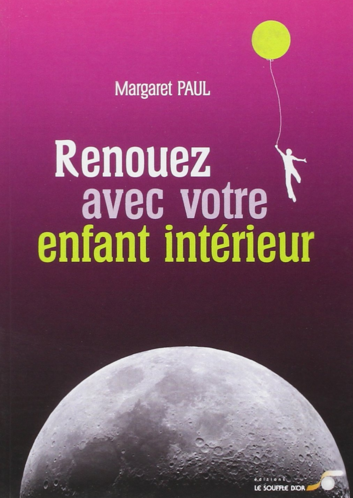
Drawing on Margaret Paul's attachment-based approach, this guide explains the loving inner adult, the two unloving patterns we fall into, and how ordinary educational violence leaves lasting marks. You will also find practical ways to start comforting the child within.

Quick takeaways
- Your inner child feels loved when your inner adult listens to its emotions and needs.
- False beliefs of being unworthy grow when that bond is neglected.
- Ordinary educational violence often teaches us to abandon ourselves.
- The authoritarian inner parent criticizes; the permissive one neglects.
- Blame keeps suffering alive, so set reproaches aside.
- Consoling your inner child is a daily practice, not a one-time fix.
Understanding the Loving Inner Adult
Margaret Paul, a doctor of medicine, developed an approach to consoling the inner child through a process of attachment. She believes each of us holds two parts: an inner adult, which can be loving or unloving, and an inner child, which feels loved when supported and abandoned when neglected.
When the inner adult listens to the child's emotions, desires, and needs, the child feels connected and loved. When the adult refuses responsibility for those feelings, the child feels deprived, abandoned, and alone inside. This bond, Paul notes, is rare.
A loved inner child shows creativity, energy, curiosity, sensitivity, empathy, and openness. Yet rather than opening up and growing through suffering by examining false beliefs, the adult tends to self-protect, close off from difficult emotions, and abandon the child within.
How False Beliefs Take Root
As long as the inner child feels cut off from unconditional love, the false beliefs it formed are reinforced. It comes to believe it is bad, at fault, unworthy, insignificant, or deficient for some reason. It thinks it is not enough, has no value, and does not deserve to be loved unconditionally.
Many of us experienced educational violence, even what is called ordinary: bargaining, threats, punishment, spanking, humiliation, criticism, conditional love, and silenced or ignored tears. As a result, many developed exactly these beliefs and rarely felt assured of being loved as we are. Even seemingly small rules, like a school penalizing late arrivals, can reinforce the sense that love is conditional.
Almost all of us met disrespect, whether toward our body through slaps, pulled ears, or denied physiological needs like sleep and satiety, or toward our emotional life through repression and guilt. Disguised as education for your own good, these violations became invisible to us. This is the environment where we learned to be an adult without love for the child within, though simple playful games can help begin repairing that connection.

| Inner adult pattern | How it sounds | Healthier response |
|---|---|---|
| Authoritarian | "How could I be so stupid?" | Name the feeling without insult |
| Authoritarian | "My needs don't matter" | Recognize needs as valid |
| Permissive | "I deserve another drink" | Ask what the emotion needs |
| Permissive | "I didn't care anyway" | Acknowledge the disappointment |
| Loving adult | "I hear you, you're safe" | Stay present and listen |
The Authoritarian Inner Parent
Few of us learned to attach to ourselves, so in adulthood we have everything to learn about comforting our inner child when it suffers, fears, is sad, or angry. Paul insists the first rule is not to waste time on blame, since blaming others only feeds suffering and a helpless victim feeling.
The authoritarian inner adult judges, criticizes, humiliates, dominates, and devalues the inner child. It may call a frightened child a coward, useless, or stupid, showing up as thoughts like "How could I have been so dumb?" When someone reproaches us, we may decide our own needs are not important and that honoring them would be selfish.
Recognizing this harsh voice is the first step toward softening it. Parents who notice their own critical tone often find it easier to choose gentle discipline at home, much as they would when picking learning toys that respect a child's pace.
The Permissive Inner Parent
When the inner adult is permissive, it is distracted and neglectful of the inner child's needs. Instead of welcoming fear to decode its message, it pushes us to wallow as a victim: "I feel awful, I deserve another drink." When we fail, instead of acknowledging sadness and exploring what was touched, it hides disappointment: "I didn't really care about that project anyway."
It may also fall quickly into indulgence: "I'll buy myself something to cheer up." This pattern soothes momentarily but leaves the real need unmet, keeping the child feeling unseen. Consoling the inner child means listening rather than numbing.
These two unloving patterns mirror the parenting styles children experience daily. Just as you would plan outdoor toys to match a child's energy, you can plan small rituals that genuinely meet your inner child's need for attention and rest. Much like finding your ninjago character, this self-discovery takes curiosity and honesty.
Learning to Console Your Inner Child
Becoming a loving adult is a practice, not a switch. Begin by pausing when a strong emotion rises and naming it without judgment. Ask what the child within needs right now: reassurance, rest, or simply to be heard.
Speak to yourself as you would to a frightened child, with warmth and patience. Notice blame when it appears and set it aside, since reproaches only keep the victim feeling alive. Over time, this attentive presence builds the attachment Paul describes.
Parents who do this inner work often find it easier to stay calm during daily challenges, from car sickness on a long drive to bedtime resistance. The same patience you offer yourself flows outward, and small everyday moments become chances to model self-compassion for your children.
Breaking the Cycle for the Next Generation
Understanding your inner child also changes how you respond to your own children. When you recognize ordinary educational violence for what it is, you can choose different responses: validating tears instead of dismissing them, and respecting a child's body and emotions.
This shift does not require perfection. It requires noticing when you slip into the authoritarian or permissive voice and gently returning to presence. Each repair teaches your child that feelings matter and that mistakes can be mended.
Building a calmer home often starts with small practical changes, whether arranging independent play so children have space to regulate or preparing psychomotor skills games that channel energy. If you're planning for another baby, it also helps to redesign your budget early, and to support language learning with simple daily routines. Your inner child and your real child both benefit from the same steady, loving attention.

My hands-on take
When I first tried this, I felt silly talking to myself. But pausing during a hard moment and asking what the frightened part of me needed changed how I reacted to my own child's tantrums. I stopped snapping and started listening.
What helped most was catching the critical voice early, before it spiraled. I still slip, but I repair faster now, and my home feels calmer for it.
Frequently asked questions
What is the inner child in Margaret Paul's approach?
It is the emotional part of us that feels loved when our inner adult listens to its feelings and needs. When neglected, it feels abandoned and reinforces beliefs of unworthiness.
What are the two unloving inner adult patterns?
The authoritarian pattern judges and criticizes the inner child, while the permissive pattern neglects and distracts it. Both leave the child feeling unseen and unloved.
Why is blaming others discouraged?
Blame feeds suffering and a helpless victim feeling rather than healing. It comes from the ego, meaning the unloving adult or abandoned child.
Can this inner work improve my parenting?
Yes, because the patience you offer yourself tends to flow outward. Noticing your inner voices helps you respond more calmly to your real children.
Product Reviews
 Best Toys for Dogs With High Prey Drive |
Best Outdoor Toys for 3-4 Year Olds |
Best Outdoor Toys for 6 Year Olds |
Best Harness for Poodle |
Best LEGO Sets for Adults |
Best Travel Toys for 4 Year Olds on Airplane |
Best Toy Stores in Washington DC |
Best Potty Training Toys |
Best Toys for Tripod Dogs |
Maillot equipe de france







