


Family tension release does not always require a long conversation or a serious sit-down talk. Shared play and laughter are reliable ways to reconnect and create a bond, to fill the emotional tank of both adults and children, and to redirect an inappropriate behaviour without a lecture.
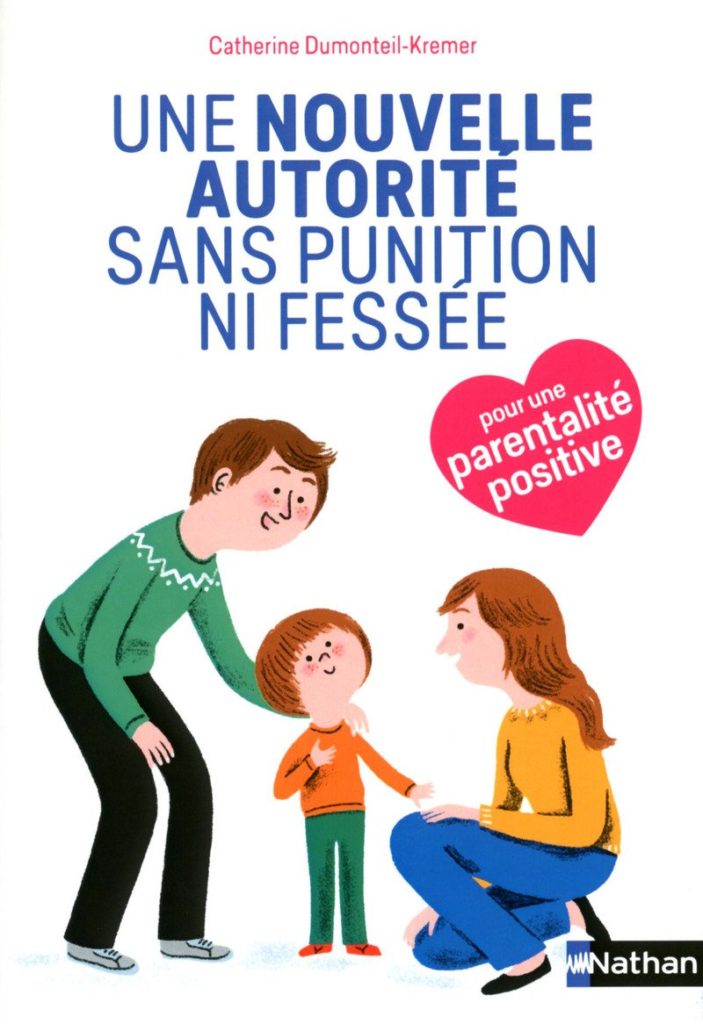
Play also gives attention, relaxes the relationship and helps everyone unwind. As parenting author Catherine Dumonteil Kremer puts it, laughter is an emotional discharge that does as much for a human being's balance as a good crying session.

Before starting, always ask your child whether they agree to be touched, and respect their wish to stop. Here are five games to try at home.
Quick takeaways
- Play and laughter release tension as effectively as a good cry.
- Always ask before touching a child during a game.
- Stop immediately when a child asks to stop, and expect the same respect in return.
- The Catch Game, Shampoo, Stop, Pizzaiolo and Yes games each target a different need.
- Short, frequent play sessions prevent tension better than occasional rescue games.
- A safe space and a clear stop signal keep play joyful.
Why Play Calms a Tense Household
When a family argument or a difficult day leaves everyone on edge, play works on the nervous system faster than reasoning. Laughter releases pressure the same way tears do, and it does so without anyone having to explain their feelings. A short, silly game can reset the mood of an entire room.
Play is also a gentle way to redirect behaviour. Instead of correcting a child who is climbing on the sofa, you can invite them into a game that channels the same energy. If you are looking for more structured ideas, these psychomotor skills games work well alongside rough-and-tumble play.
Finally, play fills the emotional reservoir. Children store up connection through attention, and adults benefit too. A few minutes of genuine fun can do more for the household climate than an hour of negotiation.
Set the Ground Rules First
Consent and a safety frame are essential before any physical game. Never force a child to play, stop as soon as they ask, and do not touch a child if you sense it makes them uncomfortable. Parents should also say when they want to stop, and children learn to respect that in return.
This mutual respect turns a game into a lesson in boundaries. It echoes the wider principle behind positive discipline approaches, where limits are held without punishment or shaming. Ask before touching, every single time, even with your own child.
Keep the space safe too: clear the floor, agree on a stop signal, and choose a moment when everyone is fed and not overtired. A game that ends in tears defeats its purpose.
| Game | What it builds | Watch out for |
|---|---|---|
| Attrape Attrape | Joy and playful power | Overstimulation; keep it short |
| The Shampoo Game | Trust around touch | Ask before touching the head |
| The Stop Game | Sense of control | Let the child end the game |
| The Pizzaiolo Game | Sensory play and imagination | Switch roles if uncomfortable |
| The Yes Game | Laughter and lightness | Keep questions silly, not about rules |
Game 1: Attrape Attrape (the Catch Game)
This is a simple chase game with a twist: the parent tries to catch the child but deliberately fails, slows down and lets themselves be caught. The point is not to win but to generate giggles and a sense of playful power for the child.
Keep the pace gentle and watch for signs of overstimulation. If your child is younger, you can adapt the energy level the way you would when choosing toys for three year olds, matching the challenge to their stage rather than pushing past it.
Stop the moment your child asks, and offer a cuddle afterwards. The game works best in short bursts of a few minutes.

Game 2: The Shampoo Game
This gentle game involves pretending to wash the child's hair, with light, slow hand movements and plenty of exaggerated sound effects. It is ideal for winding down and for children who find real hair-washing stressful.
Ask permission before touching the head, and let your child take a turn "washing" yours. The role reversal is often where the laughter comes from. For families navigating daily care routines, this playful approach pairs well with the respectful pace described in diaper removal tips, where the child's rhythm leads.
If your child tenses up, pause and check in. The game should feel like a choice, never a procedure.
Game 3: The Stop Game
In this game, the parent moves or speaks and the child calls "stop", freezing the adult instantly. The adult then waits, exaggeratedly still, until the child releases them. It gives the child a sense of control that is rare in everyday family life.
You can play it while tidying up or walking to the car, which makes it easy to slot into a busy day. It also works as a light transition tool, similar in spirit to the playful routines that help with home childcare moments when a child resists a change of activity.
Let your child be the one who decides when the game ends.
Game 4: The Pizzaiolo Game
Here the child is the pizza and the parent is the pizzaiolo, kneading dough, spreading sauce and adding toppings with gentle, rhythmic touch. Name each topping out loud and let your child choose what goes on next.
Ask before each stage of touching, and watch your child's face for cues. If they are uncomfortable, switch roles so they become the pizzaiolo. This kind of imaginative, sensory play is closely related to the creativity games children naturally invent when given room.
Finish with a pretend oven and a dramatic "ding", which usually brings the biggest laugh.
Game 5: The Yes Game
The parent asks a series of silly questions and the child answers "yes" to everything, or the other way round. The absurdity is the point: it releases tension through nonsense and lets a child practise saying yes in a safe, funny context.
Keep the questions light and unrelated to real rules or chores. This is not a negotiation tool but a mood-lifter. If you want more ideas for shared activities, these toys for four year olds offer inspiration for play that suits the age.
End the game when the laughter fades rather than when it tips into silliness that gets out of hand.
Making Play a Habit
These five games work best when they become part of the routine rather than a rescue measure. A few minutes after school, before dinner or at bath time can prevent tension from building up in the first place.
Notice which game your child asks for again, and rotate the others so novelty stays alive. Play is not a reward to be withdrawn; it is a daily dose of connection. If you are preparing for a new baby, sibling games can also help, as these tips on sibling bonds suggest.
Keep the tone warm and the rules simple. The goal is not performance but presence.

My hands-on take
In our house, the Stop Game has become the go-to when voices start rising before dinner. I simply start reaching for the fridge and announce that I am going to open it, and my youngest shouts "stop" with enormous authority. The tension breaks almost instantly, and we usually end up laughing about something completely unrelated.
What surprised me most was how much the consent rule changed things. Asking "can I tickle you?" before the Pizzaiolo game felt awkward at first, but it made my children far more comfortable saying no, and far more willing to say yes. I have also learned to stop earlier than I think I need to. The games work best when they end on a high note rather than fizzling out into tired grumbles.
Frequently asked questions
What if my child refuses to play?
That is fine and should be respected. Offer the game another time, or let your child choose a different activity. Forced play defeats the purpose of releasing tension.
How long should each game last?
Usually just a few minutes. Stop while everyone is still enjoying it rather than waiting for fatigue or conflict to appear.
Can these games be played with more than one child?
Yes, though you may need to take turns so each child gets individual attention. Watch for competitiveness creeping in and keep the tone playful.
Are these games suitable for shy or sensitive children?
Often yes, if you start with the calmest options, such as the Shampoo or Pizzaiolo game, and let the child lead the pace.
Product Reviews
 Best Toys for Dogs With High Prey Drive |
Best Outdoor Toys for 3-4 Year Olds |
Best Outdoor Toys for 6 Year Olds |
Best Harness for Poodle |
Best LEGO Sets for Adults |
Best Travel Toys for 4 Year Olds on Airplane |
Best Toy Stores in Washington DC |
Best Potty Training Toys |
Best Toys for Tripod Dogs |
Maillot equipe de france







