


This drawing-based spelling method turns abstract rules into pictures you can actually remember. French is full of traps we fall into every day, and memorising rules by heart rarely sticks for long.
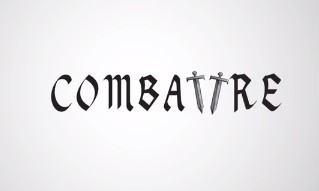
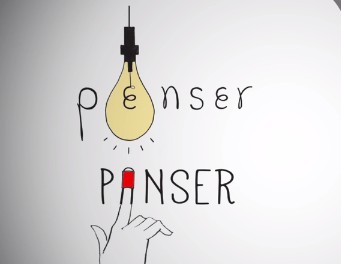
The idea is simple and original: make spelling rules graphic. Each drawing is paired with a clear explanation that recalls the basic rule, touches on etymology and flags the famous exceptions.

The approach suits children from around seven or eight, and adults who keep stumbling on the same words. It is less about rote learning and more about photographing a rule in your mind.
Quick takeaways
- Drawings turn spelling rules into memorable pictures
- Each entry gives the rule, the etymology and the exceptions
- Story, image and humour together aid long-term recall
- Sight, hearing and movement are all stimulated
- Suitable from about seven or eight, and for adults too
- The principle matters more than any single drawing
Why drawings beat rote memorisation
Most spelling problems come from words that sound alike but mean different things. A picture gives the brain something concrete to hold onto, so the correct form comes back faster than a recited rule. The method works because it links an image to a story, and the story to the spelling.
This is the same principle behind many hands-on learning tools, where children build understanding by doing rather than repeating. If you are curious about playful learning at home, these foam block toys show how construction and imagination support memory. The trick is engagement: a learner who is amused pays attention.
The author behind the method is a French-language specialist who also works on well-known spelling projects. Her books collect short illustrated entries, each one answering a question people genuinely ask themselves.

The classic confusions the books tackle
The first volume answers questions thousands of readers were already asking. Is it “cession” or “session”? “Filtre” or “philtre”? “Pause” or “pose”? “Ballade” or “balade”? And where exactly does the accent go in “chômage” and “diplôme”?
These are exactly the doubts that stop a child mid-sentence, and the same ones adults quietly check online. A visual cue removes the hesitation without a long grammar detour. For parents seeking reassurance, these blogs about motherhood offer plenty of encouragement.
A second volume of new puzzles
The second volume offers ninety-nine fresh drawings. Is it “language” or “langage”? “Evêque” or “évèque”? “Libelulle” with one l or two? Each entry keeps the same format: a memorable image, a clear rule, the etymology and the exceptions.
Working through a few entries a day keeps the exercise light. Pair it with a calm routine, much like the wind-down habits in these baby sleep solutions, so learning never feels like a chore. Remember to never be ashamed of small mistakes along the way.

| Element | What it does | Best for |
|---|---|---|
| Drawing | Creates a visual cue | Visual learners |
| Story | Links meaning to spelling | Reading aloud |
| Etymology | Explains why a word is spelled that way | Curious older children |
| Exceptions | Flags the tricky cases | Exam preparation |
| Humour | Acts as a memory hook | Reluctant learners |
How the history, illustration and humour work together
The combination of a story, an illustration and a touch of humour is what makes the spelling stick over the long term. A funny image is easier to recall than a dry rule, and the laughter itself acts as a memory hook.
The tips stimulate every channel of reception. Sight handles the images and the written stories; hearing handles the stories read aloud; movement handles the stories acted out if a child wants to. That multi-sensory approach is close to what makes sensory blankets soothing: several senses working at once reinforce the experience.
Some drawings will be harder to memorise than others, and that is fine. The real value is the principle, which acts as a springboard for inventing your own mnemonics.

Using the method with children and adults
For a young learner, the best entry point is a word they already get wrong. Show the drawing, read the story aloud, then ask them to redraw it from memory. That small act of reproduction does more than copying a word ten times.
Adults benefit just as much, especially those who freeze on certain words or usage rules. Keeping a short personal list of stubborn words and sketching a cue for each turns a private weakness into a small project.
Make it a shared activity: a child who explains a mnemonic to a parent remembers it better. For families juggling routines, the practical tips in Guille's story show how small habits fit around daily life. The same patience applies here.
Building your own memory cues
You do not need a book to start. Pick a word that trips you up, find the part of it that causes the confusion, and invent an image that makes the correct spelling obvious. The sillier the image, the better it tends to work.
Write the story down in one sentence and keep it near the desk or in a notebook. Reviewing a handful of cues each week is enough to keep them alive. This is the same low-pressure repetition that helps children settle, as described in these Twelfth Night.
Over time, the habit of asking “what picture fits this word?” becomes automatic. That reflex, more than any single drawing, is what reduces mistakes.
Where to find the books and who they suit
The two volumes are published by a French house and are available in libraries, bookshops and online. The first volume covers the classic confusions; the second adds ninety-nine new illustrated entries.
They are recommended from around seven or eight years old, and they remain useful for adults. A reluctant reader may prefer to start with the pictures alone, then read the explanations with an adult. Families thinking about school readiness often find such reference books helpful.
If you are building a small home learning shelf, treat these as reference books rather than workbooks. They reward browsing. For families who like collecting resources, browsing options like these toy stores or online catalogues makes it easy to find similar educational titles alongside everyday playthings, and those caring for children with Down syndrome may value the clear visual approach.


My hands-on take
I tried this approach with a child who kept mixing up words that sound identical. Instead of correcting the same mistake again, we drew a tiny scene for each one and told a silly story about it. Within a couple of weeks, the hesitation had mostly gone, and the drawings were still pinned above the desk.
What surprised me was how quickly the child started inventing cues alone. Some of them made little sense to me, but they worked, which is the only test that matters. I would say the method is worth trying even if you only use a handful of entries, because the habit of asking “what picture fits this word?” is what really reduces mistakes over time.
Frequently asked questions
What age is this method suitable for?
It is recommended from around seven or eight years old, when children begin meeting these spelling doubts. Adults who stumble on specific words also find it useful.
Do I need both volumes?
The first covers classic confusions like “session” and “cession”. The second adds ninety-nine new drawings, so the two complement each other rather than repeat.
Can we invent our own mnemonics?
Yes, and that is the real point. The drawings are a springboard, so a child can create personal cues for the words that trouble them most.
Is it only for French spelling?
The books address French specifically, but the story-and-image principle transfers to any language with irregular spelling.
Product Reviews
 Best Toys for Dogs With High Prey Drive |
Best Outdoor Toys for 3-4 Year Olds |
Best Outdoor Toys for 6 Year Olds |
Best Harness for Poodle |
Best LEGO Sets for Adults |
Best Travel Toys for 4 Year Olds on Airplane |
Best Toy Stores in Washington DC |
Best Potty Training Toys |
Best Toys for Tripod Dogs |
Maillot equipe de france







