


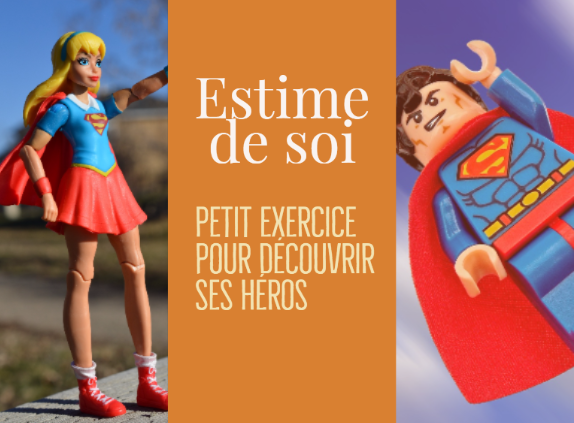
This self-esteem exercise for kids is a small, playful way to help children (and adults) discover their heroes and heroines. The idea is simple: for each category of life, name a person who inspires you and describe the qualities that touch you, then explain why.
Not every category will speak to everyone, and that is perfectly fine. The exercise can be fun, and it often leads to research, so you discover new sources of inspiration you never knew about before.

It works just as well at the kitchen table with a child as it does in a quiet moment on your own, and it costs nothing but a little attention.
Quick takeaways
- Name a hero for each category and the qualities that touch you.
- Explain why, in your own words, without judging the answer.
- Remember that admired qualities already exist in you, even in germ.
- Note situations in the following days where those qualities could help.
- Ask how your hero would react to guide your own actions.
- Adapt categories and pace to the child's age and interest.
How the Hero Exercise Works
The rule of the game is straightforward. Go through each category on the list below, and for every one, name a person who inspires you and the qualities that touch you, then say why. Some categories will leave you blank, and that is part of the exercise rather than a failure.
If a child hesitates, invite them to think about people they have seen in books, at school, in the family, or on screen. A little curiosity goes a long way: the exercise can lead to research and to discovering new sources of inspiration that were unknown until now.
Keep the tone light. This is not a test, and there are no right answers. If your child is still very small, short picture books and simple toys can help them stay focused while you talk, much like the calm play encouraged with toys for babies.
The Twelve Categories to Explore
Work through the list in any order you like, and skip whatever does not resonate. The categories are: politics; spirituality or religion; sport; literature; family; friendship or another relationship; a fictional or legendary character (hero or heroine); business; song; cinema; and associations or social causes.
Children often surprise us. A child may name a grandparent for courage, a singer for kindness, or a fictional character for loyalty. What matters is not the fame of the person but the quality your child sees in them.
If a category feels too abstract, adapt it. For a young child, "business" might simply mean someone who runs the local shop, and "association" might mean a neighbour who helps others. Everyday examples can help too, much like the industrial ice creams many parents remember from their own childhood.
Making It Concrete
For each example, list the elements of that person's life that inspire you and the qualities that touch you most. Write them down together, or draw them if your child prefers. A few coloured pencils and a sheet of paper are enough, and the same spirit of simple, hands-on play works well with foam block toys when a younger sibling wants to join in. If a parent is feeling unwell, treating heartburn can help keep the session calm.
| Category | Who inspires you | Quality you admire |
|---|---|---|
| Politics | ||
| Sport | ||
| Family | ||
| Literature | ||
| Fictional character | ||
| Song or cinema |
The Qualities You Admire Are Already in You
Here is the heart of the exercise: the qualities that touch us in these heroes are necessarily in us, even in germ. When a child admires generosity, patience, or courage in someone else, that admiration is a sign that the seed of the quality already exists in them.
This is why the exercise builds self-esteem. It does not ask a child to compare themselves to a hero and feel small. It asks them to recognise, in their own words, something they already value and can therefore grow.
Adults benefit from the same reflection. Naming what moves you in another person is a gentle way to reconnect with parts of yourself that daily life may have pushed aside.
Turning Heroes into Everyday Guidance
To complete the list, keep a small notebook in the following days. Note the situations in which you could call on these qualities, or ask yourself how one of these heroes or heroines would have reacted.
Then let yourself be inspired to guide your actions. A child who admires a sportsperson for perseverance can ask themselves what that person would do when homework feels hard, and the answer often comes quickly. As with the best toys, the right tool makes all the difference.
This habit of asking "what would my hero do here?" is a simple, portable tool. It works at school, at home, and in friendships, and it grows more useful with practice, much like the choices we weigh when going to work or being present for a child.

Adapting the Exercise to Different Ages
With younger children, keep the conversation short and concrete. Ask about people they know rather than famous figures, and let them draw the person and the quality. A relaxed moment, perhaps after a nap or quiet play, works better than a formal sit-down, much like the restful routines suggested in rest during pregnancy for tired parents.
With older children, add a little research. Looking up the life of a singer, an athlete, or a writer together turns the exercise into a small project and gives the conversation more depth. You might even ask Which LEGO Movie Character they would choose to represent a quality they admire.
Teenagers may resist at first. Offer to do it alongside them rather than to them, and share your own answers honestly. The exercise often opens a door to deeper conversation about identity and values, and it pairs naturally with the kind of shared, screen-free time described in Rubik's cube play. As Ana Morgade's reflection shows, honest conversations about identity can be deeply meaningful.
Why This Small Exercise Matters
Self-esteem is not built by praise alone. It grows when a child can name what they value, recognise it in themselves, and use it in daily life. This exercise offers all three in a single, low-pressure activity.
It also strengthens emotional vocabulary. Describing why a person inspires you requires words for qualities like patience, honesty, or determination, and those words become tools a child can use later.
Finally, it is a shared activity. Doing it together signals that you are interested in how your child sees the world, which matters as much as the exercise itself.
My hands-on take
I tried this exercise with my own child on a rainy afternoon, expecting it to last five minutes. It lasted nearly an hour, mostly because the "fictional character" category turned into a long discussion about why a certain brave heroine always keeps her promises.
What struck me most was how easily my child named qualities I had never heard them put into words before. I wrote the answers down in a notebook, and in the following days I found myself asking, quietly, how that heroine would have handled a difficult moment. It has become a small family habit, and one I recommend trying without any pressure to fill every category.
Frequently asked questions
What age is this exercise suitable for?
It works from the moment a child can talk about people they know, and it adapts upward for teenagers and adults. With very young children, keep it short and use people from their daily life rather than famous figures.
What if my child cannot name anyone in a category?
That is normal and part of the exercise. Skip the category, or use it as an invitation to research together and discover new sources of inspiration.
Is it a problem if my child admires a fictional character?
No. Fictional and legendary heroes are explicitly part of the list, and the qualities a child sees in them are just as meaningful as those seen in real people.
Can adults do this exercise too?
Yes. The exercise is designed for children and adults alike, and many adults find it a useful way to reconnect with qualities they value in themselves.
Product Reviews
 Best Toys for Dogs With High Prey Drive |
Best Outdoor Toys for 3-4 Year Olds |
Best Outdoor Toys for 6 Year Olds |
Best Harness for Poodle |
Best LEGO Sets for Adults |
Best Travel Toys for 4 Year Olds on Airplane |
Best Toy Stores in Washington DC |
Best Potty Training Toys |
Best Toys for Tripod Dogs |
Maillot equipe de france







