


Encouragement and validation are the quiet engines behind a child's confidence, and one picture book captures that idea with unusual grace. This is a story about a small boy who feels very small, and about a mother who finds the right words to lift him back up.
Archibald has lost a tennis match, and he is convinced he is simply "really no good" at it, no matter how much he practices. On a walk together, his mother asks him a series of simple questions about a bird, a butterfly and an apple tree — questions that quietly change how he sees himself.

Quick takeaways
- A boy loses at tennis and decides he is simply "no good"
- His mother widens the frame with questions about a bird, a butterfly and a tree
- The real question is how you are gifted, not whether you are
- He searches for what he loves and practises it patiently
- Family support carries him through moments of discouragement
- A gentle read for children from about three, and for adults too
A Story About Losing and Feeling Small
The book opens with a feeling most children recognise immediately: the sting of losing. Archibald has been practising a lot, yet the results do not follow, and he tells his mother plainly that he is "really not gifted". It is a raw, honest moment, and it sets up everything that follows.
Rather than arguing or offering empty praise, his mother takes him for a walk in nature. That choice matters: she does not dismiss his disappointment, she simply gives him room to breathe and to think. For parents looking for outdoor toys that get children moving and practising a skill without the pressure of competition, this is a useful reminder that practice and play are not the same as winning.

The Questions That Change Everything
On the walk, the mother asks her son whether he believes the bird is not gifted because it cannot swim, the butterfly because it cannot sing, or the apple tree because it cannot fly. Each question is gentle, almost playful, and none of them requires a lecture.
Archibald understands the point on his own: everyone is gifted at something, and each of us carries inside what we truly love. The real question is not whether you are gifted or intelligent, but how you are gifted and how you are intelligent. That shift in perspective is the heart of the book, and it is the kind of educational toy thinking that helps children explore their own strengths at their own pace.
Encouragement Without Empty Praise
Notice that the mother never tells her son he is brilliant at tennis. She simply widens the frame, so that a single defeat stops defining who he is. For anyone wondering how to speech therapist conversations about a child's struggles might help, the lesson here is that questions often do more than answers. The same patient approach applies to everyday worries, such as back contractures from carrying little ones, and to heavier topics like the Blue Whale challenge.

| Situation | Common reaction | What the book models |
|---|---|---|
| Child loses a match | "You'll win next time" | A quiet walk and open questions |
| Child says "I'm no good" | "That's not true" | Widening the frame with nature examples |
| Child struggles | Extra pressure to practise | Space to find what they love |
| Child improves | Praise for the result | Support for the effort and interest |
| Child doubts again | One big talk | Steady, everyday encouragement |
Finding What You Truly Love
Once the frame widens, Archibald begins searching for what he loves most — the meeting point between what he does well and what he enjoys doing. He tries things, practises, improves and spends time on the activity that feels genuinely his.
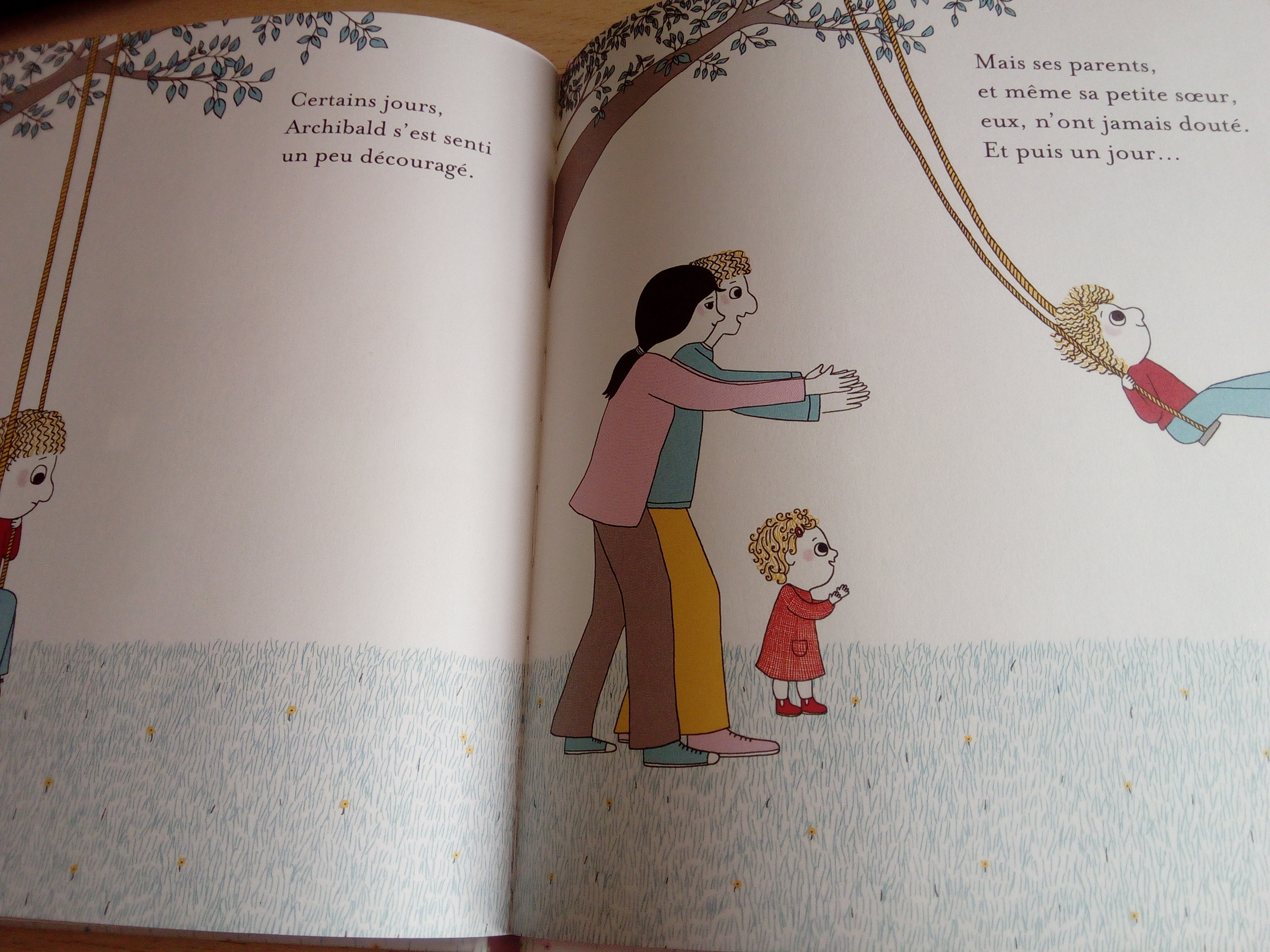
When discouragement returns, his family is there to support him, and eventually he offers the full extent of his talent to the world. This is a slow, believable arc rather than a magic fix, and it is exactly the message behind many of the quiet toys that let children concentrate and build a skill quietly over time.

Why This Book Works for Children and Adults
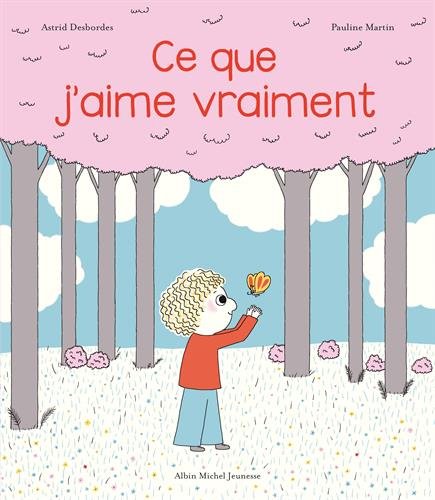
Written by Astrid Desbordes and illustrated by Pauline Martin, the book brings back the character of Archibald, already the hero of beloved titles about love and a new baby sister. The text is poetic and precise, and the illustrations carry the same tenderness as the words.
It is a book for children who doubt themselves, from about three years old, but it speaks just as directly to adults. The final page — "he felt like an apple tree, a butterfly and a bird" — is a small masterpiece of reassurance. Parents who care about rewarding children without food or pressure will find a gentler model here: encouragement, patience and presence.
A Book to Keep on the Shelf
This is the kind of album that belongs in every home library and every classroom corner, to be read and reread. Its message of unconditional love and kindness is a genuine gem, and it never feels preachy.
Reading It Together: Practical Ideas
Read the book slowly and pause after each of the mother's questions, letting your child answer. Ask them what they think the bird, the butterfly and the apple tree are good at, and then ask what they themselves love doing.
Keep a small list of the things your child enjoys and practises, and revisit it on difficult days. Pair the reading with calm, focused play — the sort of LEGO sets building or drawing that rewards persistence rather than results — so that effort becomes its own reward. These practical parenting ideas work well alongside a gentle back to school routine.
Finally, remember that encouragement is a habit, not a single conversation. A few minutes of genuine attention each day does more than a long talk after a defeat, and it helps children feel seen for who they are rather than for what they win.


My hands-on take
I have read this one aloud more times than I can count, and the questions always land differently depending on the day. What struck me first was how little the mother says. She does not launch into a speech about talent or effort; she just asks, and then waits. My own instinct is usually to reassure quickly, and the book quietly showed me that waiting is often more useful.
In practice, I started doing something small: after a hard afternoon, I ask one open question and then stay quiet. Sometimes nothing comes out, and that is fine. Other times a child tells me exactly what went wrong and what they want to try next. The last page still gets me every time — that image of feeling like a tree, a butterfly and a bird is a lovely thing to leave a child with at bedtime.
Frequently asked questions
What age is this book suitable for?
It is aimed at children from about three years old, though the message resonates well beyond that. Adults reading it aloud often find it just as meaningful.
Is it part of a series?
Yes, Archibald is the central character in several other picture books by the same author and illustrator. Readers who enjoy this one will recognise the same gentle tone and style.
Does the book promise that practice always leads to winning?
No. It focuses instead on finding what you genuinely love and on being supported through discouragement, which makes the message more honest and more durable.
Can it help a child who doubts themselves?
It is written precisely for children who lack confidence. Reading it together and pausing on the questions gives you an easy way into a conversation about strengths.
Product Reviews
 Best Toys for Dogs With High Prey Drive |
Best Outdoor Toys for 3-4 Year Olds |
Best Outdoor Toys for 6 Year Olds |
Best Harness for Poodle |
Best LEGO Sets for Adults |
Best Travel Toys for 4 Year Olds on Airplane |
Best Toy Stores in Washington DC |
Best Potty Training Toys |
Best Toys for Tripod Dogs |
Maillot equipe de france







