


Helping children go toward others and defend them is one of the most useful things a parent can do, and it starts with something deeper than good manners. Moral reasoning and emotional literacy do not guarantee kind behaviour, and neither does being able to take another person's perspective.
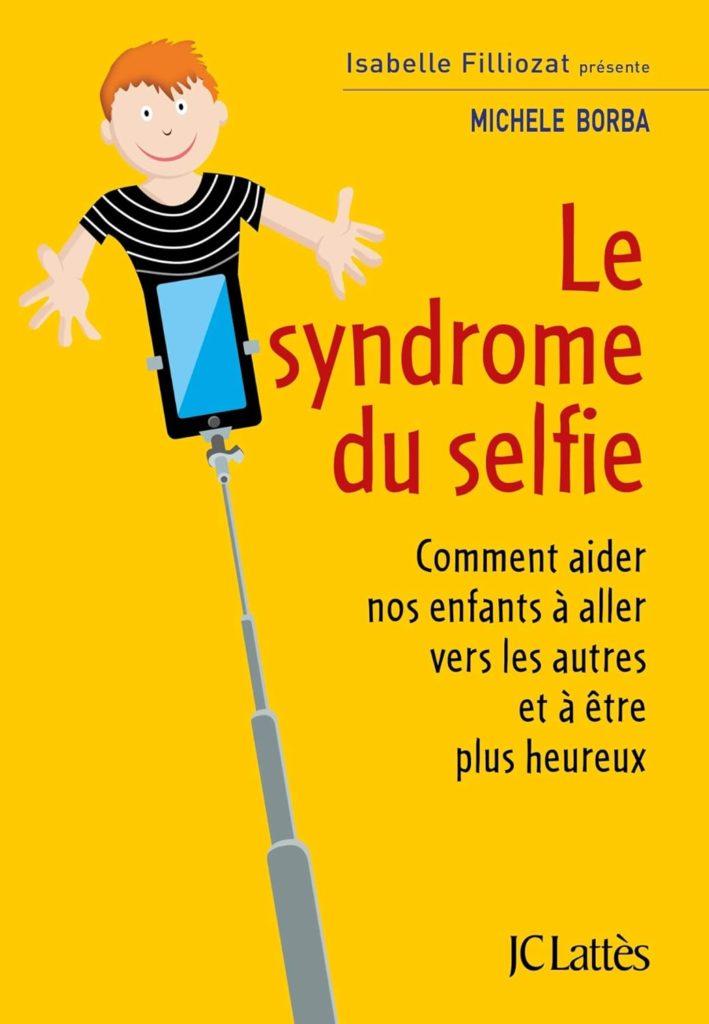
As psychologist Michele Borba points out, a child also needs to see themselves as someone who cares about others and to value other people's thoughts and feelings. That self-image is what turns understanding into action when a real situation appears.

Quick takeaways
- Understanding feelings does not automatically produce kind behaviour.
- Children act well when they see themselves as caring people.
- The conscience test turns values into a quick internal check.
- REFUSE gives children words, posture and an exit plan.
- Children only ask adults for help if they trust them.
- Everyday rehearsal matters more than one big talk.
Why understanding feelings is not enough
It is tempting to assume that a child who can name emotions and reason about fairness will automatically act well. In practice, knowing what is right and doing it are two different skills, and the gap between them shows up most clearly in group situations.
Borba's point is that empathy needs a foundation: the child must value what others think and feel, and must picture themselves as a kind, attentive person. Without that identity, perspective-taking becomes an intellectual exercise rather than a reason to act.
What parents can actually shape
You cannot force kindness, but you can build the conditions for it: name caring behaviour when you see it, talk about how choices reflect who we are, and let children practise small acts of help. Everyday routines matter here, much like the steady habits described in motivating young children or the simple rituals in happy family keys.
The conscience test for moral decisions
When a child faces an injustice or a group pressure, Borba suggests a "conscience test". The child first restates the dilemma in their own words: should I agree with my friend and mock someone, or should I join my group and take part in this online harassment?
Then comes the key question: "Is this really me?" The child checks whether the action feels like a yes or a no inside. To make that question concrete, several versions exist, and children can pick the one that speaks to them most.
The different versions
The golden rule test asks whether I would like someone to do this to me. The "who am I?" test asks whether the act goes against my beliefs. The public announcement test asks whether I would still do it if a teacher announced it in a meeting, and the newspaper test asks whether I would do it if it made tomorrow's front page.
The family test asks whether the act breaks my family's values, even if my grandmother heard about it. The "does it help or hurt?" test allows only what helps someone. The GENI test checks whether it is kind, a good example, necessary and irrefutable; if not, I do not do it, say it or write it. These questions work well alongside the social skills explored in autism spectrum interaction, where explicit rules help children read situations.
| Conscience test | Question the child asks | Best used when |
|---|---|---|
| Golden rule | Would I like this done to me? | Teasing or exclusion |
| Who am I? | Does this go against my beliefs? | Group pressure |
| Public announcement | Would I still do it if announced publicly? | Online behaviour |
| Family | Does this break our family values? | Doubt about loyalty |
| Help or hurt | Does it help or hurt someone? | Quick everyday choices |
| GENI | Is it kind, an example, necessary, irrefutable? | Messages and posts |
The REFUSE strategy for saying no
Once a child decides a situation does not match who they want to be, they still need words and a body that carry the message. Borba offers the REFUSE strategy, a step-by-step way to say no without losing confidence.
From reminder to exit
R stands for reminding yourself who you are: is this person asking me to do something dangerous, mean or against what matters to me? If so, I can refuse. E means expressing what I believe with a prepared phrase such as "that's not my thing", "that's not kind" or "that's called harassment and I don't want to be part of it".
F is firmness in the voice: steady, strong and calm signals that the position is not negotiable. U means uniting body and words, with shoulders back, feet planted, hands along the body, chin up and eyes meeting the other person. S is chanting no, because repeating the single word avoids losing confidence in justifications. The final E is exit: leave, take the victim with you, or fetch an adult.
Why children need to trust adults
The exit step only works if children believe adults will listen, believe them and support them. When a child comes to ask for help, the response they receive shapes whether they will ask again.
The same is true for teenagers, who must be sure they will be supported rather than punished when they call a parent to get out of a bad situation. If young people fear punishment or fear not being believed, they will try to handle it alone, and the strongest or loudest may win while their conscience goes quiet.
Building that trust day by day
Small moments of being taken seriously build the confidence that matters in a crisis. Listening without immediate judgement, taking reports of unkindness seriously and staying calm when a child admits a mistake all send the same message: you can come to me. This is the same steady, responsive presence that supports children through other challenges, from the everyday care described in pacifier cleaning debate to bigger questions like Down Syndrome awareness or molluscum skin bumps.
Practising kindness in everyday family life
Moral conscience grows through repetition, not through lectures. Children who regularly help at home, notice when someone is left out and hear their efforts named are building the self-image Borba describes.
You can also prepare children for social situations before they happen: talk through what to do if a friend starts teasing someone, rehearse a firm phrase, and agree on a signal for leaving a situation. Preparing for the school route, as in school route tips, is a natural moment to talk about how to treat classmates on the way.
Making it playful
Role-play keeps these skills light. Children can act out a scene where one friend pressures another, then swap roles. Creative play supports this kind of rehearsal, much as Montessori crafts and baby sign language build communication in their own way, and the same spirit of playful learning appears in learning toys.

My hands-on take
I have used the "is this really me?" question with my own children, and the surprising part was how quickly they answered. The hesitation usually came earlier, when they had to admit what the group was actually asking them to do. Naming it out loud made the decision much easier.
What helped most was rehearsing the exit. We practised a short phrase and a way to leave, and I promised that a phone call home would never end in a lecture. That promise did more for their confidence than any explanation I gave about kindness.
Frequently asked questions
At what age can children use a conscience test?
The questions work best once children can reflect on their own behaviour, which usually develops gradually through the primary years. Younger children benefit from the simpler versions, such as the golden rule and the help-or-hurt question.
What if my child is the one being pressured, not the one pressuring?
The same tools apply. Practise a firm phrase, agree on an exit plan and make sure your child knows you will support them without punishment if they call for help.
How do I respond when my child tells me about bullying?
Stay calm, take it seriously and make clear you believe them. Then work together on a concrete next step rather than reacting with anger or blame.
Does this approach stop children from thinking for themselves?
No. The tests are questions, not rules imposed from outside, and children are invited to choose the version that means most to them. The aim is to help them hear their own values more clearly.
Product Reviews
 Best Toys for Dogs With High Prey Drive |
Best Outdoor Toys for 3-4 Year Olds |
Best Outdoor Toys for 6 Year Olds |
Best Harness for Poodle |
Best LEGO Sets for Adults |
Best Travel Toys for 4 Year Olds on Airplane |
Best Toy Stores in Washington DC |
Best Potty Training Toys |
Best Toys for Tripod Dogs |
Maillot equipe de france







