


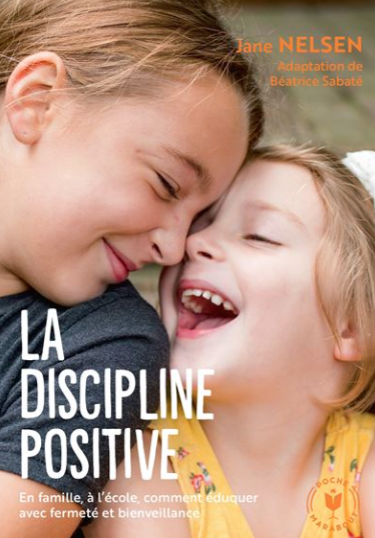
Gaining children's cooperation is rarely about winning an argument; it is about creating the conditions in which a child chooses to work with you. The four steps below come from the positive discipline approach described by Jane Nelsen, and they offer a calm route through a difficult moment without blame, punishment or lecturing.
Each step builds on the one before: first the child feels understood, then the adult explains their own view, and finally the child is invited to find a solution. The order matters, because a child who feels heard is far more open to listening in return.

Quick takeaways
- Understand the child's emotion before anything else
- Show empathy without excusing hitting, insulting or breaking things
- Share your own worry and invite the child to see the other person's view
- Let the child propose a repair or a solution, then encourage them
- Check your own intentions so cooperation never becomes manipulation
- Keep the whole conversation calm, private and free of distractions
Show the Child You Understand Their Emotions
Understanding starts with curiosity. Ask the child what they felt in a given situation or after a decision, rephrase what you heard, or simply describe what happened without judgement. Sentences such as “I imagine that must have been unpleasant when…” or “I understand you felt embarrassed, angry or left out” do a lot of quiet work.
This step only works in calm conditions, when neither adult nor child is shouting, sulking or simmering. A consented hug, a gentle touch or simply sitting beside the child can open a peaceful contact. Keep the tone caring and free of distractions, and stay respectful, with no criticism and no moralising.
An Attentive, Non-Judgemental Attitude
Being attentive means putting the phone away and keeping siblings from interrupting, so the child has your full presence. Much of this patience is built at home through everyday routines, and even small habits such as starting cereals or a predictable bedtime help children stay regulated. A calm child is a child far more able to talk.
Show Empathy Without Excusing the Act
Jane Nelsen describes empathy as the adult's effort to understand the child's perception and inner world. Crucially, empathy is not approval: you can fully understand why a child hit, insulted, broke or took something without ever suggesting the act was acceptable.
Sharing a similar memory of your own can spark the child's interest and show that these feelings are human. A short, honest story about a moment you felt the same way often lands better than a lecture, and it keeps the child listening rather than defending themselves. As movies about real motherhood often show, honest stories connect more than lectures.
Separate the Feeling From the Behaviour
Name the emotion as legitimate while keeping the limit firm. This distinction is the heart of the method, and it echoes the care we show in other sensitive parenting moments, from mumps symptoms to the first weeks with a newborn and newborn bilirubin checks. Understanding a feeling never means endorsing the action that followed it, just as knowing how spoiled children develop does not mean blaming them.

| Step | What the adult does | What the child learns |
|---|---|---|
| 1. Understand | Asks about feelings, rephrases, stays calm | My emotions matter and are heard |
| 2. Empathise | Understands without approving the act | Feelings are allowed, actions have limits |
| 3. Share | Explains worries and consequences | Others have feelings too |
| 4. Solve | Asks for ideas, encourages, supports | I am capable of fixing things |
| Throughout | Avoids blame, lectures and moralising | Cooperation is safe |
Share Your Own Feelings and Perceptions
Once the child feels heard, it is your turn. Say clearly what troubles you in the situation, draw attention to the dangers and consequences of the child's words or actions, and reflect on what others may have felt. This is not a lecture; it is honest information delivered calmly.
Invite the child to put themselves in the other person's place: the friend who was bitten, hit or insulted, or the person whose belongings were taken. Naming your own worry, rather than your anger, keeps the conversation safe and gives the child something concrete to respond to.
Keep It Short and Specific
One clear sentence about your concern is usually enough. Long explanations invite tuning out, whereas a brief, specific statement leaves room for the child to think. This same principle of short, clear communication serves well in many family situations, whether you are planning family plans in May or choosing learning toys for a younger sibling.
Invite the Child to Find a Solution
Now hand the problem back, gently. Ask whether the child has ideas to repair the damage caused or to avoid the situation next time: “Do you have an idea to make things right with …?” or “What could you do so this doesn't happen again?” When ideas are scarce, offer suggestions until you reach an agreement that suits you both.
Whatever the outcome, encourage the child. Praise the idea out loud (“That sounds like a good one!”) and support them physically if needed, for example by standing beside them while they apologise. Feeling capable of building a solution is what makes the lesson stick.
Check Your Own Intentions First
Before using these steps, ask yourself honestly: am I trying to make the child give in or to manipulate them? What is my long-term goal? At what point does my need for cooperation harm the child's developing personality? This self-reflection keeps the method ethical rather than a clever technique.
Why This Approach Builds Lasting Cooperation
Following these four steps resolves a problematic situation without condemning, blaming or moralising. The child comes out of it feeling valued, because they were treated as someone capable of understanding and repairing. That sense of competence is a life lesson that carries into future behaviour.
The method is not a quick fix, and it works best when the adults around the child are consistent. The same spirit of calm, respectful guidance applies to everyday logistics, from putting twins to sleep to choosing outdoor toys that let children burn energy before a difficult conversation. The same patience helps when choosing small mammals as first pets.
Over time, children who are regularly invited to solve problems tend to need fewer reminders and less negotiation. They learn that mistakes are moments to repair rather than reasons to hide, and that the adults in their life are allies rather than judges.

My hands-on take
I have used these four steps most often after a squabble over toys, and the hardest part for me is always the first one. My instinct is to explain, correct and move on, so I have learned to slow down and ask what actually happened before I say anything about the rules. When I manage it, the difference is obvious: the child stops defending and starts talking.
The step I find most useful is the last one. Handing the problem back, even with a simple “what could you do about it?”, produces surprisingly practical ideas, and the child often follows through far better than when I impose a solution. I still forget the self-reflection question, but when I remember to ask what my real goal is, the whole conversation becomes less about winning and more about teaching.
Frequently asked questions
What if my child refuses to talk about their feelings?
Start with presence rather than words. Sitting nearby, offering a consented hug or simply describing the situation without judgement often opens the door later. The conversation can always happen once everyone is calm.
Does showing empathy mean I let bad behaviour slide?
No. Empathy means understanding the child's perception, not approving what they did. You can fully understand why a child hit someone while still making clear that hitting is not acceptable and needs repairing.
What if the child has no ideas for a solution?
Offer a few suggestions yourself and work towards an agreement that suits you both. The goal is a solution the child genuinely accepts, not one imposed on them, so keep the tone collaborative.
How long should I wait before starting this conversation?
Wait until both of you can speak without shouting, sulking or getting worked up. A short pause after a conflict usually helps, and the steps work far better once the emotional temperature has dropped.
Product Reviews
 Best Toys for Dogs With High Prey Drive |
Best Outdoor Toys for 3-4 Year Olds |
Best Outdoor Toys for 6 Year Olds |
Best Harness for Poodle |
Best LEGO Sets for Adults |
Best Travel Toys for 4 Year Olds on Airplane |
Best Toy Stores in Washington DC |
Best Potty Training Toys |
Best Toys for Tripod Dogs |
Maillot equipe de france







