


Mental load in family life means thinking about everything, organising and executing without pause, whether at work or at home, and it is exhausting both physically and emotionally.
Most conversations about this invisible work focus on couples, but the field is wider: every member of the household, children included, can carry a share. Building children's autonomy step by step lightens the parents' load and gives kids back what genuinely belongs to them: taking care of themselves and their own needs.

This article explores how to do that in practice, without turning the home into a parental desert.
Quick takeaways
- Mental load is exhausting physically and emotionally, and it concerns the whole family, not only couples.
- Autonomy is built step by step, respecting each child's abilities and rhythm.
- Doing for a child what they can do themselves undermines confidence and responsibility.
- Ask "whose problem is this?" and let the owner handle it, with help rather than replacement.
- Responsibility needs limits, respect and empathy, not a parental desert.
- Teach children to think in solutions rather than relying on adults for ready-made answers.
Build children's autonomy to lighten your own mental load
An overloaded mental load can even stop us from raising our children the way we believe in. Autonomy is not decreed overnight: it is built step by step, respecting each child's abilities and rhythm.
Doing things for children when they are capable of doing them, whether to go faster or to feel useful as a parent, infantilises them. It also blocks the development of self-confidence and of individual and collective responsibility. A family calendar displayed in the kitchen is a simple tool: each member takes charge of their own needs, and everyone can see what is coming.
For example, an eight-year-old can remember that swimming class is tomorrow, prepare the bag the night before and hang wet things to dry afterwards. The same principle applies to play: letting a child build alone supports making towers and the patience that comes with it.
One guiding question: whose problem is this?
A single question can guide the whole process: "Whose problem is this?" The person the problem belongs to is the one who will handle it. They may ask for help, but help is not the same as someone doing it in their place.
This idea of responsibility is a pillar of Jesper Juul's thinking, and it echoes the way autonomy is constructed in Maria Montessori's approach. Juul defines individual responsibility as the responsibility we have for our own life: our physical, mental, psychological and spiritual health and development.
Very few of us were educated to take it on, yet it is the most effective and powerful responsibility we know when it comes to rebuilding what has been stunted and bringing creative energy to the community. It also shapes how we respond when a child away from home calls asking to come back, and why his own space matters from the start.

| Situation | Belongs to | Useful parent response |
|---|---|---|
| Providing food, housing, safety | Parent | Organise and secure, without negotiating |
| Packing the swimming bag | Child | Remind once, then let the calendar do the work |
| Tidying own belongings | Child | Show the method once, then step back |
| Family calendar updates | Everyone | Review together weekly, no silent fixing |
| Asking for help | Whoever owns the problem | Offer support, not replacement |
Avoiding the parental desert
Encouraging individual responsibility in children must not lead to a "parental desert": no framework, no limits, no respect, no consideration for others, no capacity for empathy. That is not autonomy; it is abandonment.
Parents can instead ask themselves a real question: are we raising our children to build a solid inner authority that will help them face their own social and existential choices, or are we teaching them to place all their faith in an external authority of a political, religious or philosophical nature?
This also means parents reclaiming their own limits, wishes, needs and emotions, and expressing them without criticising, without blackmail and without counting on one-sided, guaranteed cooperation from children. Clear boundaries protect everyone's energy, much like a calm bedtime routine protects sleep, as explained in baby sleeps well.
Helping children usefully: how much is too much?
Some things belong to the parent: providing a roof, food, safety. Others belong to the child: remembering sports gear for the swimming lesson, tidying their belongings. If we do the small, thankless tasks for a young child out of love, there is a strong chance that, once we judge them old enough, they will see that task as a constraint or a punishment.
Helping usefully is a guarantee that personal responsibility develops. If we never let a child try alone, if we do it in their place, self-confidence and self-esteem suffer, along with willpower, perseverance and the ability to take initiative.
The right dose of help matters, and Montessori's philosophy offers useful landmarks on this. We can also teach children to think in terms of solutions rather than unloading on us: "What can you do about this problem? What solution do you have in mind? How can you make sure you remember?"
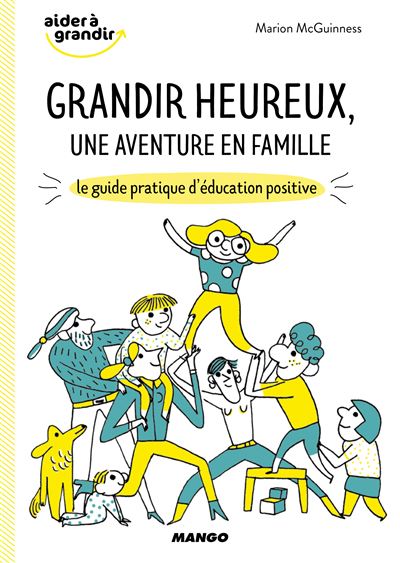
Age landmarks for sharing the mental load
Sharing the mental load is not only about chores; it is also about letting children own the small details of their daily life. A child who packs their own bag, checks the calendar and reports what they need is practising exactly the skills that later support school life and friendships, including the social questions covered in popular at school.
From around age two, a child can already take part in simple routines: putting dirty clothes in the basket, carrying their plate, choosing between two outfits. The point is not perfection but repetition, so the habit belongs to the child rather than to the parent's memory.
As children grow, the scope widens naturally: homework materials, sports kit, screen time, and even the choice of activities. Some families find that structured play and hobbies give children a sense of ownership, whether through a hormone game or a first sport chosen together, such as those discussed in martial arts.
Making the calendar work in real life
A family calendar only lightens the mental load if it is visible, simple and genuinely used by everyone. Keep it in a shared space, write only what each person must remember, and review it together once a week rather than silently correcting forgotten items.
Parents can also model the process: naming their own needs out loud, asking for help without expecting mind-reading, and accepting that a child's solution may differ from theirs. This is the same patient, respectful stance that supports early development in so many areas, from feeding challenges like baby bites breastfeeding to the everyday care described in cosmetics during pregnancy. It is also the spirit behind the idea that children improve our lives rather than upend them.
Over time, the goal is a household where each person knows what belongs to them, asks for help when needed, and trusts that help will not turn into someone else taking over.

My hands-on take
In our home, the change started with one small ritual: every Sunday evening we look at the calendar together and each person says out loud what they need to remember that week. I stopped checking bags silently and started asking, "What's your plan for tomorrow?" The first weeks were messy, with a forgotten kit and a wet towel left in a bag, but the mess was theirs, and it taught more than my reminders ever did.
What surprised me most was how much lighter my own evenings felt once I stopped holding everyone's schedule in my head. I still help, and I still remind sometimes, but I try to ask first whether help is wanted or whether I am simply taking over. That single question has changed the tone of our household far more than any chore chart.
Frequently asked questions
At what age can a child start helping with the mental load?
There is no single age, but simple routines can begin around age two, such as putting clothes in the basket or choosing between two outfits. The scope grows gradually as the child's abilities and rhythm allow.
Does giving children responsibility mean letting them do whatever they want?
No. Responsibility needs a framework, limits, respect for others and empathy. The aim is a solid inner authority, not the absence of parental guidance.
What does "whose problem is this?" mean in practice?
It means identifying who owns the problem and letting that person handle it. They can ask for help, but help should not become someone else doing it in their place.
How do I stop doing everything for my child out of habit?
Start with one task your child is capable of and hand it over completely, accepting an imperfect result. A visible family calendar helps everyone remember what belongs to them.
Product Reviews
 Best Toys for Dogs With High Prey Drive |
Best Outdoor Toys for 3-4 Year Olds |
Best Outdoor Toys for 6 Year Olds |
Best Harness for Poodle |
Best LEGO Sets for Adults |
Best Travel Toys for 4 Year Olds on Airplane |
Best Toy Stores in Washington DC |
Best Potty Training Toys |
Best Toys for Tripod Dogs |
Maillot equipe de france







