


Tantrums in children are often described as insistent demands that seem incoherent to adults and can escalate into full-blown crises, such as a child rolling on the floor to get a candy. Maria Montessori spoke of a "mystery to be unraveled" when describing these episodes. Rather than seeing them as manipulation, we can learn to read them differently.
What everyday language calls a "tantrum" is always motivated by needs that children cannot yet identify. Some children say they are hungry when they are bored or tired, or when they are actually sad. There is always a "good" reason behind a behavior, a positive reason that can be found beneath what we see and hear.

Quick takeaways
- A "tantrum" is always motivated by a need the child cannot yet name.
- Recognize suffering with empathy before trying to calm or advise.
- The magic word is "yes": acknowledge the emotion, not the demand.
- Resistance to frustration is built slowly with caring adult support.
- A wish list or wish board lets desires exist without immediate purchase.
- Reasoning in needs and emotions is learned; be kind to yourself.
Tantrums and hidden needs
When we are tempted to label a child's demands as tantrums, we can try instead to reason in terms of hidden needs, intentions and motivations linked to the child's emotional state. This does not mean giving in to every request. If a child asked to drink bleach or jump from a fourth-floor window, we would obviously not allow it.
What it does mean is being ready to receive the emotional discharge that follows, emotions driven by physiological, affective or bodily needs. Keeping a simple list of needs visible at home helps you stay attentive to what is really going on. Just as you would Montessori housework by age, you can match your response to the child's real state. Approaching each moment always together keeps that connection at the center.
Reading the signal, not the demand
A child who melts down over a small thing is often signaling something larger. Learning to control his aggression starts with adults naming what they observe rather than reacting to the surface behavior, much like the patience needed in a diaper cake step.
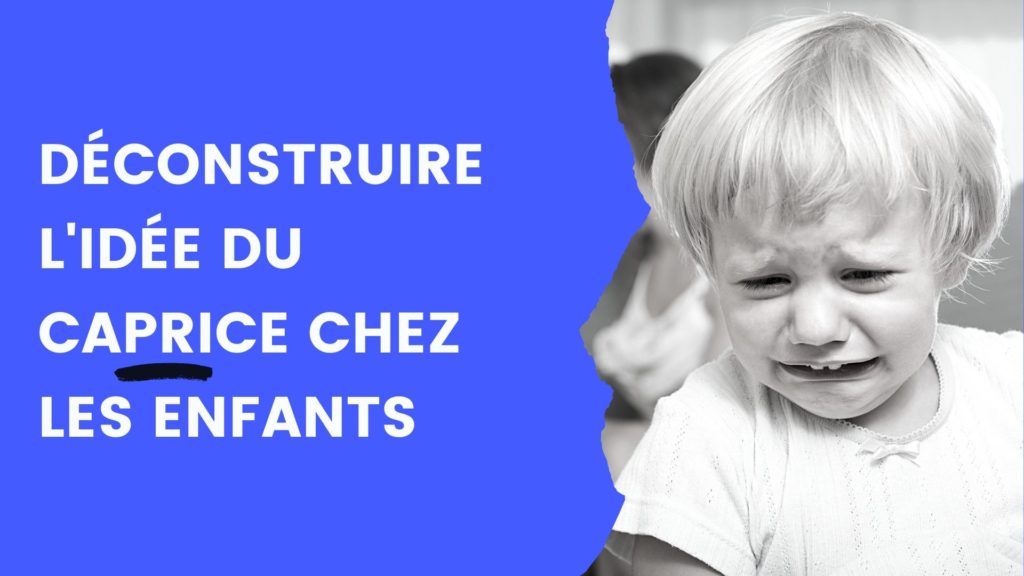
Tantrums and empathy
A child in crisis, who opposes and suffers, first needs their suffering to be recognized, seen and heard. They need to feel met with empathy and understood right where they are, without anyone trying to calm them, advise them or distract them. When a child receives empathy and their emotions are acknowledged, they truly relax and feel accepted with everything they are going through.
The magic word here is "yes." You can tell a young child: "Yes, this is really hard what you are living right now; yes, it hurts and I can see it is difficult." The bubble of tension deflates, and the child may even burst into tears. Those tears should be welcomed for as long as the child needs.
It helps to step away from the scene to avoid judgmental looks and allow a return to calm through a change of setting, movement, a cuddle or something else that meets the child's needs without frightening them. Some children will accept being approached and hugged; others will tend to flee or cry harder. In that case, stay at a distance while remaining present, without taking the child's resistance personally. This is the same patience you need when you he wants again and needs reassurance rather than pressure. The same steady, empathetic presence also matters when you handle sleep concerns calmly.

| Aspect | Need | Want |
|---|---|---|
| What it signals | Physiological, affective or bodily state | A desire or preference |
| Example | Hunger, fatigue, sadness, need for contact | A specific toy in a store |
| How to respond | Meet the need, receive the emotion | Acknowledge, note it down |
| Role of the wish list | Not needed | Central: record and revisit |
| Timing | Address promptly | Can wait, can be imaginary |
| Goal | Emotional security | Recognition and connection |
Tantrums and frustration
It is useful to remember that resistance to frustration is a skill built over a long period. This learning happens most effectively when it is accompanied and supported by caring adults who offer empathy and resources for expressing frustration without emotional explosions, much as you would teach your child patiently over time.
Among these resources is the wish list. Children's wants differ from needs in that wants can be talked about and satisfied imaginatively. A desire can be resolved simply by being acknowledged by parents. Sometimes a parent only needs to pull out a pencil and paper to note a child's requests when they demand a toy in a store. The parent shows they take the child's wishes seriously and care enough to be interested and write them down.
The wish list in practice
You can create a wish list as a notebook or a wish board filled in over time. For a board, you might photograph the object the child wants and glue it on once home. What counts is that the wish is recognized: it exists in the child's mind and is welcomed as legitimate by parents without censorship or judgment. The wish does not need to be fulfilled immediately to exist.
A simple notebook or board often calms the crises that follow parental refusals. Add details showing interest in the child's world: "That is pretty! Those sparkles really make you want it. I see, you would like to do this with those crayons. I am noting that you want them on your wish list." This trick builds emotional connection and helps parents know their children's tastes better, making gifts more personal. When the right moment comes, review the list together: the child will notice that some past wishes no longer appeal in the present, and you can consider maintaining their enthusiasm for the ones that still do.

Learning a new language of needs
Learning to identify needs without repressing emotions or using violence, whether punishing, excluding, verbally mistreating or threatening, is long and difficult. Reasoning in terms of needs, emotions, attachment and empathy is not our mother tongue. We can be self-compassionate in this learning.
Parents who explore alternative approaches often find themselves rethinking many habits at once, from discipline to daily routines, much like those who controversial parenting issues force us to question what we assume. Progress is gradual, and setbacks are part of the process rather than proof of failure.
Each calm moment you offer after a storm teaches the child something durable: that emotions can be felt, named and survived. Over time, this is what builds genuine emotional resilience.

My hands-on take
In my own home, the wish list was the change that surprised me most. I started with a plain notebook kept on a kitchen shelf, and whenever one of my children spotted something in a shop, I would write it down or snap a quick photo. The first few times felt almost too simple to work, but the shift was real: the demand stopped being a battle and became a small shared ritual.
I also learned to sit with the tears instead of rushing to fix them. Saying "yes, this is hard" felt awkward at first, because my instinct was to explain or distract. Over time, staying quiet and present did more than any lecture. I still get it wrong on tired days, and I remind myself that this is a language I am learning too.
Frequently asked questions
Does recognizing needs mean giving in to every demand?
No. Recognizing a need does not mean satisfying every request. You still set limits, but you receive the emotion that follows without punishing or shaming the child.
Why does a wish list calm tantrums?
It shows the child their desire is taken seriously and welcomed as legitimate. Because the wish is recorded, it does not need to be fulfilled immediately to exist.
How long does it take to build frustration tolerance?
It is a long-term learning process, not a quick fix. It develops best when caring adults offer empathy and resources for expressing frustration without explosions.
What if my child refuses comfort during a crisis?
Some children flee or cry harder when approached. Stay at a distance while remaining present, and try not to take the resistance personally.
Product Reviews
 Best Toys for Dogs With High Prey Drive |
Best Outdoor Toys for 3-4 Year Olds |
Best Outdoor Toys for 6 Year Olds |
Best Harness for Poodle |
Best LEGO Sets for Adults |
Best Travel Toys for 4 Year Olds on Airplane |
Best Toy Stores in Washington DC |
Best Potty Training Toys |
Best Toys for Tripod Dogs |
Maillot equipe de france







