


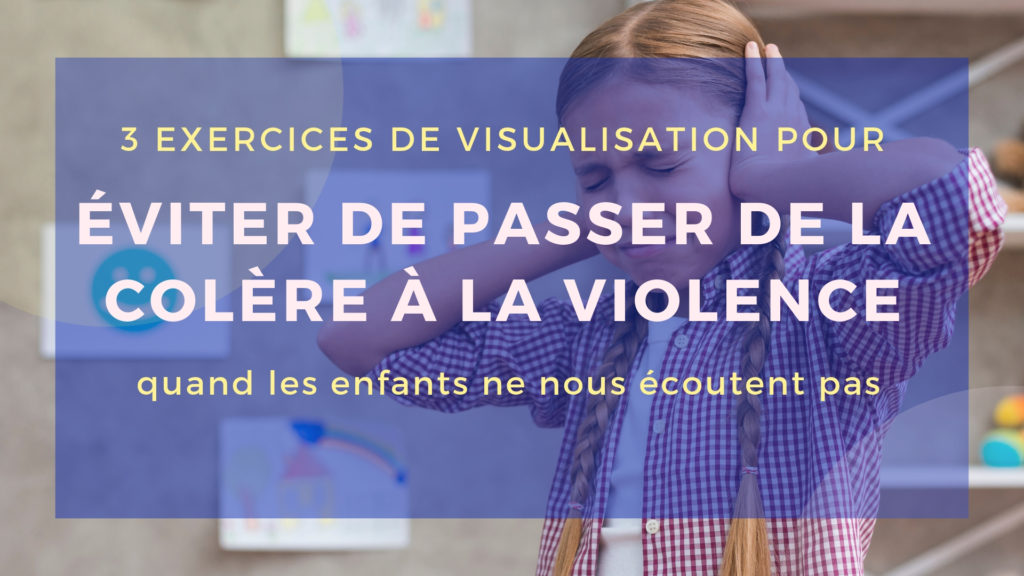
Stopping the slide from anger to violence begins long before you raise your voice, and that is exactly why visualization exercises are worth learning. Most parents repeat instructions again and again, then feel the heat rising when nothing changes.
One mother recalled her son explaining that he did not need to listen the first time, because he knew she would repeat herself many times, which gave him more time to play with his building bricks. That answer stings precisely because it is so recognizable.

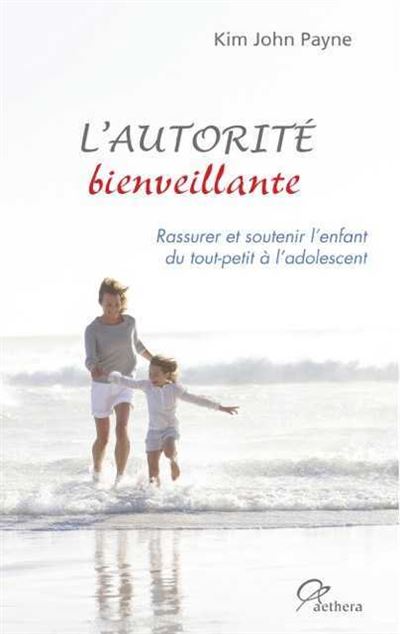
If you have given a clear instruction and your child does not react, resist the urge to repeat it louder. A hearing problem is unlikely. What follows are three visualization exercises drawn from Kim John Payne's work on compassionate authority, expanded with practical guidance for everyday family life.
Quick takeaways
- Repetition teaches children that the first instruction is optional; say it once and follow through.
- Rising anger has a direction; picture the energy moving down and staying centered.
- The heavy velvet cape slows forward momentum and replaces it with dignified stillness.
- Lion paws widen your stance and anchor you to the floor instead of charging forward.
- Practice one visualization during calm moments so it is available when anger rises.
- Clear single instructions plus calm consequences reduce conflicts before they escalate.
Why Repeating Louder Never Works
Parents often fall into a loop of repeating requests, then feel frustrated when the tenth repetition finally lands. The trouble is that repetition without consequence teaches children that the first instruction is optional, and that a louder voice is the real signal to act.
When you notice your child ignoring you, pause before escalating. Ask yourself whether you have given a clear instruction once, and whether the next step should be a calm consequence rather than a louder volume. This small shift protects the relationship and keeps your own frustration from building.
Payne points out that conflicts between parents and children have an energetic and spatial dimension: we literally step toward conflict. Being aware of that movement gives you a moment to choose differently, much as you would when planning parenting TED talks to refresh your approach. If your child is deep in play with building bricks, a quick look at LEGO fan conventions reminds you how absorbing that world can be, which makes a gentle transition easier than a shouted order.
Exercise One: Direct Energy Down and Back
Many parents describe anger as something rising in the body, using phrases like the mustard going to my nose, the temperature climbing, or feeling ready to explode like a pressure cooker. That language is useful, because it shows the emotion has a direction.
Try to picture the rising energy as a ball moving upward. Instead of letting it climb and spill out of control, imagine containing it downward and staying centered inside yourself. Breathe slowly, feel your weight in the chair or on the floor, and let the energy settle rather than escape.
When to Use It
This exercise is most helpful when you are rushed, tired or worried, since those states make emotions rise faster. Practicing it during calm moments makes it easier to reach for when you need it. Parents who are also managing a newborn's needs may find short breathing pauses fit naturally into baby care routines, where small moments of stillness are already part of the day.
| Exercise | What you imagine | Best moment to use |
|---|---|---|
| Energy down and back | A rising ball contained downward | When emotions climb quickly |
| Majestic cape | Heavy velvet covering you to the floor | When you lean forward to confront |
| Lion paws | Broad, soft feet anchored in the ground | When frustration builds mid-task |
| Practice habit | One minute during a calm moment | Daily, before conflicts occur |
| Follow-through | One clear instruction, then wait | Any repeated request |
Exercise Two: The Majestic Cape
This visualization also relies on the spatial dimension of emotions and relationships. When you catch yourself leaning forward as if to attack, imagine a magnificent cape of thick velvet covering you from shoulders to the floor, wrapping you completely and trailing behind you.
Feel how heavy that cape is. Its weight slows you down, preventing you from rushing at the child who is not listening. The image works because it gives your body something to do, replacing forward momentum with a sense of dignified stillness.
Heaviness here is not defeat; it is presence. Standing tall under an imaginary cape, you can speak your instruction once, calmly, and then wait. This is the same patient, grounded posture that helps during building sibling bonds, when children test limits to see where they stand. If the moment passes and everyone needs to reset, a shared kitchen activity such as a pretzel recipe can restore calm without anyone losing face.
Exercise Three: Lion Paws
When frustration builds, imagine your feet are broad, soft and supple like lion paws. Widen your stance slightly beyond shoulder width, curl and flex your toes, and move your feet as if to broaden them and feel more anchored in the ground.
This position offers a deep, rich connection with the floor, which stops you from charging at the child who has triggered your anger. You are not suppressing the feeling; you are giving it a stable base instead of a launch pad.
Grounding works especially well in the middle of messy, physical parenting moments. If you have ever dealt with a moldy teether or similar surprise, you know how quickly irritation spikes; a look at teether mold risks is a reminder that practical problems need calm hands, not raised voices. The same steady footing helps when you are selecting toys for crawling or choosing independent play toys, decisions best made without a racing pulse.
Making These Exercises Part of Daily Life
Visualization works best when rehearsed before the storm. Pick one exercise and practice it for a minute during a quiet moment, so your body recognizes the image when anger actually rises. Over time, the mental picture becomes a reliable cue rather than an emergency measure.
Pair the exercises with clear, single instructions and predictable consequences. Say it once, wait, and follow through calmly. Children learn quickly that the first request counts, which reduces the number of conflicts that ever reach the boiling point.
Expect setbacks. Some days the cape feels flimsy and the lion paws wobble, and that is normal. What matters is returning to the practice rather than judging yourself. Parents who plan ahead, whether arranging outdoor toys for a long afternoon or thinking through toy store visits, tend to have fewer flashpoints because the day already has structure.

My hands-on take
I first tried the lion paws on a morning when we were already late and my child had decided that shoes were optional. My instinct was to lean forward and raise my voice, but I widened my stance, curled my toes and felt the floor under me. The instruction came out once, quietly, and to my surprise it landed.
The cape is the one I return to most. On days when I feel myself moving toward a confrontation, picturing that heavy velvet slows me enough to choose my words. I still lose my temper sometimes, and I still repeat myself more than I should, but the gap between feeling angry and acting on it has grown wider, and that gap is where the real parenting happens.
Frequently asked questions
Do these exercises mean I should never feel angry?
No. Anger is a normal signal, and the exercises are not about suppression. They give you a way to keep the feeling from turning into shouting or physical escalation.
How long does it take for visualization to work?
Some parents notice a difference the first time they use it, while others need repeated practice. Rehearsing during calm moments makes the image easier to recall under pressure.
What if my child still ignores me after one calm instruction?
Follow through with a calm, predictable consequence rather than repeating louder. Consistency over time teaches that the first request is the one that counts.
Can these techniques help with older children and teenagers?
Yes. The spatial and energetic cues work regardless of age, and staying grounded often makes difficult conversations with older children more productive.
Product Reviews
 Best Toys for Dogs With High Prey Drive |
Best Outdoor Toys for 3-4 Year Olds |
Best Outdoor Toys for 6 Year Olds |
Best Harness for Poodle |
Best LEGO Sets for Adults |
Best Travel Toys for 4 Year Olds on Airplane |
Best Toy Stores in Washington DC |
Best Potty Training Toys |
Best Toys for Tripod Dogs |
Maillot equipe de france







