


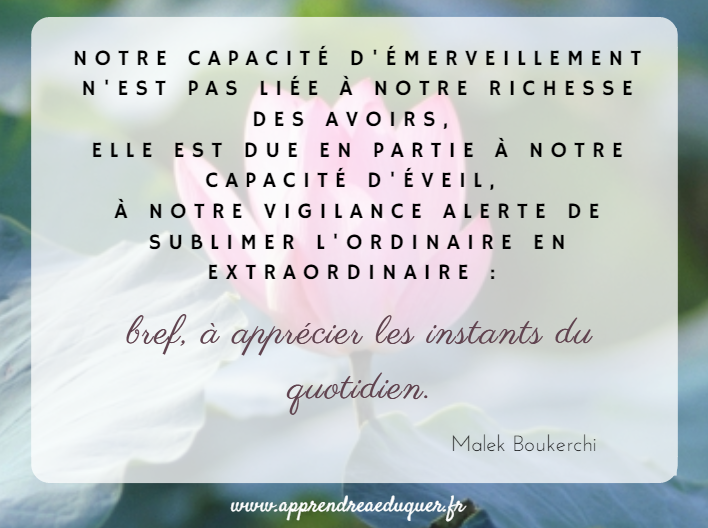
Stimulating wonder and the appreciation of beauty in children is one of the quietest gifts you can give them. It starts with a simple idea: noticing what is beautiful, excellent or moving helps a person feel connected to something larger than themselves.
That emotional experience of admiration turns the ordinary into the extraordinary and makes daily life richer, full of small moments of happiness. It rests on a child's ability to find, recognise and take pleasure in wonder, whether in a landscape, a piece of music, a work of art or a special talent in another person.

None of this requires money or special equipment. It mostly requires a parent who slows down, points at things and says, look.
Quick takeaways
- Turn your face to the sun before going inside
- Use all five senses on ordinary walks
- Admire photos, art and the excellence of others
- Applaud friends' successes and name their strengths
- Tell stories that contrast possession with pure wonder
- Savour the small, everyday beauties around you
Start with the senses and the sky
Begin with the body. Before entering a building, invite your child to turn their face to the sun for a moment and simply feel the warmth. Then stretch the five senses as far as they go: smell flowers, touch different textures, listen and pick apart the sounds of the street, look up at the stars or the shapes in the clouds.
Bird flocks crossing the sky are a free show worth stopping for. So is a plain walk in which you notice the wind on your skin and in your hair. Children who practice this kind of attention carry it into other areas, much like the focus encouraged by encouraging creativity at home, and it echoes the question of how to educate children.
Food is another doorway. Try tastings of unfamiliar foods and savour each one slowly and consciously, naming what you notice rather than rushing to the next bite, and remember that foods rich help children grow healthy.
Admire images, art and other people
Look at photographs together: animals, landscapes, traditions, people, monuments. Let your child marvel at the beauty of nature and of culture, and ask which one they would like to step into. A daily artwork, a museum visit and the simple question "what do you feel inside?" keep that curiosity alive.
Videos work too: the world's most beautiful landscapes, sports sequences where players excel, music played by virtuosos. Admiration for excellence is part of the same muscle, and it grows when children learn to recognise effort and skill in others.
Then turn it toward people close by. Applaud a friend's success, marvel at someone's self-surpassing and their feats, and name the particular strengths of a person your child knows. This social side of wonder pairs naturally with the lessons in parental allies and shared example. Small everyday rewards can reinforce this too, as explained in Insider points worth.

| Activity | What it builds | Good moment |
|---|---|---|
| Face to the sun | Sensory awareness | Before entering a building |
| Five-senses walk | Attention and curiosity | After school |
| Photo or artwork viewing | Appreciation of beauty | Quiet afternoon |
| Applauding a friend | Social admiration | After a success |
| Story reading | Emotional openness | Bedtime |
| Observing a small creature | Patience and delight | On the way to school |
Read stories that open the heart
Stories and inspiring texts do a lot of this work for you. One tale worth telling: a rich lord and a poor peasant each had a son. The lord climbed a mountain with his boy, showed him the land below and declared that one day it would all be his. The son felt a rush of power and intense joy, but on the way down his happiness was disturbed by fear: what if his father changed his mind, what if schemers took power, what if he vanished before passing it on?
The poor peasant climbed the other side of the same mountain at the same moment, showed his son the same landscape and said with love: "Look, my son. Look." The boy stayed there, attentive to sounds, smells, colours and images, filled with the majesty of the world and joy in his heart.
That contrast is worth discussing afterwards, much like the questions raised in who am I as a parent. Reading together also builds the kind of shared attention that supports learning together in everyday family life, and it can be a gentle companion through the early days described in life after postpartum.
Notice the small beauties
Finally, marvel at each small beauty you live through and savour the most ordinary parts of the day. This is where wonder becomes a habit rather than an outing: the light on a wall, a beetle crossing the path, the first bite of something warm.
Keep an eye out for tiny encounters. A praying mantis found on the way to school can become a whole lesson: observe it from every angle, look closer, laugh at the way it throws its front legs like a boxer, then release it and follow its departure with your eyes.
Such moments cost nothing and stay with children. They also sit well beside simple sensory comforts, from a soft blanket at home to the calm routines described in our guide to sensory blankets for young children.

Make wonder part of family life
Wonder grows where there is room for it. Keep a small notebook of beautiful things seen during the week, or let your child choose one photo to admire at dinner. Slow mornings and unhurried walks give attention the space it needs.
Adults set the tone. When you stop to look, gasp at a sunset or praise someone's effort out loud, children copy the gesture. This is one of the gentlest forms of parenting by example available to any family.
And remember that appreciating beauty, excellence and competence in every field gives children a sense of the grand and the marvellous, a feeling they can return to for the rest of their lives.
My hands-on take
In our house, the most reliable wonder trigger has never been a museum. It is the walk to school. Once we started deliberately looking, that short route produced a praying mantis on the pavement, a snail crossing a wall and a sky full of shapes. We crouched, watched and laughed, and then we let the creature go and followed it with our eyes.
I have also learned to say less. Instead of explaining everything, I ask what my child notices, and I wait. The answers are usually better than my commentary. On days when everything feels rushed, I try to keep one small pause: a face turned to the sun, a cloud pointed out, a friend's good news applauded properly. That is enough.
Frequently asked questions
Does this require special materials or outings?
No. Most of these ideas use what is already around you: the sky, the wind, a photo, a story or a small insect on the pavement. The only real requirement is an adult willing to slow down and notice.
What if my child is not interested at first?
Start small and lead by example. Children often pick up enthusiasm from a parent who genuinely stops to look, and curiosity tends to follow.
Can wonder be taught like a school subject?
Not exactly, but it can be encouraged through repetition. Regular small moments of attention gradually turn noticing into a habit.
Is admiring other people's success a good idea?
Yes. Applauding a friend's achievement and naming someone's strengths helps children admire excellence without envy.
Product Reviews
 Best Toys for Dogs With High Prey Drive |
Best Outdoor Toys for 3-4 Year Olds |
Best Outdoor Toys for 6 Year Olds |
Best Harness for Poodle |
Best LEGO Sets for Adults |
Best Travel Toys for 4 Year Olds on Airplane |
Best Toy Stores in Washington DC |
Best Potty Training Toys |
Best Toys for Tripod Dogs |
Maillot equipe de france







