


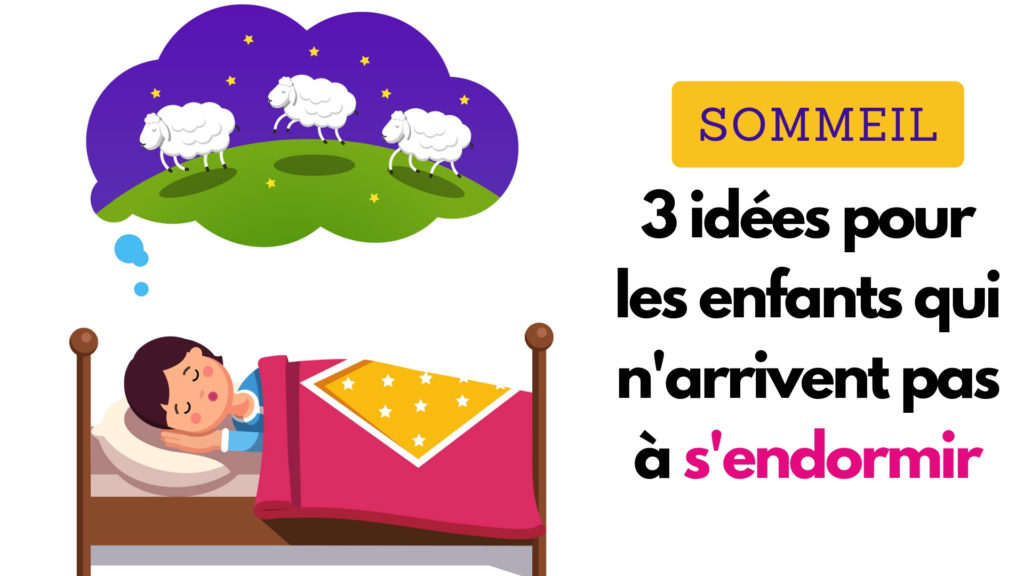
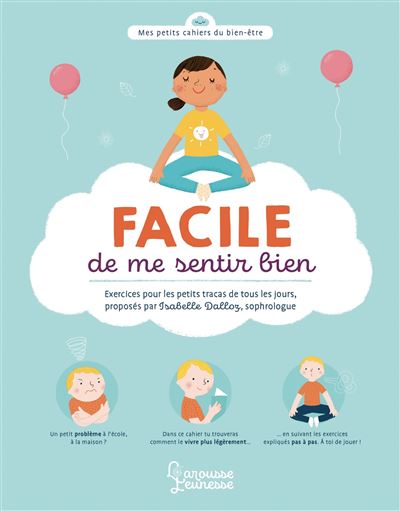
These mindfulness exercises for kids who struggle to fall asleep offer a gentle, screen-free way to close the day. Drawn from a children's well-being book, the three practices below use movement, breathing and imagination to help a restless child settle.
None of them requires special equipment or a long routine. You can try one, or all three in sequence, in the last quiet minutes before lights out. The aim is not to force sleep but to help the body and mind slow down.

Quick takeaways
- Start with the standing whirlwind to release physical tension.
- Move to the head rake to slow the breath and soothe the scalp.
- Finish with a guided calming landscape using all five senses.
- Keep the tone soft, dim the lights and never force participation.
- Repeat the same short sequence at the same time each night.
Why a Wind-Down Routine Helps Restless Children
Children who cannot fall asleep are often still carrying the energy of the day in their bodies. A short, predictable routine signals that the pace is changing, and it gives a child something concrete to do instead of lying awake with racing thoughts. Mindfulness simply means paying gentle attention to the present moment, and children take to it easily when it is framed as a game.
These three exercises work well as a sequence: one to release physical tension, one to slow the breath, and one to guide the imagination toward calm. You can also use just one on a difficult evening. Keep the tone soft and unhurried, dim the lights, and let your child stop whenever they want. If your household is adjusting to a new rhythm after a separation, a steady bedtime ritual can be part of the stability children need, much like the reassurance discussed in happy family after divorce.
Exercise 1: The Whirlwind to Release Tension
This first exercise is done standing, just before getting into bed. Ask your child to stand with feet slightly apart and take one long, slow breath out to relax. Then they let their arms hang loose and soft along the body, drop the shoulders, and begin turning the torso gently from right to left, letting the arms swing along with the movement.
The idea is to carry the arms as far as possible on each side while the whole body follows, all the while breathing deeply. Children can keep swinging at their own pace, close their eyes if they like, and let the movement rock them. Encourage them to focus on the swing of the arms and the rotation of the chest and waist.
This kind of gentle, rhythmic motion is a natural way to shake off the day's restlessness. It pairs well with the kind of active play that helps children burn energy earlier on, such as the options in outdoor toys, so that standing still at bedtime feels easier. For families on the move, travel toys can also help channel energy during the day.
| Exercise | Position | Main focus |
|---|---|---|
| Whirlwind | Standing | Releasing body tension |
| Head rake | Sitting in bed | Slow, steady breathing |
| Calming landscape | Lying down | Imagination and senses |
| Best time | Last minutes before lights out | Wind-down transition |
| What you need | Nothing but a quiet room | Consistency and calm |
Exercise 2: The Head Rake for Slow Breathing
Once your child is sitting up in bed, they can move on to the head rake. Start by placing both hands on the belly and simply noticing them rise as the belly fills on the in-breath and fall as it empties on the out-breath. This anchors attention on breathing before the hands start to move.
Next, the child rests their thumbs lightly on the temples beside the eyes, without pressing, with the elbows resting on the knees and the arms relaxed. Keeping the thumbs still, they slide the other fingers up to the top of the head, one hand on each side. Then, on every out-breath, they draw the fingers back down from the hairline toward the temples, as if raking. As the exercise goes on, they shift the movement a little further back each time, closing their eyes if they wish.
The result is a soft, rake-like sensation across the scalp that many children find deeply soothing. It is a simple self-touch technique, and it works even better when the room is already calm and quiet. A predictable, low-key evening helps set that mood, and so does keeping the last part of the day free of overstimulation, much like the steady preparation described in prepare for pregnancy for a different kind of transition. Just as calming routines support rest, choosing best toys and weighing whether anti mosquito bracelets are worth it can help parents build thoughtful daily habits.
Exercise 3: The Calming Landscape for the Journey to Sleep
Finally, with eyes closed and lying down, your child can imagine a beautiful landscape filled with calm and quiet, a dreamlike place of peace where they feel good, soothed and safe. They picture themselves there, calm and smiling, relaxed as if setting off on a journey inside their own head.
The key is to engage all the senses. Ask them to notice the colours of the landscape, the sounds they hear, such as birdsong or running water, the scents they smell, such as flowers or grass, and the textures they touch, such as warm sand, a sunbeam warming the skin or the soft coat of an animal. Let the scene unfold as if they were really there.
This guided imagery is a gentle bridge from waking to dreaming, and it gives a child something pleasant to hold on to instead of worries. It can be adapted to any child's interests, and it is a lovely way to end the day together. For families who travel, the same technique can turn unfamiliar surroundings into a reassuring place, whether at home or in one of the hotels with children. Just as parents may wonder how many kilos they will gain, little ones can carry their own bedtime worries, and learning to treat heartburn gently reminds us that small comforts matter at every age.
Making the Routine Work Night After Night
Consistency matters more than perfection. Try the same short sequence at roughly the same time each evening, and keep your own voice slow and low. If your child resists one exercise, move on to another without pressure; the goal is comfort, not compliance.
Small environmental touches support the practice: a dim lamp, a favourite soft toy within reach, and a few minutes of quiet talk before you begin. Children pick up on adult tension, so settling yourself first makes a real difference. A calm, predictable close to the day is one of the simplest gifts you can give a restless child, and it costs nothing but a little time.

My hands-on take
I first tried the whirlwind with my own child on a night when nothing else was working. Standing there swinging our arms together felt a little silly at first, but the slow breathing and the rhythm of the movement visibly softened the mood. By the time we sat on the bed for the head rake, the energy in the room had changed.
The landscape exercise has become our favourite. I ask my child to describe one colour, one sound and one texture, and I listen without correcting anything. Some nights the scene is a beach, other nights a forest. What matters is that it gives us a calm, shared moment at the end of the day, and that my child drifts off with something pleasant in mind rather than the day's leftover noise.
Frequently asked questions
How long should each exercise take?
A few minutes is enough. The whirlwind can be a short swing of the arms, the head rake a handful of slow out-breaths, and the landscape a gentle minute or two of imagining. Keep it brief so it stays pleasant.
What if my child refuses to try?
Offer it as a game rather than a task, and model it yourself. If they are not interested, drop it for that night and try again another evening. Pressure tends to undo the calming effect.
Can these exercises be used at other times?
Yes. The whirlwind and head rake work well after a busy day or before homework, and the calming landscape can help during a quiet rest. They are simple tools a child can reuse whenever they feel wound up.
Product Reviews
 Best Toys for Dogs With High Prey Drive |
Best Outdoor Toys for 3-4 Year Olds |
Best Outdoor Toys for 6 Year Olds |
Best Harness for Poodle |
Best LEGO Sets for Adults |
Best Travel Toys for 4 Year Olds on Airplane |
Best Toy Stores in Washington DC |
Best Potty Training Toys |
Best Toys for Tripod Dogs |
Maillot equipe de france







