


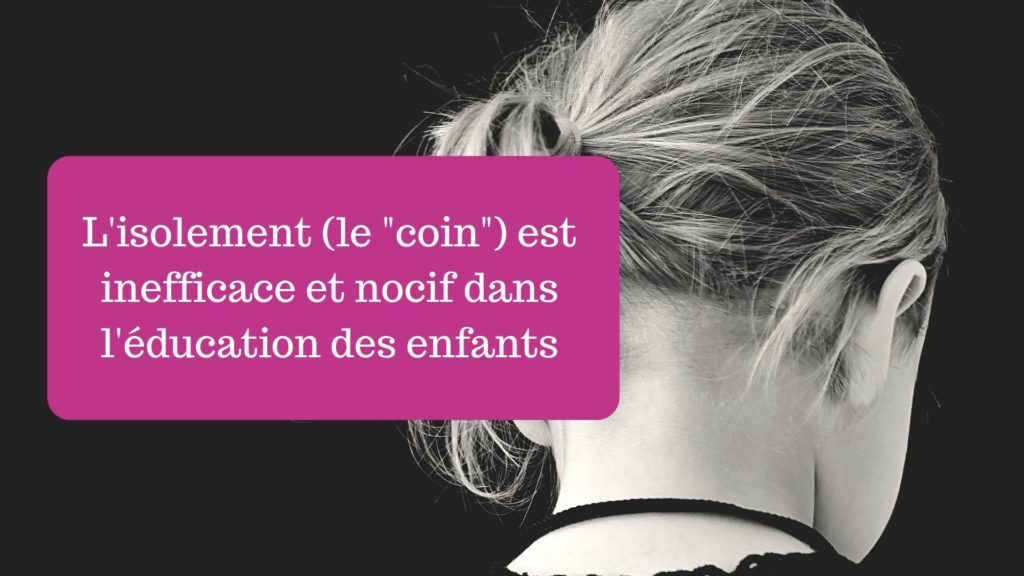
Time-out and isolation are widely presented as gentle alternatives to hitting or yelling, yet the separation they rely on deserves closer scrutiny. When a young child is sent away, the message received is rarely about reflection.
Attachment specialists argue that separation-based discipline can overwhelm a child's stress system rather than teach self-control. Understanding why helps parents choose responses that actually build emotional skills.

Quick takeaways
- Separation-based discipline removes connection to force compliance.
- Children under five to seven cannot truly reflect on their actions.
- Stress hormones block learning, including emotional learning.
- A calm-looking child may be suppressing feelings, not self-regulating.
- Time-out only works when attachment is at stake, which is a warning sign.
- Staying close while setting limits builds skills instead of fear.
What "Time-Out" Really Means in Discipline
Separation-based discipline covers more than the classic chair in the corner. It includes withdrawal periods, isolation, pretending or threatening to leave a child, withdrawing affection, and ignoring or avoiding the child.
These practices all remove contact and connection in order to pressure a child into compliance. They are often framed as kinder than punishment, but the effect on attachment is rarely considered. Just as you would check bath product safety before trusting a label, it pays to look past the gentle framing of a discipline method.
Attachment is a child's greatest need, so even the threat of separation can land hard. A child worried about staying connected has less energy left to become who they are.
Why Isolation Doesn't Produce Reflection
Supporters claim children use time-out to think about their actions. Yet the capacity for reflection does not exist in a child before roughly five to seven years of age, much like young children's immature systems shape how they experience the world.
Isolated children are usually upset, with rising stress and frustration, which leaves little room to think about anything else. Affective neuroscience is clear that stress blocks learning of every kind, whether emotional, relational or academic. If you want to support real learning at home, the principles behind the 5C motivation rule apply here too.
What the body does under separation
With the alarm system engaged, the brain is flooded with stress hormones. The child is not reasoning quietly; the child is stunned or eventually resigned. Just as stories continue after the happy ending, a child's inner life keeps unfolding beneath the surface.
| Aspect | Separation-based (time-out) | Connection-based approach |
|---|---|---|
| What happens | Child is removed from contact | Adult stays close and calm |
| Child's state | Stunned, stressed, resigned | Supported, gradually settling |
| Learning | Blocked by stress hormones | Possible with adult guidance |
| Message sent | Closeness depends on behavior | You are safe and loved |
| Long-term effect | Compliance at a cost | Skills and trust built |
Calm Is Not the Same as Settled
Some children do look calm after a period of isolation, and that is often mistaken for self-control. In reality, their alarm system presses down on emotions so they can return to the relationship with the adults around them.
Threats of separation increase a child's search for contact and proximity. A child may do almost anything to close the gap with the adult, at the expense of dignity and integrity. That does produce compliant behavior, but the cost to the child and the relationship is high.
Conditional love, where closeness depends on performance, breeds deep insecurity. Children need physical and emotional safety as the foundation of healthy development, much like the basics covered in child ear infection care.
When Children Seem Immune to Threats
Not every child responds to time-out with compliance, and that puzzles many parents. Separation-based discipline only works when there is an attachment at stake that the child values.
If a child is not attached to the adult using these methods, isolation can actually increase counter-attacking behaviors. The technique fails precisely because the lever it relies on is missing.
This is why the same approach produces such different results from one family to the next. Reading a child's behavior accurately matters more than applying a fixed script, a theme that runs through raising children well.
What to Do Instead of Sending a Child Away
Connection-based discipline starts with staying close while limits are set. A calm adult nearby helps a child's stress system settle far more effectively than distance does.
Name the feeling, hold the boundary, and offer a way back into the relationship. Practical routines, like the ones in reading and writing development, show how skills grow through support rather than isolation. Every child's pace differs, as seen in Chachat's story.
Parents also need to look after their own regulation, since a child borrows calm from a steady adult. Everyday care habits, from choosing bath toys to bedtime rituals, are chances to rebuild connection after conflict.
Small shifts that help
Stay nearby during big feelings, describe what you see, and reconnect deliberately once things settle.

My hands-on take
I used to send my eldest to the bottom step whenever things escalated, convinced I was being gentle because I wasn't shouting. What I noticed over time was that he came back quiet but clingy, and the same battles returned the next day. When I started staying in the room instead, saying less and simply being present, the storms got shorter.
It took practice. My own frustration was the hardest part, and I learned to take a breath before responding rather than removing him from the room. Reconnecting afterward, with a hug and a short chat about what happened, did more for both of us than any corner ever did.
Frequently asked questions
Is time-out always harmful?
It is not about labeling parents as harmful, but about recognizing that separation stresses a young child's attachment system. The effect depends on the child and the relationship, and gentler alternatives exist.
At what age can children actually reflect on behavior?
The capacity for reflection generally does not develop before roughly five to seven years. Before then, a child needs adult support to regulate rather than being sent away to think.
Why does my child seem fine after time-out?
Some children appear calm because their stress system suppresses emotions so they can reconnect with you. That compliance comes at a cost to dignity and to the relationship.
What can I do in the moment instead?
Stay nearby, name the feeling, hold the limit, and reconnect once things settle. A calm adult helps a child's stress system settle more than distance does.
Product Reviews
 Best Toys for Dogs With High Prey Drive |
Best Outdoor Toys for 3-4 Year Olds |
Best Outdoor Toys for 6 Year Olds |
Best Harness for Poodle |
Best LEGO Sets for Adults |
Best Travel Toys for 4 Year Olds on Airplane |
Best Toy Stores in Washington DC |
Best Potty Training Toys |
Best Toys for Tripod Dogs |
Maillot equipe de france







