


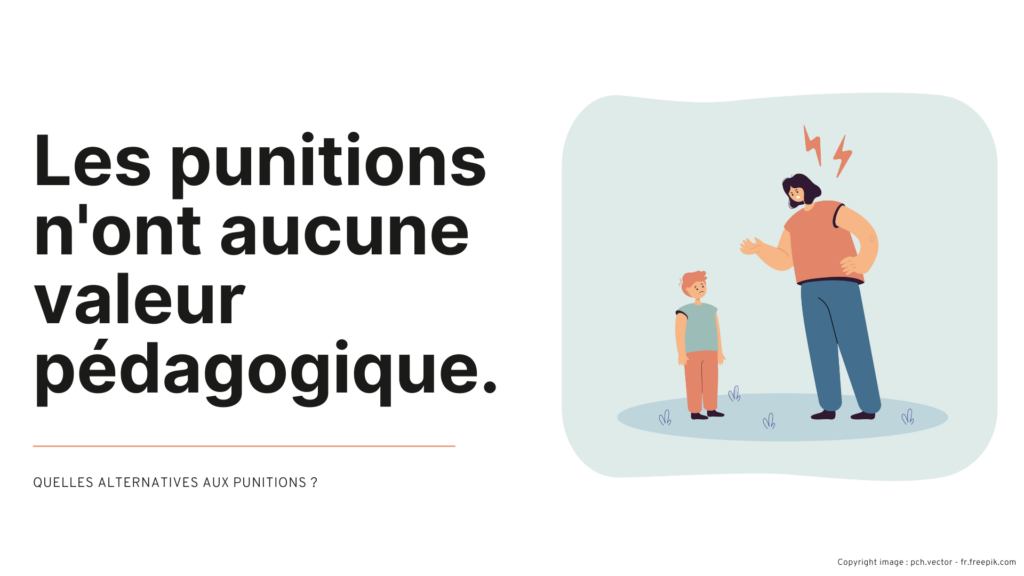
Punishments have no educational value, and the quickest way to see it is to look back at your own childhood. Think of a big punishment you received as a child or teenager, and two things usually happen: you no longer remember what it was for, and what stayed with you is not the rule but the feeling.
That residue is rarely a lesson about ethics. It is humiliation, shame, the impression of being unworthy of love, rejection, fear, a urge to rebel, a sense of injustice or powerlessness. None of these teach a child how to behave better; they teach a child how punishment feels.

Quick takeaways
- Punishments are remembered as feelings, not as rules or lessons.
- Punished children learn that might makes right, that shame teaches, and that not getting caught matters most.
- Labels from adults shape a child's self-concept and tend to become self-fulfilling.
- A punishment trap appears when misbehaving earns attention or admiration.
- Notice and thank the calm moments instead of only flagging the difficult ones.
- Teach the missing skill and invite repair rather than inflicting suffering.
What children actually learn when they are punished
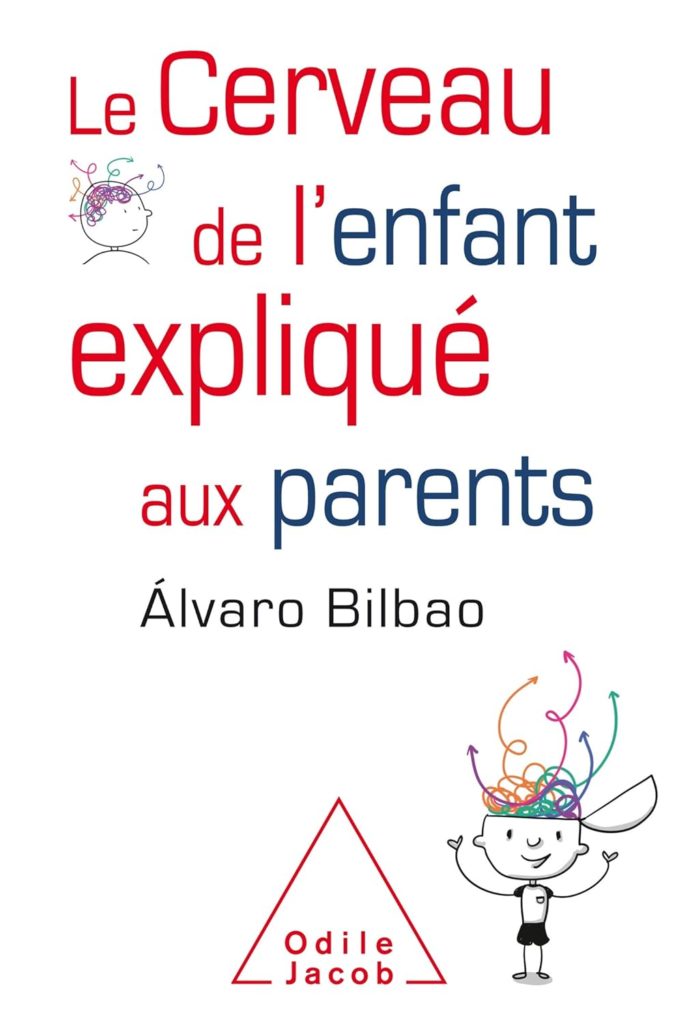
In his book explaining the child's brain to parents, Álvaro Bilbao argues that punished children do learn something, but never what the adult intended. They learn that frustration can be taken out on others, especially the weaker ones who cannot fight back, and that suffering and being stripped of dignity are the price of learning to behave.
They also learn that a hollow apology repairs the damage, that appearances count more than reflection, and that being punished wipes the slate clean: once you have paid for your misdeeds, there is no need to build an ethic of relationships. Not getting caught becomes more important than treating others with respect.
Simulated sadness and the self-concept
Children also notice that sadness after a misdeed brings forgiveness and love back, so faking sadness becomes a good strategy, and that only shame and guilt are useful emotions for learning. Worse, the brain uses the adult's verdict to shape a self-concept: a child who knows himself to be disobedient, capricious, selfish or lazy has little choice but to behave according to what he knows about himself. Few things damage that self-concept as much as negative messages engraved in memory. This is the same thread running through raising a child with words that build rather than label.
The punishment trap: when misbehaving pays off
Bilbao uses the idea of a punishment trap: a punishment can encourage the very behaviour it is meant to discourage. This happens when a child does not receive enough attention, in quantity and quality, from the adults close to him, or when the punishment brings a bigger benefit than the suffering it causes, such as the positive image of the class clown who makes everyone laugh or the rebel who earns admiration.
When parents spend little time with a child or fail to notice his positive behaviour, the child can pull the punishment lever simply to stay in relationship with them. For a child who feels lonely or unloved, being scolded is still better than feeling invisible, because at least there is contact with the parent.
Bilbao's conclusion is blunt: punishment is the least pleasant and least educational consequence you can apply to a child. Sometimes the child seeks confrontation or punishment because he needs to feel that his parents are paying attention. All children need plenty of play time and attention from their parents; by making them angry, you punish their needs and reinforce their bad behaviour. The task is to find effective alternatives rather than enter the dynamic of misconduct. The same logic explains why normalized forms in adults deserve a second look.

| Adult response | What the child learns | What to try instead |
|---|---|---|
| Shouting after a fight | Conflict is solved by whoever is loudest | Thank the calm play, however brief |
| Isolation for hitting | Attention comes through trouble | Daily one-to-one time, away from siblings |
| Punishing a bite | Nothing about the trigger | Watch the signals, share your calm |
| Demanding an apology | Words are enough to fix things | Repair the damage together |
| Calling a child lazy | A label to live up to | Name the behaviour, not the child |
Alternative one: notice the positive and feed the relationship
Instead of punishing or isolating a child who hits his brother or sister, you can notice and value the moments without trouble. Thank the child who usually bothers the others when he plays with his sibling for a little while, even if that moment is brief.
As prevention, give the child who accumulates inappropriate behaviour a daily one-to-one moment, for example after the younger siblings are in bed. This is simply choosing to highlight what makes family life beautiful rather than constantly pointing at the negative and reinforcing it. A calm bedtime routine helps here, and these positive phrases can become part of that shared moment.
Play is the natural vehicle for this attention: a few minutes of games for creativity or a simple board game do more for connection than an hour of lecturing. If you are unsure what to offer, a list of the best toys under $25 makes it easy to keep something small and engaging on hand.
Alternative two: teach skills instead of punishing mistakes
Educating means teaching skills rather than punishing errors and failures. With a child who tends to bite, watch for the signals that announce an overflow so you can avoid the conflict and prevent the bite. The adult can sit next to the tense child and share his calm rather than joining the child in the chaos.
Empathetic support and small emotional regulation techniques help the child build relational skills over time. This is slow work, and it is far more effective than a sanction that only interrupts the behaviour for a moment.
Young children are not small adults, and their development follows its own timetable; understanding the one year shadow phase or the way Montessori toys invite focused, independent play helps you match expectations to the child in front of you. When the day needs structure, toys for the car can turn a difficult transition into a calm, shared activity.

Alternative three: repair the action, not the child
When something has been broken, whether an object or a relationship, the useful question is not "what punishment fits?" but "what would repair this?". Repair keeps responsibility alive: the child is invited to help fix what happened, to check on the person who was hurt, to think about what he could do differently next time.
This is where punishment quietly fails, because paying a price cancels the debt and closes the conversation. Repair does the opposite: it opens a conversation about consequences and about the other person's feelings, which is exactly where an ethic of relationships is built.
It also protects the child's self-concept. A child who is asked to repair learns that he is someone capable of making amends, not someone defined by a label. The adult's tone matters as much as the words, and the broader climate of creative activities or a relaxed weekend outing gives repair its natural setting.
My hands-on take
I remember trying to remember my own punishments and drawing a blank on the reasons. What I recalled was a door closing and the feeling of being small. That memory changed how I reacted the next time my child threw a toy across the room: instead of sending him away, I sat down next to him and waited for the storm to pass.
It did not fix everything that evening, and I am not patient every day. But I started keeping a small note of the calm moments I noticed, and after a few weeks those moments were easier to see than the difficult ones. The provocations did not disappear; they simply stopped being the main way my child got my attention.
Frequently asked questions
Does this mean children should never face consequences?
No. Consequences stay, but they should be logical, connected to the action and focused on repair rather than suffering. The difference is whether the child learns a skill or only learns to fear the adult.
What if my child seems to provoke punishment on purpose?
That is often a request for attention rather than a challenge to your authority. Try giving regular, predictable one-to-one time and see whether the provocations lose their purpose.
How do I stay calm when I am exhausted?
Start with prevention: fewer situations that overwhelm both of you, and a short daily moment you can actually keep. Sharing your calm is a skill you practise, not a personality trait.
Is it too late if I have punished for years?
No. Changing the pattern is itself a repair, and children respond quickly to being noticed for what goes right. Expect some testing at first, then a gradual shift.
Product Reviews
 Best Toys for Dogs With High Prey Drive |
Best Outdoor Toys for 3-4 Year Olds |
Best Outdoor Toys for 6 Year Olds |
Best Harness for Poodle |
Best LEGO Sets for Adults |
Best Travel Toys for 4 Year Olds on Airplane |
Best Toy Stores in Washington DC |
Best Potty Training Toys |
Best Toys for Tripod Dogs |
Maillot equipe de france







