


When a child's crying annoys you, the hardest part is often not knowing what to say. Every time an adult tells a child to calm down, to stop crying, that crying is ugly, or that there is no reason to cry, life becomes harder for everyone involved. It is harder for the child, because crying is precisely how they live through an emotion, and harder for the adult, because that child will need more support later since repressed emotions resurface one way or another.
This guide looks at what sits behind our irritation and offers concrete, gentle responses you can use in the moment.

Quick takeaways
- Crying is how a child lives an emotion, not a manipulation to shut down.
- Telling a child to stop crying makes life harder for both of you later.
- Your irritation often comes from your own history, not from the child.
- Replace "stop crying" with "I see you, I am here".
- Keep behavioral limits while still welcoming the feeling.
- Public judgment says nothing about your parenting; plan calm exits.
Why Your Child's Crying Gets Under Your Skin
Frustration rarely comes out of nowhere. Adults often carry a cluster of reactions when a child weeps: the feeling of being a bad parent ("if my child cries, I must be failing, or it is my fault because I said no"), the impression that the child is weak, especially if it is a boy, and a general impatience toward crying judged to be exaggerated.
There is also a deeper layer. Children press on our own emotional wounds and can reactivate our traumatic memory, which hampers an empathetic listening to what they are actually feeling. Recognizing these triggers is not about blaming yourself; it is about seeing clearly so the crying stops being a personal attack. If you struggle to stay calm, some apps for parents can help you build small daily routines of pause and reflection.
Naming the Trigger Changes the Response
When you can say to yourself "this is my history speaking, not my child's manipulation", the tension drops a notch and you buy yourself a moment to breathe before answering.
What Not to Say When a Child Cries
The instinct to shut crying down is understandable, but the usual phrases backfire. Telling a child there is no reason to cry teaches them that their perception is wrong; telling them it is ugly teaches them that their emotion is shameful. Over time, children learn to swallow feelings rather than express them, and those feelings usually find another exit later.
This matters for boys in particular, who often receive the message early that tears equal weakness. Children absorb these lessons and carry them into friendships, school and eventually their own parenting. The same dynamic appears when a child is mocked for being emotional, much like the pressure explored in outside messages on young minds, where outside messages shape self-image quietly. Parents who carry children through these storms may also want to read about back contractures.
Instead of correcting the crying, aim to correct the situation: acknowledge the emotion, stay nearby, and let the storm pass without negotiating it away. As one child's attitude towards returning to school from home showed, attitudes spread quickly.

| What you feel | What may be behind it | What to do instead |
|---|---|---|
| Shame in public | Fear of judgment | Focus on the child, ignore onlookers |
| "I am a bad parent" | Guilt over saying no | Remind yourself a limit is not harm |
| "He is weak" | Beliefs about boys and tears | Allow the tears, name the feeling |
| Impatience | Crying feels exaggerated | Breathe, lower your voice, wait |
| Old wounds stirred | Personal emotional history | Notice the trigger, pause first |
What to Say Instead: Simple, Calm Scripts
You do not need perfect words. Short, steady phrases work best: "I see you are sad, I am here", "You can cry, I will stay with you", or "Tell me what happened when you are ready". These sentences do not reward misbehavior; they simply confirm that feelings are allowed while limits on behavior stay in place.
If your child is lashing out physically at the same time, separate the emotion from the action: validate the anger, then hold the boundary. Our guide on helping a child control his aggression walks through that balance step by step. For everyday storms, staying low, slowing your voice and kneeling to eye level does more than any speech.
Keep the Boundary, Drop the Shame
You can refuse a request and still welcome the disappointment it causes. That combination is what teaches resilience without teaching silence.
Handling the Judgment of Others
Crying in public adds a layer of pressure, because strangers, grandparents or relatives may comment. Well-meaning family members sometimes interfere with how a baby or toddler is cared for, and their remarks about "spoiling" can push you off course. If that sounds familiar, this piece on family interference offers ways to set respectful limits.
Remember that a child crying in a supermarket is not a verdict on your parenting. It is a small person with a big feeling in an overstimulating place. Preparing for outings, keeping them short, and having a calm exit plan reduces the frequency of these moments more than any warning ever will.
And when the day has been hard, small rituals of connection at home rebuild the bond faster than grand gestures.

Building a Calmer Home Over Time
Prevention is quieter than repair. Predictable routines, warning before transitions and regular one-to-one time lower the emotional temperature for everyone. Play is one of the best outlets: open-ended toys let children act out feelings without words, and our selection of open ended toys explains why simple materials beat flashy ones for this purpose.
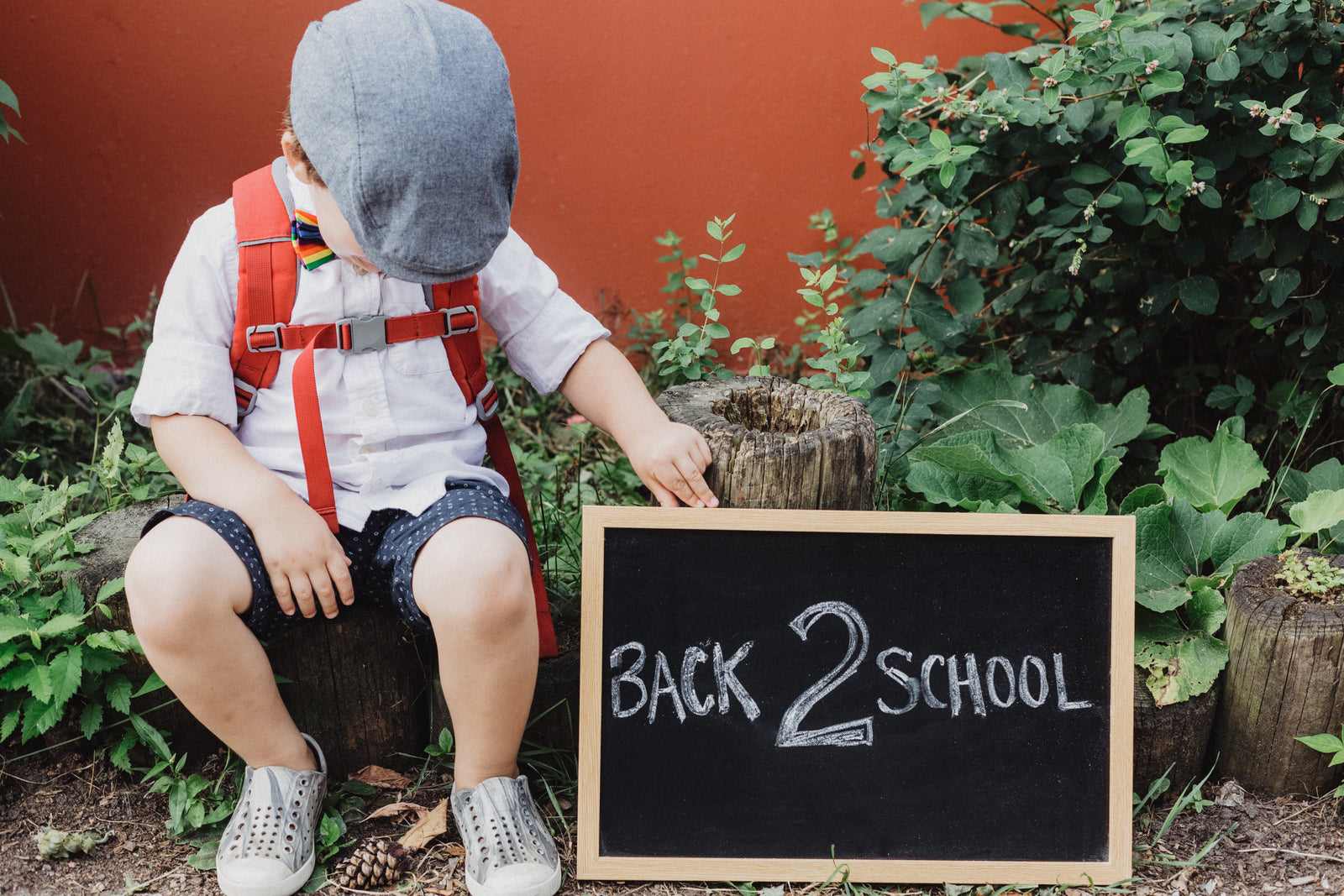
Reward systems and small celebrations can also support cooperation without bribing emotions away, as shown in these back to school rewards ideas. And if you are managing a household with little spare time, a few Montessori crafts at home give children a calm focus that often heads off tears before they start. Every child grows at their own pace, as seen in this remarkable story of a baby who weighs the same as a four-year-old.
The goal is not a child who never cries. It is a child who knows their feelings have a place, and an adult who can stay steady while they pass.
My hands-on take
I learned this the slow way. For a long time, my first reflex when the crying started was to fix it fast, which usually meant talking over it. It never worked. What changed things was a small experiment: for one week, I said only "I am here" and nothing else for the first minute. No reasoning, no negotiating. It felt strange and a little useless at first, but the storms got shorter, and my own irritation had somewhere to go because I was not performing a speech.
I still get triggered, especially when I am tired or running late. The difference is that I now recognize the feeling as mine before I open my mouth. That single pause is the most useful parenting tool I have found, and it costs nothing.
Frequently asked questions
Should I let my child cry?
Yes, within safe limits. Crying is how a child processes an emotion, and staying nearby while it happens teaches them that feelings are manageable. You can still hold boundaries on behavior.
How do I stop getting so annoyed by crying?
Start by noticing what the crying stirs in you, such as guilt, shame or memories of your own childhood. Naming the trigger reduces its grip and gives you a moment to respond calmly instead of reacting.
Does comforting a crying child spoil them?
No. Responding to distress builds trust and emotional security rather than dependence. Children who feel heard tend to regulate their emotions better over time.
What if my child cries to get something?
Acknowledge the wish without granting it: "You really wanted that, and the answer is still no." The disappointment is allowed; the limit stays.
Product Reviews
 Best Toys for Dogs With High Prey Drive |
Best Outdoor Toys for 3-4 Year Olds |
Best Outdoor Toys for 6 Year Olds |
Best Harness for Poodle |
Best LEGO Sets for Adults |
Best Travel Toys for 4 Year Olds on Airplane |
Best Toy Stores in Washington DC |
Best Potty Training Toys |
Best Toys for Tripod Dogs |
Maillot equipe de france







