


Violence and its consequences on health are rarely explained to young people in plain language, which is exactly why a free brochure aimed at teenagers deserves a place in every school, waiting room and youth club. It was created by a psychiatrist specialising in psychotraumatology and victimology, and it sets out, simply, what violence looks like and what it does to a growing body and mind.
The document is designed for adolescents first, but adults will find it just as useful. Parents, teachers and coaches often sense that something is wrong without being able to name it, and this brochure gives them the words to recognise the warning signs in children and teenagers.

Quick takeaways
- Trauma reactions such as freezing or constant fear are normal responses to abnormal situations.
- Violence includes verbal, psychological, material, physical and sexual forms, plus bullying.
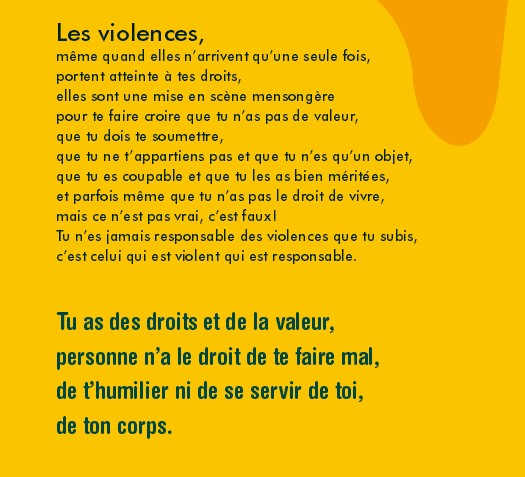
- Only the person committing violence is responsible for it, never the victim.
- Psychotrauma can be treated, and the first step is talking to someone trusted.
- The free brochure can be printed for schools, clinics, clubs and libraries.
- Adults can use it to recognise warning signs in children and teenagers.
Why teenagers need clear information about violence
Adolescence is a period when young people test limits, build relationships and often keep difficult experiences to themselves. Many do not know that constant fear, a feeling of paralysis in certain situations, or doing things without being able to stop themselves can be signs that something abnormal is happening to them. Naming those experiences is the first step towards getting help, and being aware of dangerous trends among teenagers helps adults spot the warning signs sooner.
The brochure also speaks to the adults around them. A parent who is attentive to a child's sleep, mood and behaviour is better placed to notice a shift, just as a caregiver who understands baby sleep hours knows how deeply rest and emotional wellbeing are connected. Recognising the signs early makes a real difference, much like preparing for Santa's visit works best when adults pay attention to routines.
Written for young readers, useful for adults
The language is deliberately direct, without jargon, so a teenager can read it alone and understand it. Adults reading it alongside them gain the same clarity, which makes conversation easier at home.

Understanding psychotrauma: normal reactions to abnormal situations
One of the central messages of the brochure is simple and reassuring: the problems that follow violence are the normal consequences of abnormal situations. A young person who freezes, panics or feels permanently on guard is not weak or broken; their body is responding to something that should never have happened.
The document explains the mechanisms behind this, showing how repeated stress affects physical health as well as mood. It is a reminder that emotional and physical wellbeing are one system, much as we see when a child's body reacts to stress with recurring ailments like recurring tonsillitis or unexplained fatigue. The same principle applies to learning, which is why these tips to learn English emphasise calm and reassurance.
Understanding the mechanism removes some of the shame. When a teenager realises their reactions make sense, they are far more likely to talk about what happened instead of hiding it, just as knowing what LEGO costs to produce helps parents make sense of pricing.

| Location | Who reads it | Why it helps |
|---|---|---|
| School and high school | Teenagers, teachers | Reaches young people in a familiar setting |
| Medical waiting rooms | Parents, adolescents | Quiet reading time before an appointment |
| Sports clubs | Coaches, young players | Trusted adults spot changes early |
| Youth centres and libraries | Teenagers | Free, discreet access without asking |
| Family home | Parents, children | Opens a conversation at the right moment |
What counts as violence? A broad and necessary definition
Violence is not limited to physical blows. The brochure defines it widely: verbal, material, psychological, physical and sexual violence, as well as bullying and harassment between peers. This broad definition matters, because many young people do not realise that what they are living through is actually violence.
Being insulted daily, being humiliated in front of a group, having belongings destroyed or being pressured online all count. Reading a clear list helps a teenager answer a question they may never have dared to ask: am I a victim? Adults can use the same list to check their own assumptions about what is happening in a classroom or a sports club.
Violence in relationships and in the family
The brochure highlights that sexual violence, domestic violence and violence within romantic relationships are among the most dangerous forms, precisely because they often go unnoticed or are excused.

Responsibility, reassurance and the path to treatment
The message on responsibility is unambiguous: those who commit violence are the only ones responsible for their acts. No behaviour, clothing, tone of voice or place can justify it. For a teenager carrying guilt, hearing this clearly stated can be a turning point.
The brochure then offers reassurance and a route forward. Psychotrauma can be treated, and professional support can reduce its effects and consequences. The first step is simply to speak to someone, so that the young person is guided towards competent help.
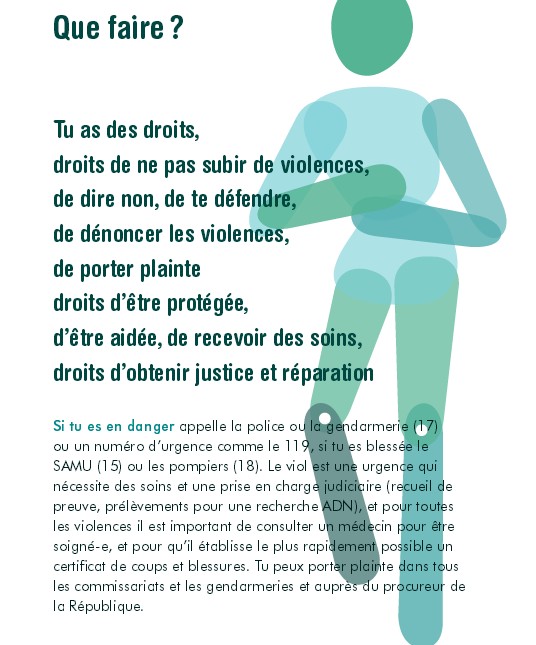
It also lists practical resources: emergency numbers to call, people to confide in, current legislation and contact details for specialist associations. Building a small support network around a child, including trusted adults outside the family, works a little like the steady routine of bedtime methods that helps a child feel safe enough to open up.

Where to make the brochure available
A resource only helps if it is seen. The brochure can be printed and left in free access in schools, middle schools and high schools, in medical waiting rooms such as GPs, dentists, ophthalmologists and speech therapists, and in any place young people spend time: youth centres, sports clubs and municipal libraries.
Making it visible in ordinary places lowers the barrier to picking it up. A teenager may not seek out a counsellor, but they will read a leaflet left on a table. The same logic applies to the quiet corners adults create at home, from a small reading nook with books about colours to a calm space where the baby needs his own space to be alone with their thoughts. Even a school's front-desk routine, such as a school handling late arrivals calmly, shows how everyday settings can feel safer.
Other informative brochures on violence against children, adolescents and women are available from the same organisation, and they complement this one well.


My hands-on take
I first came across this brochure while looking for something concrete to leave in a school staff room, and what struck me was how calmly it explains things that adults often avoid. I printed a few copies and put one in our hallway, not expecting much. A few days later my eldest asked a question about a friend being mocked online, and the leaflet gave us a starting point that a lecture never would have.
What I appreciate most is the tone: no panic, no blame, just clear information and a way forward. It does not pretend that talking is easy, but it makes talking feel possible. If you have teenagers at home, or work with them, printing this and leaving it somewhere visible is a small, practical step that costs nothing.
Frequently asked questions
Who is the brochure written for?
It is aimed primarily at young people, but adults will also find it useful. Parents, teachers and health professionals can use it to recognise signs of violence in children and teenagers.
Does it only cover physical violence?
No. It defines violence broadly, including verbal, material, psychological, physical and sexual violence, as well as bullying. This helps young people identify situations they might otherwise dismiss.
What should a teenager do after reading it?
The brochure encourages them to talk to a trusted adult so they can be directed to competent professionals. It also lists emergency numbers, people to confide in and specialist associations.
Can the brochure be printed and shared?
Yes, it is designed to be printed and left in free access in schools, waiting rooms, sports clubs and libraries. Sharing it widely increases the chance a young person picks it up.
Product Reviews
 Best Toys for Dogs With High Prey Drive |
Best Outdoor Toys for 3-4 Year Olds |
Best Outdoor Toys for 6 Year Olds |
Best Harness for Poodle |
Best LEGO Sets for Adults |
Best Travel Toys for 4 Year Olds on Airplane |
Best Toy Stores in Washington DC |
Best Potty Training Toys |
Best Toys for Tripod Dogs |
Maillot equipe de france







