


Quick takeaways
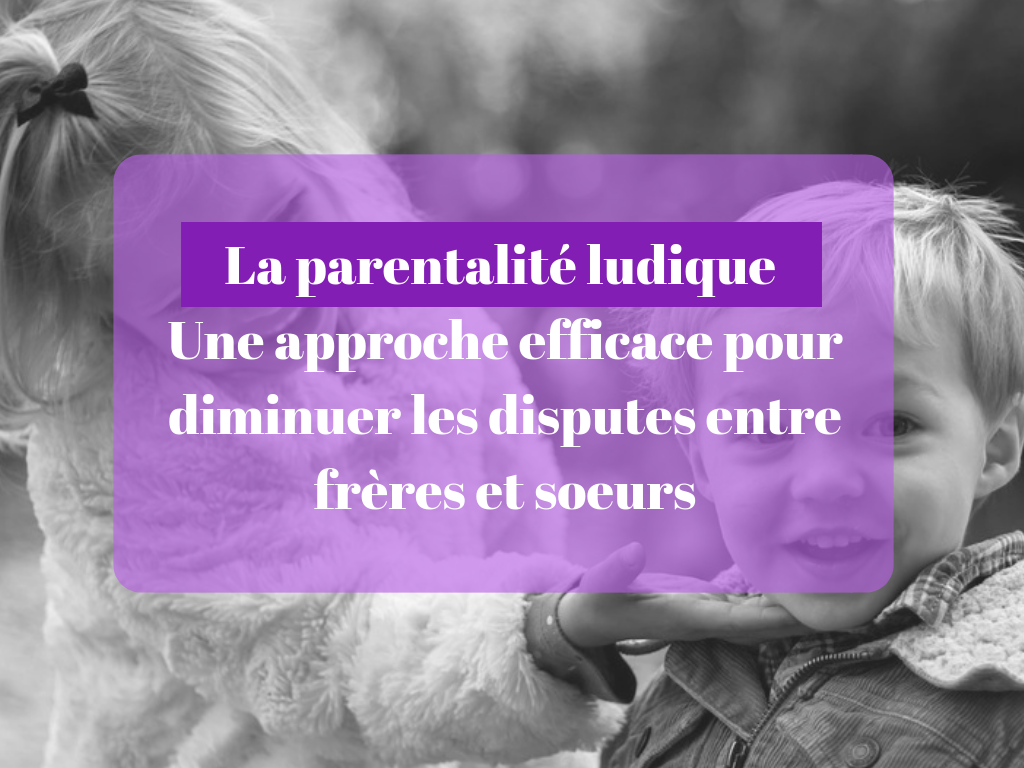
- Playful parenting targets the emotions behind sibling fights, not just the behaviour.
- Free symbolic play works best one-on-one and child-led.
- Power-reversal games let children feel strong while you pretend to lose.
- Absurdity games ease toy disputes by putting siblings on the same team.
- Cooperative games build teamwork and suit mixed ages.
- Stop any game when it risks real pain or ignored boundaries.
Free and symbolic play: letting your child lead
A free game is one the adult does not direct. Your child takes the initiative, with no rules and no intervention from you. These sessions work best outside of a dispute and one-on-one, so your child can let their imagination run without censorship or interruption. Offer building blocks, dolls, small vehicles and art materials, then give your full, uninterrupted attention. You join the game and do what your child asks of you.
This kind of play brings two benefits. The individual attention helps your child feel valued and loved, which offsets jealousy toward brothers and sisters. It also gives them your full presence to express difficult, even shameful feelings through the symbolic side of play. If you are choosing first toys for a little one, look for newborn infant toys that leave plenty of room for open-ended scenarios, and remember that board games can support visual skills too.

How symbolic play surfaces jealousy
A child jealous of a new baby might express the wish to have you all to themselves. In the game, they may set a baby figurine aside — a Lego figure, a Playmobil person, a plastic animal — while the figures representing themselves and you do things together. What matters is that you recognise the wish symbolically by accepting the scenario your child invents, without moral judgement and without suggesting the baby be brought back in.
Children love this kind of play because it lets them express emotions and feel seen. You do not need to interpret the meaning out loud: your attention and acceptance are enough.
Power-reversal games: letting your child win
Power-reversal games flip the usual hierarchy. You pretend to be weak and frightened while the children win the battle. A pillow fight where you let your child knock you down and fall dramatically to the floor, encouraging as much laughter as possible, is a classic example. So is a rough-and-tumble game where your child pushes you onto cushions or a bed and rolls you around.
Another version has the siblings team up against you — for example, working together to dislodge Dad from the sofa. These games must stay games, and it is up to the parent to stop them when something risks going too far: real pain, ignoring someone's no, or excitement rising toward violence. The value lies in looking weak and scared while letting the children win. If the activity produces laughter, it is on the right track, building a sense of personal power and restoring attachment. Much like team sports, these games teach children about cooperation and fair play.
If you are unsure which toys support this kind of active play, a look at toys for one-year-olds can help you pick safe, sturdy options for younger siblings joining in. And if all that laughter brings on a case of the baby hiccups, don't worry — it's perfectly normal.
| Game type | What the parent does | Best for |
|---|---|---|
| Free symbolic play | Follows the child's lead, no rules | Jealousy, expressing hard feelings |
| Power reversal | Pretends to be weak and loses | Building confidence, releasing tension |
| Absurdity | Exaggerates feelings with clowning | Toy disputes, breaking tension |
| Cooperative | Plays patient or takes a handicap | Teamwork, mixed ages |
Absurdity games: exaggerating feelings for laughs
Absurdity games rely on playful exaggeration of feelings. The line between absurdity and mockery your child actually feels is thin, so if they do not want to play or will not join in, do not insist. When two or more children fight over a toy, you might grab it with a clownish expression and run off with it, inviting them to cooperate to catch you. Chasing you together puts them temporarily on the same side.
Once that alliance seems established, slow down or pretend to trip and let yourself be caught. You can also hide the toy somewhere still visible and tell the children it is soooo well hidden they will neeeever find it, then act surprised when they do. One father at a workshop described twins of four both wanting the same chair and shouting "Go away!" at each other. He suggested everyone tell the person on their right to go away, then the person on their left, then imaginary people under the table and on the roof. After plenty of laughter, one twin simply moved to another chair on his own.
These playful moments also build the kind of closeness described in stronger sibling bonds, where shared laughter does more than lectures.
Cooperative games and shared advantages
Many children enjoy cooperative doctor games, where a mother or father plays the patient and the children act as nurse or doctor. The nature of the activity requires the children to cooperate in caring for the parent-patient. You can also give yourself a handicap in shared games, so the children have an advantage and work together toward a common goal.
These games are gentle and inclusive, and they suit mixed ages well. If you are looking for toys that encourage turn-taking and teamwork, browsing toys for 18-24 month old can give you ideas for younger participants. Cooperative play also pairs naturally with everyday routines, such as choosing children at the wedding roles that let siblings share a task. Pairing active play with hidden sugar awareness helps keep the whole day balanced.
The common thread across all four game types is connection before correction. When children feel seen, powerful and amused, the need to fight often fades on its own.
Making playful parenting part of daily life
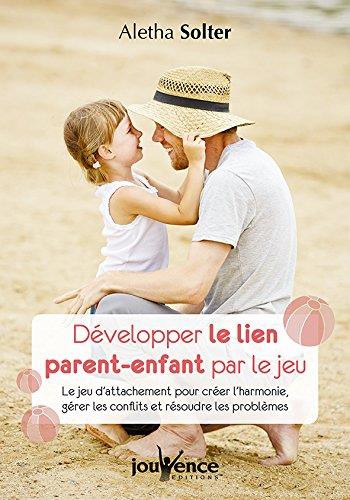
You do not need long sessions to see a difference. A few minutes of undivided attention, a silly chase around the sofa, or a deliberately lost pillow fight can shift the mood of an entire afternoon. Pick moments when everyone is reasonably rested, and keep the games short enough to end on a high note.
Watch for cues that a game is working: genuine laughter, relaxed bodies, children volunteering to join in. Stop when the laughter turns brittle or someone gets hurt. Over time, these small rituals become the way your family handles tension, and children learn that big feelings can be met with play rather than punishment.

My hands-on take
In our house, the pillow fight trick worked better than any lecture I had tried. When my two children were locked in a shouting match over a cushion, I grabbed it, made a ridiculous face and ran into the hallway. They stopped arguing and chased me together, and by the time I let them catch me, they were laughing too hard to remember what the fight was about. I have used the same idea with a favourite toy, hiding it in plain sight and pretending it was impossible to find. The surprise on their faces always broke the tension. What I learned is that these games work best when I am genuinely willing to look foolish and when I stop before anyone gets hurt. I keep them short and spontaneous, and I no longer worry about doing them perfectly.Frequently asked questions
Do I need to explain the meaning of my child's game?
No. Your attention and acceptance are enough; interpreting the scenario out loud is not necessary and can interrupt the play.
What if my child does not want to join a silly game?
Do not insist. Absurdity sits close to mockery, so respect the refusal and try again another time.
When should I stop a power-reversal game?
Stop it when someone gets real pain, ignores another's no, or excitement rises toward violence. The parent sets the limit.
Can these games work with children of different ages?
Yes. Cooperative games and simple absurdity games adapt well, and younger children can join with sturdy, safe toys.
Product Reviews
 Best Toys for Dogs With High Prey Drive |
Best Outdoor Toys for 3-4 Year Olds |
Best Outdoor Toys for 6 Year Olds |
Best Harness for Poodle |
Best LEGO Sets for Adults |
Best Travel Toys for 4 Year Olds on Airplane |
Best Toy Stores in Washington DC |
Best Potty Training Toys |
Best Toys for Tripod Dogs |
Maillot equipe de france







