


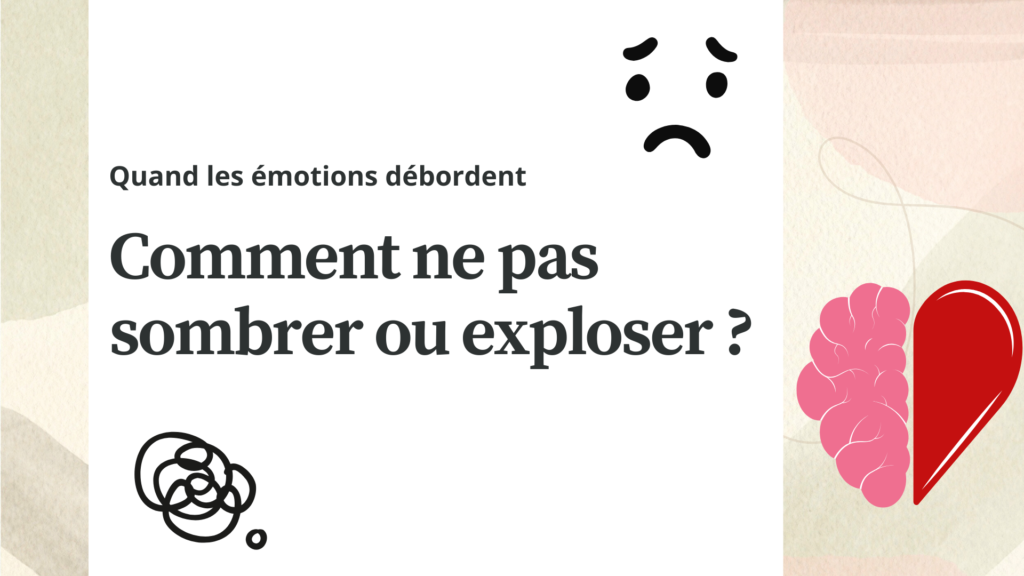
Emotional overwhelm is that uncomfortable moment when a feeling is bigger than you and every attempt to stay calm seems to make it worse. The harder we chase serenity, the more frustrated we become at missing it, and the less serene we actually feel.
Rather than trying to control the emotion itself, we can learn to work with what happens next. A simple image of a wheat field offers a way to step aside from anxiety or intense anger without fighting it.

Quick takeaways
- You cannot control the arrival of an emotion, only what you do next.
- Ruminating and lashing out are fuel on the fire; skip them.
- The wheat field image helps you bend without breaking.
- Emotions are signals about unmet needs, not threats.
- Rehearse the pause during small frustrations so it is ready for big ones.
- Persistent overwhelm is a reason to seek support, not to push harder.
Why You Cannot Simply "Manage" an Emotion
An emotion begins in the body, and its arrival is an unconscious process we do not control. Only afterward does it spread into the mind, and that diffusion is conscious, which means it can be gently reshaped with practice.
This matters most in difficult times marked by uncertainty and tension. Our emotional system serves a deeply practical purpose: the unconscious conservation of life. Welcoming feelings as messages, letting them pass through us, and responding to their vital intention is a skill we build over time.
Emotions may be uncomfortable, but they are not dangerous. The body can carry painful signals without being a threat, and remembering this takes some of the fear out of intense moments.
Stop Adding Fuel to the Fire
The first useful move is to avoid pouring oil on the flames. That oil takes the form of ruminating thoughts, harsh self-talk, or verbal and physical aggression, all of which keep us stuck in resentment and discomfort instead of bringing relief.
Keeping a single image in mind helps us resist the urge to explain, avoid, or control everything. Just as you would not try to reason with a toddler mid-tantrum, you do not need to solve a feeling while it is still rising. Sometimes the wisest response is simply to pause and breathe, much like finding calm during rest during pregnancy when your body asks for slowness. The same restraint applies online, where curiosity about disturbing trends such as the Blue Whale challenge is better met with calm awareness than panic.
When you notice the impulse to argue, shout, or over-analyze, treat it as a signal to soften rather than push harder. If you need somewhere soothing to reset, consider natural places with your children.
| Situation | Automatic reaction | Wheat field response |
|---|---|---|
| Sudden anger | Raise your voice | Pause and name the feeling |
| Anxiety spiral | Ruminate for hours | Breathe and let it pass |
| Child's tantrum | Argue or threaten | Stay calm and stay close |
| Sadness | Suppress or hide it | Accept and allow the feeling |
| Overstimulation | Try to control everything | Step aside and simplify |
The Wheat Field Metaphor, Step by Step
Picture a field of wheat, stalks standing straight and reaching toward the sun. A storm arrives, much like an emotion, and under the weight of the rain each stalk bends and folds, the way people bow under the weight of painful feelings.
But the storm does not last, and the sun always returns. The stalk straightens and recovers its original shape. We are like that wheat: temporarily unsettled by a sharp, unpleasant emotion, yet capable of adapting without a fight, simply by staying in contact with the feeling and accepting it as it is.
Bending Without Breaking
Emotions are alert signals about unmet needs, and we can no more stop them than the stalk can stop the rain. We can accept being soaked to the neck and bending, while realizing we are not broken. This small step to the side interrupts automatic reactions such as screaming, crying, hitting, or hours of rumination.
For parents, that pause is often the difference between snapping and responding. It pairs well with practical routines, such as relieve fatigue after a broken night, that lower the overall pressure on your system.
Practicing the Pause in Daily Family Life
A metaphor only helps if you rehearse it before the storm. Try recalling the wheat field during small irritations, like a spilled drink or a delayed departure, so the image is familiar when something bigger hits.
Naming the feeling out loud also helps children see the process in action. You might say you are frustrated and need a moment, modeling that feelings are messages rather than emergencies. Everyday caregiving moments, from removing the diaper to bedtime routines, are natural chances to practice patience, and working from home with little ones offers plenty of rehearsal too.
Building a calmer environment supports this work. Decluttering the playroom, as in these organize toys ideas, reduces the visual noise that fuels overstimulation, and soft sensory tools like sensory blankets can offer comfort when a child needs to settle. Choosing fine motor toys that engage hands calmly can also help children self-regulate.
When Overwhelm Is a Signal to Seek Support
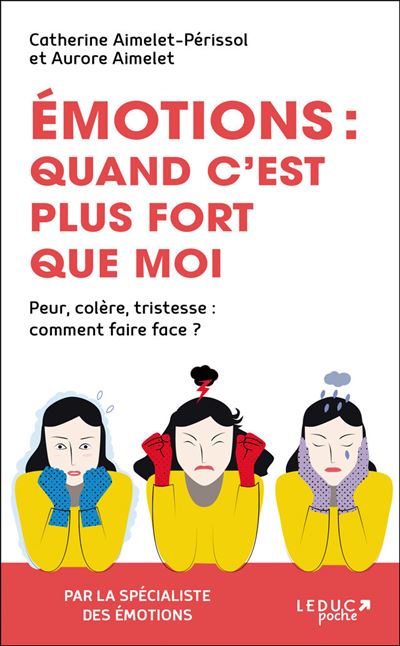
Accepting emotions does not mean ignoring genuine distress. If overwhelm is constant, or if you notice persistent anxiety or anger that interferes with daily life, reaching out to a trusted professional is a sensible step, not a failure.
The same principle applies to children. A child who melts down repeatedly may be signaling an unmet need, whether it is rest, connection, or predictability. Preparing for transitions, like the school route each morning, can reduce the number of storms you face.
Above all, be patient with yourself. The goal is not to become permanently calm but to recover a little faster each time, bending like the wheat and trusting that the sun returns.

My hands-on take
I first tried the wheat field image on a morning when everything went wrong before breakfast. My instinct was to snap, but instead I pictured the stalks bending in the rain and told myself I was soaked, not broken. It sounds a little silly, yet it bought me the few seconds I needed to breathe and respond instead of react.
What I have learned is that the pause is a muscle. On calm days I practice naming small frustrations out loud, so the image is ready when something bigger arrives. I am not a permanently zen parent, and that is fine. Bending a little and recovering a little faster each time has made our home noticeably gentler.
Frequently asked questions
Does accepting an emotion mean I am giving in to it?
No. Accepting a feeling simply means you stop fighting its arrival. You can still choose your response once the intensity settles.
How long does the wheat field image take to work?
It is a quick mental reset rather than an instant fix. With practice, recalling it becomes faster and helps you interrupt automatic reactions sooner.
Can I teach this to my children?
Yes. Naming feelings out loud and modeling a pause shows children that emotions are manageable. Keep the language simple and age-appropriate.
When should I worry about my emotional overwhelm?
If overwhelm is frequent or disrupts daily life, consider talking to a professional. Persistent distress deserves support rather than silent endurance.
Product Reviews
 Best Toys for Dogs With High Prey Drive |
Best Outdoor Toys for 3-4 Year Olds |
Best Outdoor Toys for 6 Year Olds |
Best Harness for Poodle |
Best LEGO Sets for Adults |
Best Travel Toys for 4 Year Olds on Airplane |
Best Toy Stores in Washington DC |
Best Potty Training Toys |
Best Toys for Tripod Dogs |
Maillot equipe de france







