


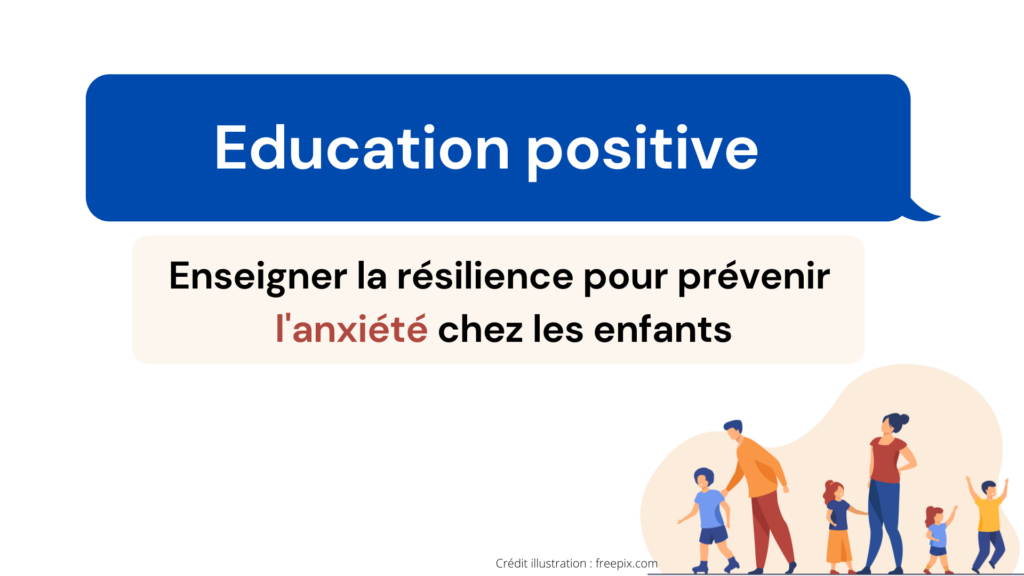
Positive education is the practice of teaching children the skills that help them face life's difficulties, not just the academic basics. A psychologist's approach to resilience shows how this can complement reading, writing and counting.
In France, concerns about school depression, psychological difficulties and school failure are growing. One cited figure puts clinical depression among children at roughly 7.3% to 9.5% in 2017, and the most sensitive children are often those who benefit most from learning resilience skills.

Quick takeaways
- Positive education complements academic basics with life skills.
- Wellbeing and resilience are the two core pillars.
- The SPARK model maps situation, perception, emotion, reaction and knowledge.
- The "inner parrot" metaphor helps children challenge unhelpful thoughts.
- Adults must model calm stress management first.
- These skills support prevention, not a replacement for professional care.
The gap between what we want and what school teaches
Ask yourself two questions: what do you most wish for your children, and what do they actually learn at school? The distance between the two answers reveals a lot. Most parents want happiness, confidence and balance, while school focuses mainly on fundamentals.
This is where positive education comes in. It does not replace core learning; it completes it by teaching children to cope with stress, setbacks and transitions. The same idea applies to teenagers facing exam pressure, who can benefit from strategies to test anxiety help.
Two pillars: wellbeing and everyday resilience
Positive education rests on two pillars: wellbeing and resilience. Wellbeing covers motivation, body awareness, emotion management and problem-solving. Resilience is the ability to control your reaction to situations, overcome difficulties and bounce back after a trial.
Resilience matters after major trauma, but it also applies to daily life: a bad grade, a failed exam, a stressful moment or a big transition. Children who learn to handle these small storms build a protective habit for later challenges, much like the lessons gathered in places to visit together.
Why these skills matter
People who meet everyday difficulties with resilience tend to be healthier and live longer, are happier in their relationships and are less likely to become depressed. Building these habits early is a genuine investment in mental health, just as everyday health choices support physical wellbeing.
The SPARK model: a map for difficult moments
The SPARK program gives children a simple model for understanding hard situations. S stands for the objective Situation, P for personal Perception, A for what happens inside (Affect and emotions), R for Reaction and K for Knowledge, the conclusions drawn.
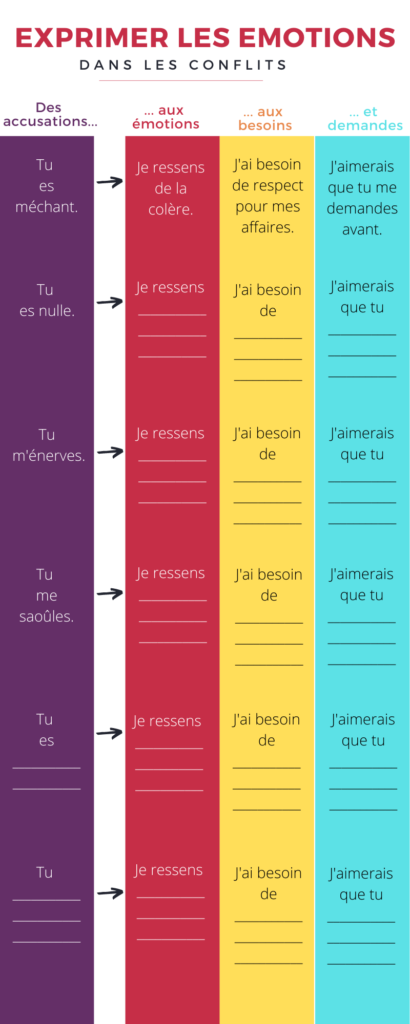
With the model in hand, children can work on each step. They learn to see situations objectively, like a camera filming without blame, and to reason in terms of personal needs rather than accusations. Calming techniques help too, much like the soothing routines that help a newborn settle calmly.
Taming the inner parrot
The inner voice is pictured as a parrot that can be worried or accusing. A worried parrot predicts disaster; an accusing one blames everyone else. Children can talk back to it by finding counter-examples or thanking it for the warning and asking it to quiet down.

Building the psychosocial skills step by step
Once the model is understood, children practise skills tied to each letter. For perception, they learn optimism, a growth mindset and the ability to step back and change viewpoint. For emotions, they learn to recognise, welcome and express feelings, to manage painful ones through movement or breath, and to use emotions as guides.
For reaction, they learn to respond without violence in conflict, echoing the calm communication that helps any family bond strengthen. For knowledge, they learn to make broad-minded decisions and to judge whether a solution worked. These lessons also shape how families share everyday moments, such as enjoying New Year's Eve together.
Adults go first
Teaching resilience starts with adults. Parents and teachers must first notice how they handle their own stress, delays, arguments and chores. Children learn far more from what we model than from what we tell them, so a little self-awareness goes a long way. As one parent of a child with autism reminds us, acceptance begins with understanding.
Making it part of ordinary family life
None of this requires a formal lesson. A calm conversation after a bad day, naming a feeling out loud or wondering together what a worried parrot might be saying are all small practices. They fit naturally into daily routines, from mealtimes to the school run.
Play supports this work too: building, sorting and experimenting all teach cause and effect and patience. Simple cause and effect toys and open-ended foam block toys give young children safe ways to try, fail and try again. Even grown-ups who build for a living learn the same way.
Keep expectations realistic
Resilience is a habit, not a switch. Some days your child will manage beautifully and other days everything falls apart. The goal is progress over time, with plenty of warmth and repair after difficult moments, rather than perfect emotional control.

A gentle complement, not a cure-all
Positive education supports children but does not replace professional help when anxiety is severe. If worries persist, disrupt sleep or school, or seem to grow over weeks, it is worth talking to a doctor or psychologist. The skills described here work best as prevention and everyday support.
Used that way, they give children a language for their inner world and a set of tools they can carry into adolescence and adulthood. That quiet foundation may be one of the most useful gifts we can offer.

My hands-on take
I started using the parrot idea with my own child almost by accident. After a rough day at school, instead of jumping straight to solutions, I asked what the little voice in his head was saying. He described a parrot squawking that everything would go wrong, and we laughed about it together. Naming it made the worry feel smaller and less personal.
What struck me most was how much my own reactions set the tone. On the days I stayed calm and curious, he opened up; on the days I was rushed and tense, he shut down. Now I try to pause before responding, and we often end difficult conversations by asking what we both learned. It is not perfect, but it is a habit we are building together, one small moment at a time.
Frequently asked questions
What is positive education?
It is an approach that teaches children wellbeing and resilience skills alongside academic subjects. The aim is to help them handle stress, setbacks and transitions.
What does SPARK stand for?
SPARK covers Situation, Perception, Affect, Reaction and Knowledge. It gives children a simple map for understanding and responding to difficult moments.
Can this replace therapy for an anxious child?
No. These skills are preventive and supportive. If anxiety is severe or persistent, seek advice from a doctor or psychologist.
Do parents need training?
Not formally, but adult self-awareness matters. How parents handle their own stress strongly shapes what children learn.
Product Reviews
 Best Toys for Dogs With High Prey Drive |
Best Outdoor Toys for 3-4 Year Olds |
Best Outdoor Toys for 6 Year Olds |
Best Harness for Poodle |
Best LEGO Sets for Adults |
Best Travel Toys for 4 Year Olds on Airplane |
Best Toy Stores in Washington DC |
Best Potty Training Toys |
Best Toys for Tripod Dogs |
Maillot equipe de france







