


Playful parenting is a way of raising children that opens up possibilities without falling back on authoritarianism. Instead of asking only how we want our children to behave, it invites a second question: what motivation do we want them to feel when they act?
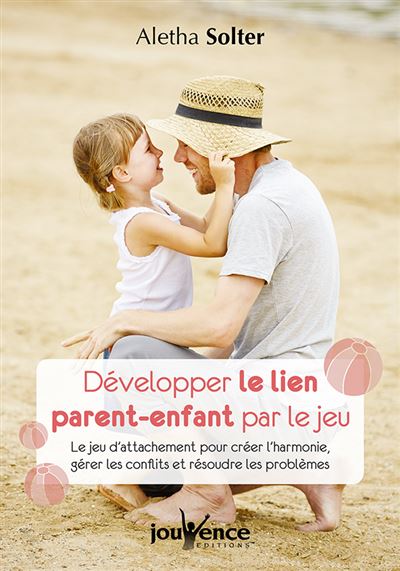
Psychologist Aletha Solter points out that effective discipline grows from a solid parent-child relationship. It leans on children's natural desire to belong, to contribute and to learn. Punishments and rewards can produce obedience, but usually only in the short term.

This article explains why games work, offers three simple ways to encourage cooperation, and shares ten playful ideas you can adapt to your child's maturity and sensitivity.
Quick takeaways
- Playful parenting builds cooperation through connection, not fear.
- Ask what motivation you want your child to feel, not just how to make them obey.
- Explain, offer choices and make tasks fun.
- Let children win power-reversal games to reduce resistance.
- Adapt every game to your child's maturity and sensitivity.
- Never cross the line into mockery; you play together.
Why Games Beat Rewards and Punishments
Solter illustrates the difference with everyday examples. Do you want your four-year-old to stop pulling the cat's tail to avoid a time-out, or because she respects animals? Do you want your six-year-old to set the table for reward points, or because he feels part of the family?
The same logic applies to sibling conflict. Do you want your children to get along because they fear being sent to their rooms, or because they genuinely care for each other? These questions shift the focus from obedience to inner motivation.
Games are powerful because they create connection through positive emotions. That emotional bond is what makes cooperation sustainable rather than temporary.

Three Ways to Encourage Cooperation Without Punishment or Rewards
Solter describes three practical approaches for young children. First, provide explanations, which feed a child's need for meaning. Second, offer choices about how the task is done, which supports the need for autonomy.
Third, make the activity fun. In playful parenting, parent-child games aim to build connection through positive emotions rather than pressure. These three approaches can be mixed in a single situation.
Creativity Over Authority
The great strength of this approach is that it opens every possibility, as long as you are willing to be creative to build connection instead of using authority to create obedience. If you are weighing different philosophies, it helps to reflect on controversial parenting issues before settling on an approach that fits your family.
Reading together is another gentle way to strengthen the relationship that playful discipline depends on, so it is worth knowing reading to baby from an early age. When relatives step in, it also helps to know stop family interference with your baby's care.
Playful games can even be inspired by your child's favourite characters; if you are curious, you can which Ninjago character matches your family's style.
| Situation | Playful approach | Why it works |
|---|---|---|
| Morning rush | Horse galloping game | Turns a demand into shared fun |
| Tooth brushing | Lion brushing with silly finds | Adds humour to a routine |
| Tidying up | Tidy-up song or challenge | Makes the task feel lighter |
| Getting dressed | Stuffed animal as mediator | Shifts the request to a friendly character |
| Clearing the table | Taking turns removing items | Supports autonomy and belonging |
Ten Games for Playful Parenting
Start by framing the task as a game: "Let's pretend we're horses galloping to the car," or "Time for the lion's tooth brushing. Wow, there are feathers between your teeth. Did you eat an ostrich?"
Add music with a tidy-up song or a calming tune. Deliver a message in a different voice, like a robot or a character such as an air traffic controller guiding a plane into its toy-box hangar.
Launch a challenge: "Let's surprise mom by tidying the living room before she gets home." Suggest a competition but let your child win, or propose a creative activity like inventing a dressing dance.
More Ideas to Try
Use a stuffed animal as a mediator: "Big dog says he's cold and it's time to get dressed." Lean into absurdity, like socks on hands or dad wearing the child's shoes. Say the opposite of the norm: "Whatever you do, don't put your shoes on while my back is turned."
Finally, take turns with a task: "Let's clear the table, each removing one thing. You start or shall I?" If you are planning a family outing, visiting grandparents offers plenty of chances to turn routines into games. The same playful approach can ease starting nursery too.

Keeping Play Gentle and Age-Appropriate
These suggestions are proposals, not prescriptions. They are not exhaustive, but they can serve as a base for your own ideas. Adapt them to each child's maturity and receptivity.
The one limit never to cross is mockery. You play together; you do not make children feel foolish. Tone matters more than the game itself.
Play also supports physical development, so consider learning to ride a bike as another playful challenge. Choosing the right equipment matters too, and these children's bicycle tips can help you match the bike to your child.
For quieter moments, open-ended building toys pair well with a playful mindset, and understanding best toddler toys can guide your choices. If LEGO is part of your play, it helps to know what GWP means before you shop.
My hands-on take
In my own home, the tooth-brushing game worked far better than any reminder. Pretending to find feathers and antelope remains between my child's teeth turned a nightly struggle into something we both looked forward to.
I also learned that timing matters. When everyone is tired, a silly voice can backfire and feel like mockery rather than fun. Reading the mood first, then choosing a game, made the biggest difference. The ideas here are starting points, not rules, and the best ones are the games your child helps invent.
Frequently asked questions
What is playful parenting?
It is an approach that uses games, humour and connection to encourage cooperation instead of relying on punishment or rewards. The goal is to nurture a child's inner motivation to contribute.
Does playful parenting mean there are no limits?
No. It replaces authoritarian control with connection, but boundaries still matter. The key limit is never mocking or belittling a child while playing.
Can these games work with older children?
Many can be adapted, though older children may prefer challenges and competitions over silly voices. Adjust each idea to your child's maturity and receptivity.
What if my child does not respond to a game?
These ideas are proposals, not prescriptions. Try another approach, mix explanations and choices with play, and follow your child's cues.
Product Reviews
 Best Toys for Dogs With High Prey Drive |
Best Outdoor Toys for 3-4 Year Olds |
Best Outdoor Toys for 6 Year Olds |
Best Harness for Poodle |
Best LEGO Sets for Adults |
Best Travel Toys for 4 Year Olds on Airplane |
Best Toy Stores in Washington DC |
Best Potty Training Toys |
Best Toys for Tripod Dogs |
Maillot equipe de france







