


A magic massage for kids is a short, gentle finger routine that helps an agitated or overexcited child find calm again and get ready to concentrate. It targets a handful of precise points on the head, face, neck and ears, and each gesture is slow and round.
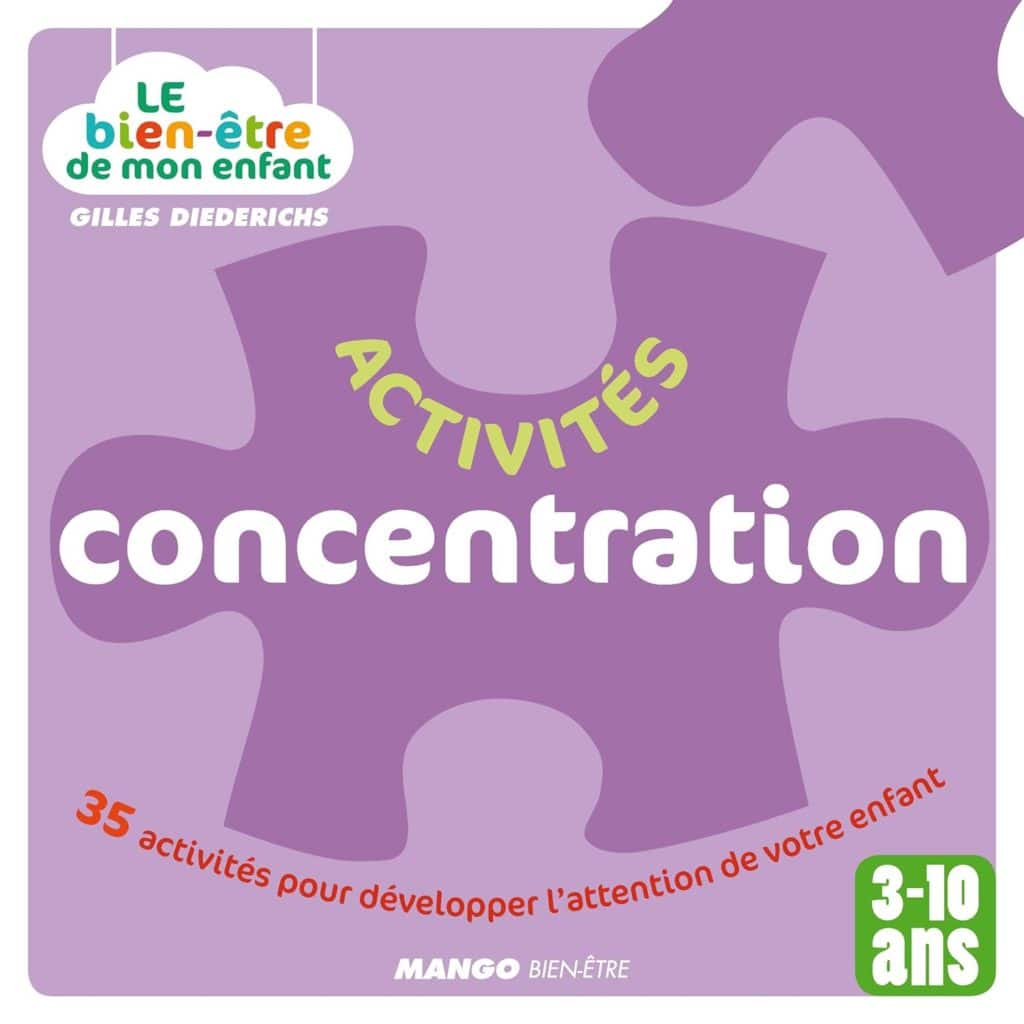
The routine comes from a book of concentration activities for children, and it is simple enough for a parent, a teacher or a child to give. You can do it with bare fingers or with a little sweet almond oil or body lotion, and children as young as four can join in.

Quick takeaways
- A gentle finger massage on set points helps agitated children find calm and focus.
- Work in order: skull, forehead, temples, above the mouth, nape, then ears.
- Spend at least a minute on each point with soft, round movements.
- Use bare fingers or a little sweet almond oil or body lotion.
- Swap massages with classmates or family to build bonds and memory.
- Suitable from age four; always keep it calm and stop if interest fades.
Why a Gentle Massage Helps Children Settle
When children are wound up, their bodies often race ahead of their minds. A slow, repeated touch on the same small points gives them something concrete to notice, and that gentle pressure gradually brings breathing and attention back down. The aim is not to force calm but to offer a simple ritual the child can feel.
This is why the routine works best in a quiet spot, away from screens and noise. The same idea of a soothing, shared moment sits behind many family rituals, much like the comfort of favourite picture books read together at bedtime. A calm body is the first step toward a focused mind.
The Magic Massage Points, Step by Step
Show each instruction on yourself, on the child or on a third person before asking the child to repeat it. With one index finger, gently massage in order: the top of the skull, the centre of the forehead, one temple then the other, and just above the mouth.
Neck and ears to finish
Next, use both index fingers to massage the top of the nape of the neck. Finish with the outline and the lobe of each ear. For every gesture, take at least one minute, press softly and make a well-rounded movement rather than a quick rub.
Children who struggle to sit still may respond better to short, playful routines first, in the same way that learning to ride a bike starts with small, patient steps. Keep the tone light and stop whenever the child loses interest. Just as you would accompany someone grieving with patience, let the child set the pace.

| Order | Point | Gesture |
|---|---|---|
| 1 | Top of the skull | One index finger, soft round motion |
| 2 | Centre of the forehead | One index finger, at least one minute |
| 3 | Each temple | One index finger, one side then the other |
| 4 | Above the mouth | One index finger, gentle pressure |
| 5 | Top of the nape | Both index fingers together |
| 6 | Outline and lobe of ears | Finish gently on each ear |
With or Without Oil, and Where to Practise
You can give the massage with bare hands or with a little sweet almond oil or body lotion, which makes the strokes smoother and adds a pleasant sensory element. Choose a calm place, and keep the lighting soft so the child can relax into the moment.
The routine fits naturally into a classroom corner, a quiet bedroom or a cosy reading nook. Families who enjoy calm, hands-on time together often build a small collection of soothing activities, much like choosing affordable toys that invite quiet play rather than overstimulation.
Massage Swaps Build Bonds and Memory
Encourage children to swap massages: in class with classmates, or at home with mum, dad or brothers and sisters. Giving a massage as well as receiving one strengthens bonds and helps children memorise the points and the sequence far better than watching alone.
The routine is suitable from age four. Pairing it with other shared, cooperative moments, such as Father's Day crafts or simple group games, keeps the focus on connection rather than performance. Children learn best when the activity feels like time together, not a task to complete. Gentle, cooperative care also fits naturally alongside everyday routines like giving drops.
Pairing the Massage With Other Focus Activities
The massage is one tool among many for helping children pay attention. It works well alongside short concentration games, breathing exercises and simple yoga postures, and it can be used as a calm transition before homework or after play.
Some children need extra patience and a tailored approach; a child on the autism spectrum, for example, may prefer firmer pressure, a warning before touch or no touch at all, so read the article on interacting with children on the spectrum for guidance. Others simply need movement and variety, which is where board games and hands-on play can complement the routine.
Making the Routine a Daily Habit
Like any calming practice, the massage works best when it becomes familiar. A short session at the same time each day, perhaps after school or before bed, gives children a predictable anchor and makes the sequence easier to remember.
Keep sessions brief and stop before the child gets restless. Over time, the routine can sit alongside other everyday learning moments, from practising learning to write to preparing a calm space for homework. The goal is a small, reliable pause that children can return to whenever they feel overwhelmed.

My hands-on take
I first tried this routine on a restless evening when nothing else seemed to settle my child. What struck me was how much the slow, round finger movements mattered: quick rubbing did nothing, but the moment I slowed down and spent a full minute on each point, breathing changed and shoulders dropped. The top of the skull and the nape of the neck turned out to be the favourites.
We now use it as a short transition before homework, and my child sometimes asks to give me a massage instead. I keep a small bottle of oil nearby but often skip it, and I always stop the moment interest fades. The routine is less about perfect technique and more about a calm, shared minute together.
Frequently asked questions
What age is the magic massage suitable for?
It is suitable from age four. Younger children may enjoy a simpler, shorter version, but always follow the child's cues and stop if they lose interest.
Do we need oil to do the massage?
No. You can use bare fingers, or add a little sweet almond oil or body lotion for smoother strokes. Choose whichever feels comfortable for the child.
How long should each session last?
Spend at least one minute on each point, which keeps the whole routine short and manageable. The aim is a calm pause, not a long treatment.
Can children give the massage to each other?
Yes. Swapping massages with classmates or family members strengthens bonds and helps children remember the points and the sequence.
Product Reviews
 Best Toys for Dogs With High Prey Drive |
Best Outdoor Toys for 3-4 Year Olds |
Best Outdoor Toys for 6 Year Olds |
Best Harness for Poodle |
Best LEGO Sets for Adults |
Best Travel Toys for 4 Year Olds on Airplane |
Best Toy Stores in Washington DC |
Best Potty Training Toys |
Best Toys for Tripod Dogs |
Maillot equipe de france







