


How to apologize sincerely is a skill most of us were never taught, and the idea of offering excuses can frighten us, even paralyze us: fear of losing face, of admitting fault, of looking weak, of humiliating ourselves. Claude Steiner, a clinical psychologist and pioneer of emotional literacy, recognized that we must clear many obstacles before we become able to take responsibility and offer genuine apologies.
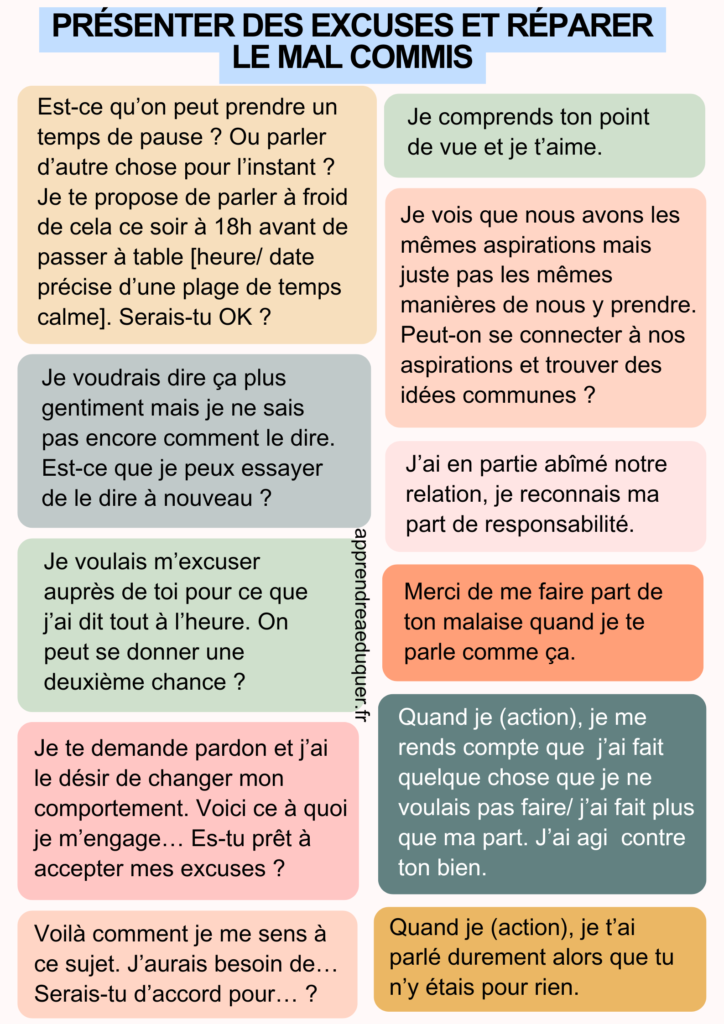
In conflict, we can commit to naming the problem, admitting our clumsiness and mistakes, apologizing, and deciding how we will make things right. That requires a real level of emotional skill, because it can be hard to admit to ourselves that we made a mistake — and even harder to ask forgiveness and commit to changes so it does not happen again.

Quick takeaways
- Apologizing is a skill, not a weakness; fear and pride are the main barriers.
- Sincere excuses carry sadness or regret, never anger, pride, or self-pity.
- Describe the harm clearly and objectively so the other person recognizes it.
- Forgiveness is not automatic; accept the answer you receive.
- Repair means committing to concrete changes so the mistake does not repeat.
- Children learn apology by watching adults do it first.
Why Apologizing Feels So Hard
Apologizing asks us to stand in a vulnerable place. Pride, shame, and the wish to protect our self-image all push back against the simple words "I was wrong." Steiner notes that many obstacles stand between us and sincere excuses, and naming those obstacles is the first step toward moving past them.
This is emotional literacy in action: recognizing what we feel before we speak. If you are raising children, the same skills you model at home shape how they handle conflict later, much as the small daily choices in baby nursery adaptation set a tone for trust.
What Gets in the Way
Fear of humiliation, fear of consequences, and the habit of defending ourselves all delay repair. Recognizing these inner barriers without judging yourself makes an honest apology more possible.
The Conditions for a Real Apology
Steiner sets out clear conditions for excuses that actually restore the bond. The apology must be offered in an emotional tone that is just right: sadness, grief, shame, and/or regret, free of anger, pride, or self-pity. A flat "sorry" or a dramatic one misses the mark.
The request must describe the mistakes and the harm clearly and objectively. The wounded person must agree that the harm has been described precisely by the one apologizing — this shared recognition is what makes the words land. Taking in the other person's response matters too, whether the answer is warm or reserved.
| Element | Helps repair | Undermines repair |
|---|---|---|
| Tone | Sadness, regret, humility | Anger, pride, self-pity |
| Description | Clear, objective naming of the harm | Vague or minimizing words |
| Agreement | Wounded person confirms the harm described | Apologizer decides alone |
| Response | Listening openly to the answer | Demanding forgiveness |
| Follow-through | Concrete plan to avoid repeating | Words with no change |
Accepting That Forgiveness Is Not Automatic
Whoever apologizes must accept that forgiveness does not come automatically and must be willing to hear the other person's answer. Excuses may be refused if they are not judged sincere, if they miss the true cause of the suffering, or if they lack the expected emotional intensity.
That refusal is information, not rejection of you as a person. It tells you the repair is incomplete, and it invites a second, more careful conversation. Patience here mirrors the calm attention we try to bring to everyday moments, from tummy time toys to homework routines.
Listen Without Defending
Let the other person finish. Resist the urge to explain, justify, or bargain. Hearing the hurt fully is itself part of the repair.
Repairing the Harm and Making a Plan
An apology without follow-through is only words. Commit to concrete steps so the same mistake does not repeat, and say them out loud so the other person knows what to expect. Repair can be practical, relational, or both.
Children learn this best by watching us do it. The way we handle our own slips at home shapes family culture, much like the small habits behind homework and rest or the patience needed for English for children practice.
Repair in Everyday Family Life
If you snapped during a rushed morning, name it, apologize, and offer a concrete change. The same calm repair supports routines like character themed meals or preparing for school transition without drama.

Practicing Apology as a Family Habit
Make repair a normal part of family life rather than a rare event. When adults apologize first, children see that mistakes do not end a relationship. Over time, this builds the emotional strength Steiner describes as personal force.
Model it in ordinary moments: after a sharp word, after breaking a promise, after losing patience. The tone you use matters as much as the words, and small rituals of repair can sit alongside other caring routines, such as grandparent bonds or sun protection habits.
Keep It Short and Specific
One clear sentence, one honest feeling, one concrete change. That is enough to begin again.

My hands-on take
I learned most of this the hard way, after a sharp comment I made to my child over a spilled drink. I said sorry quickly, but my tone was flat and my words were vague, and I could see it did not land. Later I tried again: I named exactly what I had said, admitted it was unfair, and told them what I would do differently next time. That second attempt was the one that mattered.
Now I keep the checklist in mind before I speak. I check my tone first, then whether I am describing the real harm rather than a softened version of it. I also try to let the other person respond without interrupting or bargaining. It is not always graceful, but it is honest, and honesty is what repairs the bond.
Frequently asked questions
What makes an apology sincere?
A sincere apology combines the right emotional tone — sadness, regret, or shame rather than anger or pride — with a clear, objective description of the harm. The wounded person should recognize that description as accurate.
Why might someone refuse my apology?
Excuses may be refused if they seem insincere, if they miss the real cause of the suffering, or if they lack the emotional intensity the other person expected. A refusal signals that repair is incomplete, not that you are worthless.
Should I apologize to my children?
Yes. Apologizing to children models emotional literacy and shows that mistakes do not end a relationship. It teaches them how to repair harm in their own friendships and conflicts.
Is it enough to say sorry?
No. A genuine apology includes a commitment to concrete steps so the same mistake does not happen again. Follow-through is what turns words into trust.
Product Reviews
 Best Toys for Dogs With High Prey Drive |
Best Outdoor Toys for 3-4 Year Olds |
Best Outdoor Toys for 6 Year Olds |
Best Harness for Poodle |
Best LEGO Sets for Adults |
Best Travel Toys for 4 Year Olds on Airplane |
Best Toy Stores in Washington DC |
Best Potty Training Toys |
Best Toys for Tripod Dogs |
Maillot equipe de france







