


Gentle parenting is above all a way of being in relationship with your child, so what happens when you are at the end of your rope? Many parents who commit to this approach discover that staying kind and deliberate becomes far harder when they are tired, discouraged or angry.
The good news is that discouragement is not proof you are doing it wrong. It is usually a sign that you are learning something new, and learning always costs a little spontaneity before it gives anything back.

Quick takeaways
- Discouragement is a normal part of learning new relational skills, not a sign of failure.
- Keep the purpose in mind: gentle parenting aims to humanise, not to control.
- Treat conflict and anger as practice opportunities for you and your child.
- Every small response is a brick; the cathedral is built over years, not days.
- Give yourself the right to make mistakes and to repair them calmly.
- Protect your own energy so kindness has something to draw from.
Losing spontaneity and feeling discouraged
When you start down the gentle parenting path, one of the first traps is the impression that you are losing freedom and spontaneity. You may find yourself wondering whether you really have to weigh the impact of every word, rethink every turn of phrase, and dread the consequences of each reaction during a tantrum.
In reality, this is less about policing yourself and more about learning new relational and emotional skills, much as you would learn a foreign language. Learning any new skill means temporarily giving up some spontaneity, practising with trial and error, and only later playing the “music” in your own way. If the early years feel intense, a look at the two-year revolution can help you see why this stage demands so much of your attention.

Keeping your values in mind
Learning the language of kind communication is even harder because it requires unlearning an old script, one inherited from a whole lifetime and from the generations before us. That script is made of everything we heard as children: “Why can you never…?”, “You will always be…”, “Who did that?”, “If you do that, you lose…”, “You are not really hurt.”
A strong idea to hold onto when you feel discouraged, exhausted or angry is the purpose behind gentle parenting: it is a process meant to humanise. No child has ever become a more loving human being through punishment, smacking, deprivation, insults or threats. The way we speak and act with a child shapes the kind of human being they become.
Turning conflict into practice
Keeping that goal in mind lets you see parenting as both learning and teaching. Conflict, fatigue and anger will always be there, but you can choose to treat them as chances to grow. They are opportunities for parents to affirm their values and for children to build emotional and relational skills, which is also why small everyday routines like breastfeeding on demand can be a quiet lesson in responsiveness. As this early hello moment shows, even tiny exchanges carry meaning, and it helps to set aside common baby myths.

| Situation | Old script | Gentle alternative |
|---|---|---|
| Child makes a mistake | “Why can you never do anything right?” | “That did not work. What could you try next?” |
| Child is upset | “You are not really hurt.” | “That looks like it hurt. I am here.” |
| Child misbehaves | “If you do that, you lose it.” | “I will not let you hit. Let us find another way.” |
| Parent loses patience | Swallow it or explode | “I need a minute, then we will talk.” |
| After a hard moment | Pretend it did not happen | Repair calmly and reconnect |
Giving yourself time and the right to make mistakes
In their book on raising happy parents and happy children, Adele Faber and Helene Mazlish tell a short story. Three workers are approached by a villager who asks what they are doing. The first says, “I earn my living.” The second says, “I am stacking bricks.” The third says, “I am building a cathedral.”
We are workers too when we commit to gentle parenting. Our job is raising children, our bricks are our responses at every moment, and our cathedral is fully human children. The story reminds us how much every single interaction contributes to building a child’s skills over time, much like the first LEGO set grew into something far greater. You can never stop an unacceptable behaviour once and for all, today, for the rest of their life.
Small bricks, long building
That is why patience with yourself matters as much as patience with your child. Just as you would not expect a baby to master sleep overnight, you cannot expect yourself to master every response immediately; even a fifteen month old baby needs months of repetition before a routine settles. The same applies to paperwork and deadlines, as the kindergarten check questions show.
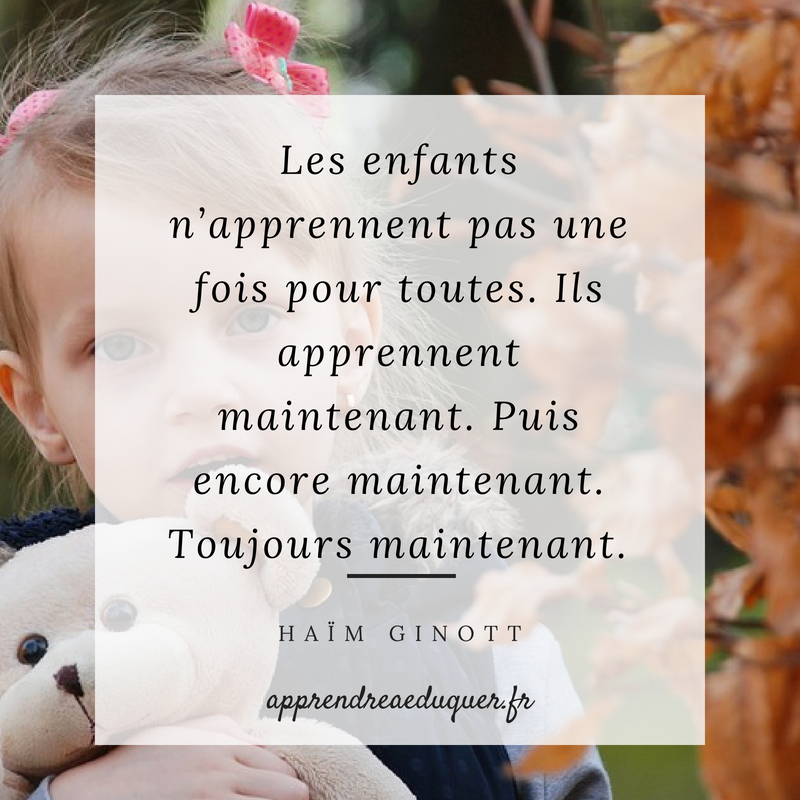
What to do in the moment when you are at the end of your rope
When you feel the wave rising, the first useful move is to lower the demands on yourself, not on your child. Name what is happening out loud, take a breath, and give yourself permission to pause before you answer. A short, honest “I need a minute to calm down” models exactly the emotional skill you are trying to teach.
Second, separate the behaviour from the child, and separate your bad moment from your overall parenting. One harsh reply does not undo months of warmth, just as one difficult evening does not define your family. If you are running on empty because of physical strain, tending to your own body is not selfish; even something like heartburn during pregnancy or a lingering child's ear pain can drain the patience of the whole household.

Rebuilding your energy so kindness has somewhere to come from
Gentle parenting takes reserves, and reserves run dry when nobody refills them. Look honestly at what is eating your energy: broken sleep, illness, an overloaded schedule, or the invisible mental load that so often falls on one person at home. Naming it is the first step toward sharing it.
Then build tiny repair rituals into your day: a few minutes alone with a cup of tea, a walk, a honest conversation with another parent who understands. Play and connection are not rewards for good behaviour, they are fuel; simple shared moments, whether with tummy time toys for a baby or a quiet game for an older child, rebuild the bond that makes cooperation possible.

Accepting that progress is not linear
Some days will feel like a step backwards, and that is part of the process rather than a failure of it. Children test limits precisely because they are learning where the limits are, and parents wobble because they are learning a new language under pressure. Progress shows up in the long run, not in every single afternoon.
Keep the cathedral in mind on the hard days. You are not trying to win today’s battle; you are laying bricks that will hold for years. When you slip, repair matters more than perfection, and a calm apology teaches more than a flawless record ever could.
My hands-on take
I remember a evening when I had planned a calm, connected bedtime and instead heard my own tired voice snap over a lost toy. For a moment I felt like a fraud, as though all the reading and practising had evaporated. What helped was not a grand resolution but a small repair: I sat on the floor, apologised for my tone, and we talked about the toy.
Since then I have stopped measuring my parenting by single moments and started looking at the pattern across weeks. I keep one reminder in mind: the bricks I lay today are not the whole cathedral, and a wobbly brick can always be reset tomorrow.
Frequently asked questions
Does gentle parenting mean I can never feel angry?
No. Anger and fatigue are normal and will always appear. Gentle parenting is about what you do with those feelings, not about never having them.
What if I keep repeating the old phrases I heard as a child?
That is expected, because you are unlearning a script built over a lifetime. Notice it, repair if needed, and treat it as practice rather than proof you are failing.
How long does it take to feel natural?
There is no fixed timeline. Like learning a language, it takes repeated practice and trial and error before it feels like your own.
Is it worth continuing when I feel discouraged?
Yes, if the values still matter to you. Every calm response is a brick in a long building, and progress is measured over years, not afternoons.
Product Reviews
 Best Toys for Dogs With High Prey Drive |
Best Outdoor Toys for 3-4 Year Olds |
Best Outdoor Toys for 6 Year Olds |
Best Harness for Poodle |
Best LEGO Sets for Adults |
Best Travel Toys for 4 Year Olds on Airplane |
Best Toy Stores in Washington DC |
Best Potty Training Toys |
Best Toys for Tripod Dogs |
Maillot equipe de france







