


Zero waste school supplies start with a simple idea: most children need far less new gear than the back-to-school aisles suggest. Before you buy anything, look at what survived last year.
This guide walks through sorting and reusing what you already own, swapping plastic for wood, metal, fabric and leather, and reading labels so that any new purchase lasts. None of it requires a big budget, just a little planning in late August.

Quick takeaways
- Sort last year's supplies into usable, repairable and finished before buying anything
- Pass down, swap or sell bags and pencil cases that are still in good condition
- Choose wood, metal, fabric, cardboard and leather over plastic where possible
- Buy loose rather than in over-wrapped multipacks, and prefer refillable items
- Look for Blue Angel, White Swan, FSC, EU Ecolabel or NF Environnement
- Use paper on both sides and turn junk mail into scrap paper
Sort Last Year's Kit First
Before buying anything, empty the backpack and the pencil case onto a table and sort everything into three piles: still usable, repairable, and finished. Odds are your child needs very few genuinely new items. If the backpack still works, could it last one more year, perhaps with a patch, a new zip pull or a name tag to make it feel fresh again?
When a child has simply grown tired of a bag that is still perfectly good, try swapping or selling it second-hand and looking for a replacement the same way. Bags that have become too small can be passed down to younger siblings, cousins or neighbours. The same logic applies to the pencil case: an unwanted but usable one can become the home for felt tips and coloured pencils. The goal is to reconcile children's changing tastes, because a superhero or princess pencil case in year five can feel embarrassing, without giving in to overconsumption. Just as with childbirth recovery, a little planning and patience go a long way.
Creative fixes and local options
Parents who sew can make a bag themselves, and plenty of online tutorials exist; local makers and seamstresses sometimes sell handmade bags too. Some brands commit to local manufacturing, others to organic or eco materials. All the small equipment, from erasers and pens to coloured pencils, felt tips, rulers and compasses, can be sorted for reuse as well. Charity shops and reuse centres often hold special sales in August, where binders and small supplies go for very little. If your child is also getting ready for bigger steps this year, these bike riding can help you plan the journey to school. Knowing the most frequent symptoms to watch for is another way parents prepare ahead.
Avoid Plastic Where You Can
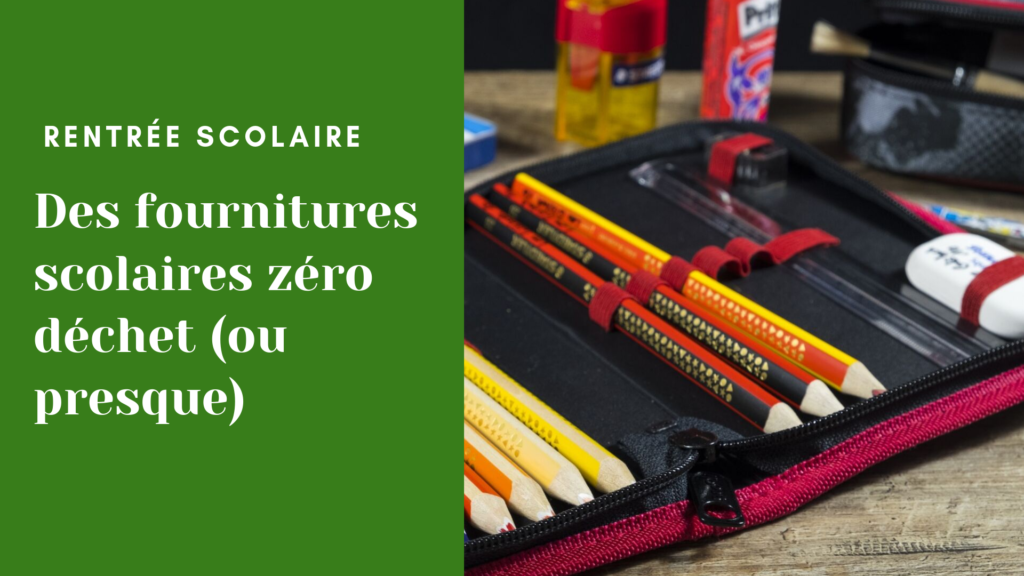
Durable materials that are less harmful than plastic can be favoured: wood, fabric, metal, cardboard and leather. A wooden or metal ruler outlasts a plastic one, a metal pencil sharpener survives years, and a fabric pencil case can be washed. For notebooks, choose a cardboard cover rather than a plasticised one, and reuse last year's covers where they are still intact. Kraft paper or fabric book covers are easy to make yourself following a video tutorial.
Swap plastic-cased felt tips for wooden pencils, and choose dry highlighters made from wood or water-based ink. Buy small items loose rather than in over-wrapped multipacks, which usually means a stationery shop rather than a supermarket. At home you can even make your own glue from simple recipes found online, and wash hands before handling shared supplies or food.
Buy for durability, then personalise
When you do buy new, choose for longevity: a backpack with a reinforced base, binders with reinforced corners, refillable pens and mechanical pencils. Pick neutral designs and let your child personalise them with badges, pins or book covers, rather than branded characters they may tire of by next year. The same applies to a water bottle: stainless steel is better for both the environment and health. If you are packing lunches and bags for warm days, this summer bag checklist pairs well with a zero waste kit, and homemade Christmas nougat makes a lovely plastic-free treat to share.
| Item | Plastic version | Durable alternative |
|---|---|---|
| Ruler | Plastic ruler | Wooden or metal ruler |
| Pencil sharpener | Plastic body | Metal sharpener |
| Pencil case | Moulded plastic | Fabric or leather case |
| Book cover | Plasticised cover | Kraft paper, fabric or reused cover |
| Colouring pens | Plastic-cased felt tips | Wooden coloured pencils |
| Glue | Solvent-based stick | Refillable stick or flour glue |
Know the Labels Before You Buy
When buying, favour certified products and avoid packaging, or at least choose recyclable packaging. Look for refillable glue sticks and solvent-free glue, such as white glue in a pot or stick, or natural flour glue. Choose notebooks made from recycled FSC paper without spiral binding, erasers made without PVC or plasticisers, and fountain pens in wood or metal with ink refills.
Two labels worth knowing are Blue Angel and White Swan, which address environmental impact such as water, energy and waste as well as health, by excluding toxic substances. FSC certification confirms that a forest is well managed, though it does not consider the country of origin, while the EU Ecolabel limits a product's overall environmental impact. The NF Environnement label also applies to stationery.
Cut paper waste at home
To reduce paper waste, use sheets on both sides and turn anything transformable into scrap paper, junk mail included. Online shops specialising in eco-friendly office and school supplies stock these alternatives, and local stationery shops carry much of the range too, or can usually order it on request. That is often the simplest way to keep money in your neighbourhood while buying less and better.
Make It a Family Project
A zero waste back-to-school season works best when children are involved in the decisions rather than simply handed a new kit. Let them choose the badges and the fabric for a book cover, and explain why the old ruler is staying. That conversation is part of learning to communicate, and these communication recommendations can help you keep it calm rather than preachy. Much like planning a family New Year's Eve, the aim is shared decisions rather than instructions.
You can also turn the sorting session into a small ritual: wash the pencil case, sharpen the pencils, test the pens and write a list of what is genuinely missing. Keep that list in your bag when you shop so you are not tempted by promotions. For younger siblings, a few sturdy hand-me-downs plus one small new item often feels like plenty, and familiar toys can keep them busy while you sort the older child's things, as these imaginative play toys show. A small treat afterwards, much like the ice cream moments of summer, can round off the task nicely.

Plan the Whole Routine, Not Just the Kit
Supplies are only one part of a calm start to the year. A reusable water bottle, a lunch box and a sturdy bag all need a place by the door, and a short evening routine saves morning scrambles. If your child walks or cycles part of the way, check the route together before term begins, and think about visibility on darker mornings.
Older children can take charge of their own list, checking what runs out each month and adding it to a shared shopping note. That habit reduces both waste and last-minute panic purchases. Small, repeated actions like refilling a pen or reusing a folder matter more over a school career than one perfect eco-friendly haul in September.
My hands-on take
I started doing the September sort with my own children a few years ago, mostly out of frustration at how much got thrown away. The first year was chaos: three half-used glue sticks, a ruler nobody claimed and a pencil case full of broken crayons. Now we do it together at the kitchen table, and the rule is simple, nothing new comes in until the old pile has been dealt with.
What surprised me most was how much children enjoy the personalising part. A plain fabric case plus a couple of badges beat the branded one every time, and it survived the whole year. I also keep a small box of scrap paper by the desk, which has quietly cut down on the amount of paper we buy. It is not perfect, but it is noticeably less wasteful than before.
Frequently asked questions
Do I really need to buy new supplies every September?
No. Most children already own usable equipment from the previous year. Sort everything first and only replace what is broken, lost or genuinely outgrown.
Which labels should I look for on stationery?
Blue Angel and White Swan cover both environmental impact and health, while FSC confirms well-managed forests and the EU Ecolabel limits overall environmental impact. NF Environnement also applies to stationery.
Is a stainless steel water bottle worth it?
It is generally better for the environment and for health than disposable or soft plastic bottles. One sturdy bottle can last several school years.
How can I reduce paper waste during the school year?
Print and write on both sides, reuse covers and folders, and keep a scrap paper tray for junk mail. A shared shopping list also prevents duplicate purchases.
Product Reviews
 Best Toys for Dogs With High Prey Drive |
Best Outdoor Toys for 3-4 Year Olds |
Best Outdoor Toys for 6 Year Olds |
Best Harness for Poodle |
Best LEGO Sets for Adults |
Best Travel Toys for 4 Year Olds on Airplane |
Best Toy Stores in Washington DC |
Best Potty Training Toys |
Best Toys for Tripod Dogs |
Maillot equipe de france







