


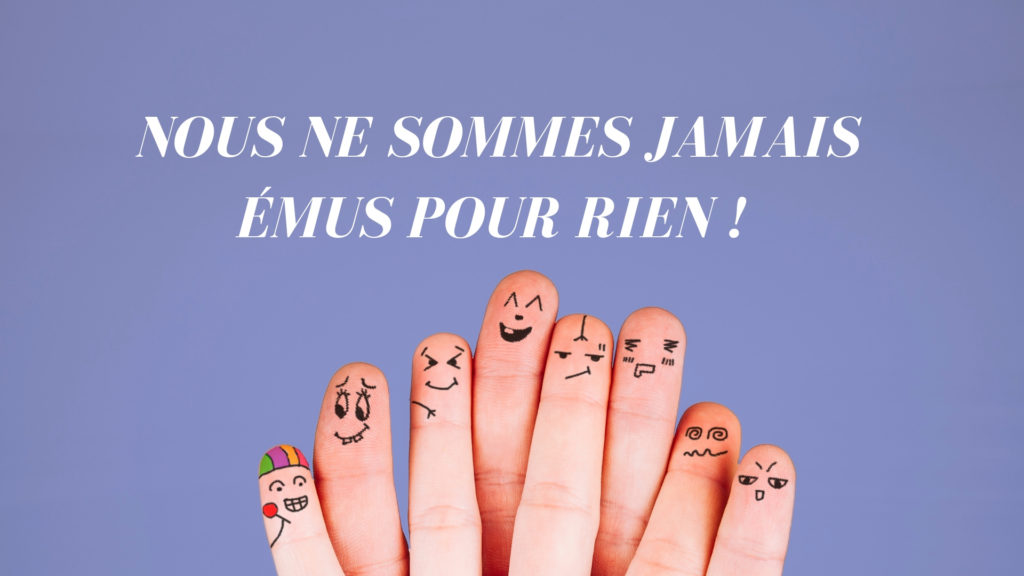
Why children never cry for nothing is a question every parent eventually asks, usually at the end of a long day. We often assume a meltdown, a sudden fear or a burst of tears comes out of nowhere, yet an emotion is never born from "nothing."
Every emotion is triggered by something outside us that lands as a shock inside us, which means it always has a good reason to appear. Understanding this changes how we react to our children and to ourselves.

Quick takeaways
- An emotion is never born from "nothing": it always answers a real trigger.
- Fear triggers flight, anger triggers fight, sadness triggers withdrawal.
- Emotions are a biological alarm system shared by all humans.
- Not understanding emotions adds suffering to unpleasant feelings.
- Childhood survival strategies can harden into character traits.
- Slowing down and naming the trigger restores balance and freedom.
Are We Ever Emotional for Nothing?
An emotion is a bodily movement aimed at preserving us, physically and psychologically. Without this alarm system, our whole existence would be at risk. When the brain interprets information as a danger or a threat, it produces an unpleasant emotion along with physical energy that prepares one of three defence mechanisms.
Fear triggers flight, anger triggers fight, and sadness triggers withdrawal. These emotions and the survival reflexes that come with them help us recover a balance that was lost. That temporary loss of balance is not a problem in itself; it is a way of being informed about what our senses have picked up. Much like the cat toys that spark a sudden pounce, a strong reaction usually answers a real trigger.
The flame and the pain
A useful comparison is the pain we feel when we touch a flame. The pain tells us the fire is not good for the skin, and it is precisely what makes us pull our hand away. Emotions work the same way: the emotional programme is biological and shared by all humans as a defence in the service of life.
Why Emotions Are Never the Problem
Emotions themselves are never problematic, but not knowing how they work can add suffering to an unpleasant feeling. Although the survival programme is common to everyone, each person implements it differently. Depending on our past experiences and the people we have met, some parts of the programme get adapted to serve life "better" — often better in the short term, worse in the long term.
A child facing an aggressive or authoritarian parent may adopt a withdrawn attitude. That retreat is genuinely effective in those precise circumstances, but gradually the brain records the strategy as the best one in every case. This is why the adult authority a child meets shapes so much of their emotional habits, much as everyday routines like fun pajamas quietly set the emotional tone at home.
We grow up building habits tinged with fear, anger or sadness. What was essential for bodily survival slowly extends into the mind, with explanations, justifications, projections and beliefs. These behavioural habits can harden into real character traits, and understanding what anger, fear or sadness is for helps us move past this distorted functioning.
| Emotion | Defence reflex | What it protects | Parent response |
|---|---|---|---|
| Fear | Flight | Physical safety | Reassure and stay close |
| Anger | Fight | Boundaries and integrity | Stay calm, name the limit |
| Sadness | Withdrawal | Emotional recovery | Offer quiet presence |
| Joy | Openness | Connection and vitality | Share and name it |
| All emotions | Restoration of balance | Survival and needs | Slow down and observe |
What Fear, Anger and Sadness Are For
Fear, anger and sadness are genuine ordeals, which is why we would love to do without them. Yet we cannot, because emotion plays a part in meeting our needs. The first role is to preserve the integrity of the body: staying safe and healthy, keeping organs balanced, breathing, satisfying hunger, and balancing rest with activity.
When the body is affected by a shock, emotion allows an immediate physical reaction and a restoration of inner balance. The second role is to satisfy our need for security, which underpins so much of how a family functions day to day. A calm, secure home, much like the happy family routines many parents aim for, gives emotions room to settle.
Reading the signal
Rather than asking why a child is crying "for nothing," we can slow down and bring attention to the present moment. This brings more information to consciousness and helps us understand, with more finesse, the information the brain evaluated automatically and outside awareness.
How to Respond When a Child Is Overwhelmed
Because an emotion always has a reason, the useful question is not "why are you crying for nothing?" but "what did you perceive?" Slowing our own attention and staying anchored in the reality of the moment helps us catch the trigger our child cannot yet name. This is the same patience we need when children say funny phrases that reveal far more than they seem to. The funniest fatherhood tweets remind us that humor and patience go hand in hand.
Understanding the purpose of anger, fear and sadness lets us move beyond the distorted use of emotions and recover more vitality and personal freedom. It also protects the child's sense of having their own space, much like the baby space a young child needs to feel grounded.
None of this means accepting every behaviour. It means separating the emotion, which is always legitimate, from the action, which can be guided. A parent who stays calm and clear, holding the control visits or daily routines without drama, gives the child a steady reference point for their own storms.
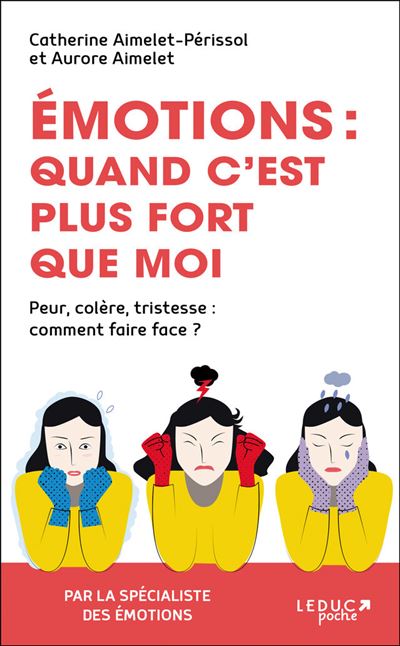
Building Emotional Habits That Serve Life
Our emotional habits were built for survival, and they can be gently reshaped. Naming what we feel, linking it to a concrete trigger and noticing the old memory it awakens is a practical first step. Over time, this turns automatic reactions into informed choices.
For parents, the work starts with our own reactions. When we notice our own fear or anger rising, we can pause and ask what we actually perceived. This modelling matters as much as any conversation, and it echoes the time we spend with our children, which becomes their memory tomorrow.
Emotions are not obstacles to a good family life; they are the information system that keeps it alive. Welcoming them with curiosity, in ourselves and in our children, restores the balance they were designed to protect.

My hands-on take
I used to say "you're crying for nothing" more often than I like to admit, usually when I was tired and wanted the noise to stop. What changed for me was learning to pause and ask a quieter question: what did you just hear, see or feel? Sometimes the answer was obvious once I stopped rushing.
In my own experience, naming the trigger out loud — "that loud noise scared you" — calmed things faster than any distraction. I still get it wrong, but treating the emotion as information rather than an inconvenience has made our home noticeably steadier.
Frequently asked questions
Do children really cry for nothing?
No. An emotion is always triggered by something perceived through the senses, even if the child cannot explain it. The trigger may be a sound, a look or an old memory, but it always has a reason.
Is it wrong to feel angry or afraid?
Not at all. Fear, anger and sadness are biological defence mechanisms that protect us and help meet our needs. The emotion is never the problem; confusion about how it works is what adds suffering.
How can I help my child with big emotions?
Slow down, stay in the present moment and help your child name what they perceived. Separating the legitimate emotion from the behaviour you need to guide keeps the connection intact.
Can emotional habits change?
Yes. Habits built in childhood can be reshaped by noticing triggers and choosing responses consciously. This takes practice, but it restores vitality and personal freedom.
Product Reviews
 Best Toys for Dogs With High Prey Drive |
Best Outdoor Toys for 3-4 Year Olds |
Best Outdoor Toys for 6 Year Olds |
Best Harness for Poodle |
Best LEGO Sets for Adults |
Best Travel Toys for 4 Year Olds on Airplane |
Best Toy Stores in Washington DC |
Best Potty Training Toys |
Best Toys for Tripod Dogs |
Maillot equipe de france







