


Neuromyths are false beliefs dressed up in scientific language, and they circulate widely in parenting and education. Understanding them matters because brain science is increasingly used to sell products, methods and school equipment.
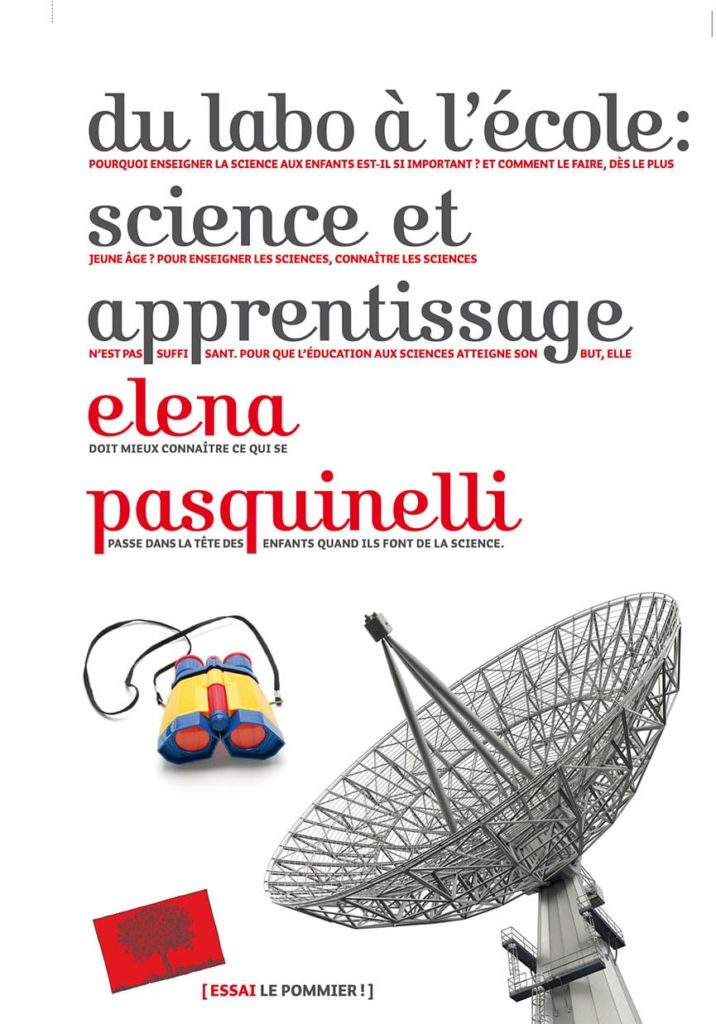
Elena Pasquinelli, a researcher in philosophy and cognitive science, urges caution when neuroscience is applied to teaching. She identifies four risks worth knowing before you change how you raise or teach a child.

This article walks through each risk and the myths behind them, so you can judge claims with a clearer eye.
Quick takeaways
- Science informs decisions but does not dictate values or goals.
- Lab findings rarely transfer directly to a busy classroom.
- Brain images and jargon make claims feel truer than they are.
- Neuromyths survive because they sound scientific and simple.
- Brain Gym and the Mozart effect do no harm but do not boost learning.
- The brain is single-task, not a muscle to train.
Risk 1: Treating science as a set of orders
Education serves many values beyond better marks in a subject. We also want children to interact peacefully, think critically and exercise their freedom while respecting others. Science does not tell us what to do; it can only help us base decisions on knowledge of what happens.
Pasquinelli cites a study, later disproved, suggesting girls learn better when separated from boys. That finding could be used to argue for single-sex schools, but is that really what we want politically and ethically? A useful reminder when reading about parenting tricks or any method presented as proven.
Values come first
Before adopting a practice, ask what goal it serves. A technique can raise test scores and still conflict with the kind of people we hope to raise.
Risk 2: Assuming the lab equals the classroom
Well-conducted studies show that repetition aids memory: reading a text five times spaced out beats reading it five times in a row. Repetition is a solid cognitive finding, but those studies were not run in a classroom where motivation and group dynamics are at play.
Applying cognitive science is especially hard in a group setting. What works one-to-one may collapse when thirty children, moods and distractions are involved. The same caution applies to advice on combining homework with rest: context changes everything. It also applies to holding children and to baby sleep problems, where real-world conditions differ from controlled studies.
Context is not noise
Treat lab results as clues, not recipes. Test them gently in your own home or class and watch what actually happens.

| Neuromyth | The claim | What research suggests |
|---|---|---|
| Mozart effect | Classical music raises intelligence | No lasting intelligence boost |
| First three years | Learning windows close early | Adult brains still adapt and change |
| Brain as muscle | Brain training makes you smarter | Memory gains come from strategies |
| 10% of the brain | We use only a tenth | The whole brain is active |
| Left/right brain | Hemispheres need reconnecting | They already work together |
| Multitasking | We do several things at once | The brain switches between tasks |
Risk 3: The persuasive power of brain images
Simply adding brain scans or references to a specific brain area makes a document more convincing. People often confuse a location in the brain with an explanation of a mental phenomenon.
This is why flashy diagrams sell learning programmes so well. When you see a colourful brain on a box, pause. The image proves nothing about whether the toy or method helps a child learn, any more than a clever creativity games label guarantees real benefit.
Jargon is not evidence
Neuroscientific words can dress up weak claims. Ask what the evidence actually shows, not how scientific the wording sounds.
Risk 4: How neuromyths are born
Neuromyths are false beliefs expressed in scientific language, often inspired by studies that were misinterpreted, simplified, extrapolated or even outdated. They resist correction, which is what makes them so persistent.
Pasquinelli lists several. The Mozart effect claims classical music makes you smarter. The myth of the first three years treats early childhood as a closing window, yet even the adult brain produces new neurons and reorganises cortex areas. Absolute brain plasticity is another: we should speak of synaptic plasticity, the strength of connections between neurons, which is enough to keep learning every day.
Multitasking and the brain-as-muscle
The brain is strictly single-task; it switches rather than doing two things at once. And while we are curious and enjoy solving problems, brain training like sudokus does not make us smarter. People who boost memory use strategies such as grouping information together.
The 10% myth follows from the muscle idea: if the brain is a muscle, train the unused 90%. The left/right brain myth is similar. The hemispheres differ and do different things, but they work together and need no reconnecting. Brain Gym rests on this neuromyth: like listening to classical music, it does no harm but does not make school learning more effective. Even simple activities such as board games are best seen as fun, not as brain training. Likewise, a child's wish for a pet, as in wanting a chameleon, is a moment for curiosity rather than a shortcut to a smarter brain.
Spending wisely on school and home
Pasquinelli invites caution before making decisions or investing money in equipment for school. The same goes for home purchases, from independent play toys to pricey learning kits, and even potty training toys deserve a second look before you buy.
None of this means rejecting neuroscience. The meeting between education and brain science should continue; it just needs humility. Keep curiosity alive, check claims, and remember that a happy, well-rested child learning through throwing everything on the floor is already doing serious developmental work.
A simple filter
Ask three questions: what is the evidence, what is the goal, and does it fit my child? That filter protects you from most neuromyths.

My hands-on take
When my eldest started school, I bought into the brain-training idea without thinking. We had a puzzle book sold as a memory booster, and I genuinely believed the sudokus would make my child sharper. Looking back, the real gains came from something far less marketable: reading the same favourite book together, spaced over weeks, and talking about it.
I now keep a simple habit. Whenever a product claims to be backed by brain science, I ask what the evidence actually shows and what goal it serves. Most of the time, the honest answer is that a calm routine, sleep and unhurried play do more than any gadget. That filter has saved me money and a little worry.
Frequently asked questions
What exactly is a neuromyth?
It is a false belief stated in scientific language, usually born from studies that were misinterpreted, oversimplified or outdated. Neuromyths persist because they sound credible and are repeated often.
Is Brain Gym harmful for children?
No, the exercises are not dangerous. The problem is the claim behind them: they rest on the left/right brain myth and do not make school learning more effective.
Should I ignore neuroscience entirely?
Not at all. Brain science can inform teaching and parenting, but it should guide reflection rather than dictate rules. Check the evidence and keep your own educational values in view.
Does listening to classical music help my child learn?
It does no harm and may be enjoyable, but the idea that it raises intelligence is not supported. Treat music as pleasure, not as a learning shortcut.
Product Reviews
 Best Toys for Dogs With High Prey Drive |
Best Outdoor Toys for 3-4 Year Olds |
Best Outdoor Toys for 6 Year Olds |
Best Harness for Poodle |
Best LEGO Sets for Adults |
Best Travel Toys for 4 Year Olds on Airplane |
Best Toy Stores in Washington DC |
Best Potty Training Toys |
Best Toys for Tripod Dogs |
Maillot equipe de france







