


A children's book about fear can be a surprisingly practical tool when your toddler is convinced something is lurking under the bed. This gentle picture book follows a small heroine who lists her worries one by one, from night noises and the big bad wolf to a barking dog and a rumbling storm.
What makes it useful is that it does not stop at naming the fear. Page after page, the little girl describes how fear feels in her body, then finds a small trick to tame each worry, and by the end her mountain of fears has visibly shrunk.

Quick takeaways
- The book names common toddler fears, from night noises to storms and barking dogs
- It describes how fear feels in the body, giving families a shared vocabulary
- Each fear comes with a small, realistic trick rather than a magic solution
- The shrinking mountain ending builds self-confidence as children grow
- Cut-out pages and thick board pages suit children from around two years old
- Use it as a conversation starter in daylight, not only during scary moments
A Small Heroine With a Mountain of Fears
The book was written by the same author behind another much-loved picture book, and it brings back the very same heroine. Page after page, she introduces her small and not-so-small fears: noises under the bed at night, the big bad wolf in the forest, the big dog that barks, or the storm that rumbles. She has a whole pile of them, and together they feel like a mountain.
That mountain image matters. Young children often experience several worries at once, and seeing them drawn as one big pile helps a child recognise that the feeling is real and shared. If your child is also starting to show interest in letters and sounds while you read together, our guide on reading and writing development explains what comes next. For families who enjoy revisiting shared childhood favourites, these classic ice creams are a sweet way to connect generations.
Why Naming the Fear Comes First
Before any solution appears, the heroine simply names what scares her. Naming is the first step: a child who can point at a picture and say "that one" has already begun to put distance between themselves and the fear. If you are choosing books and playthings for a toddler, our list of the best toys for 1 year olds can help.

How Fear Feels in the Body
The little heroine describes exactly what happens inside her when she is afraid: her tummy gurgles, she feels cold, her eyes close. This is the part that often surprises parents, because children rarely say "I am scared" — they show it through their bodies instead.
Reading these pages together gives you a shared vocabulary. You can ask your child where fear sits in their own body, and suddenly the conversation is about a gurgling tummy rather than about monsters. For children who struggle at meals or bedtime routines, similar body-based conversations can help, as we explain in our article on when a child only eats in front of the television. Body signals can be puzzling in other ways too, as our guide to pregnancy cravings shows.
Small Signals Worth Noticing
Cold hands, a closed-up posture, a sudden need to be held: these are the everyday signals the book puts into words, and they are easy to spot once you know what to look for. For more ways to support your child's emotional world, see these TED Talks on parenting.

| Fear | What your child may show | Trick to try |
|---|---|---|
| Noises under the bed | Calling out at night, wanting company | A night light and a short bedtime ritual |
| The big bad wolf | Refusing to go into a dark room | Reading the page together in daylight |
| A big barking dog | Hiding, clinging to your leg | Holding a hand tightly and watching from afar |
| Thunder and storms | Freezing, covering eyes and ears | Dancing or singing until the noise passes |
| Being alone with a worry | Withdrawing, staying silent | Taking care of a toy together and talking |
One Little Trick for Each Fear
Then comes the heart of the book: for every fear, the heroine finds a small trick to overcome it. A pretty night light for the fear of the dark, holding mum's hand very tightly, dancing, taking care of others and reassuring herself alongside them. None of these tricks removes the fear by magic, and that is precisely what makes them believable.
The range of strategies is what parents will appreciate most, because it shows that courage can look like a night light, a dance move or a held hand. If you are looking for calm, screen-free activities to fill the late afternoon, our selection of cause and effect toys keeps little hands busy while you talk.
Let Your Child Choose
After reading, ask which trick your child would like to try. A strategy a child picks themselves is far more likely to be used on a difficult night than one imposed by an adult.

The Mountain That Shrinks
At the end of the book, the mountain of fears returns — but it has shrunk. The message is simple and true: as children grow, they learn to move past their fears. This closing page gives the whole story a soft message of self-confidence, and it invites children to discover that they are full of courage.
It is worth pointing out the shrinking mountain each time you reread the book, because children love noticing progress. The same principle applies to many developmental steps, including the gradual path described in our guide on how color blindness is identified in young children.
A Message of Self-Confidence
Courage here is not the absence of fear but the discovery that you can handle it, which is a far more useful lesson for a two-year-old than "don't be scared".
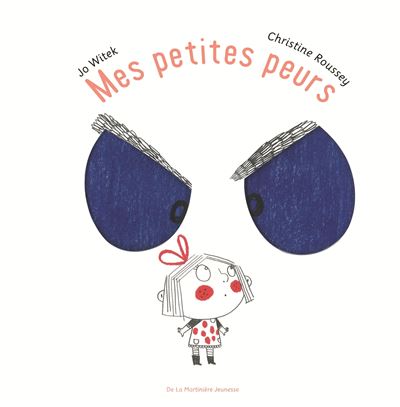
Cut-Out Pages Children Love to Explore
The layout will particularly appeal to children: thanks to cut-out designs, they can slide their fingers through the pages and play with the shapes. This tactile element turns a quiet reading moment into something active, which suits toddlers who find it hard to sit still through a whole story.
Sturdy board pages and careful binding mean the book survives repeated handling, and it is recommended from the age of two. If your child is closer to six months, our reviews of the six month old toys show which formats survive enthusiastic grabbing.
Reading as a Shared Routine
Keep the book in a basket near the bed so it becomes part of the evening routine, and let your child turn the cut-out pages themselves whenever possible.

Using the Book Beyond Bedtime
A picture book like this works best as a conversation starter rather than a cure. Read it in daylight first, when everyone is calm, and come back to the relevant page on a difficult evening instead of launching into a long explanation.
You can also pair it with other soothing routines: a predictable bath, a short cuddle, a night light your child has chosen. Parents who are juggling several needs at once may find our piece on what it means to breastfeed on demand a useful reminder that responsiveness, not rigid schedules, builds security.
Finally, keep your own reactions in check. A child who sees a parent staying calm during a thunderstorm learns more from that than from any page, and the book simply gives you the words to go with it.
My hands-on take
I first read this book with my eldest during a phase when every creak in the hallway was a monster. What worked for us was not reading it at bedtime at all: we read it after lunch, slowly, and my daughter spent most of the time pushing her fingers through the cut-out pages rather than listening.
Weeks later, during a real thunderstorm, she asked me whether we could dance like the little girl in the book. We did, badly, in the kitchen. I am not claiming the book fixed anything, but it gave us a shared reference we could reach for in the moment, and that was worth more than any explanation I could have improvised.
Frequently asked questions
What age is this book suitable for?
It is recommended from the age of two, with thick pages and a careful binding that withstand repeated handling. Younger toddlers can still enjoy the cut-out shapes with an adult nearby.
Does the book claim to cure children's fears?
No. It shows one small trick per fear and ends with a mountain that has shrunk as the child grows. The message is about learning to move past fears, not eliminating them.
How should we read it with a frightened child?
Start in daylight when everyone is calm, then return to the matching page on a difficult evening. Keep your own tone steady and let your child choose which trick to try.
Is it part of a series?
Yes, it features the same heroine as an earlier picture book by the same author, so children who already know her will recognise the character immediately.
Product Reviews
 Best Toys for Dogs With High Prey Drive |
Best Outdoor Toys for 3-4 Year Olds |
Best Outdoor Toys for 6 Year Olds |
Best Harness for Poodle |
Best LEGO Sets for Adults |
Best Travel Toys for 4 Year Olds on Airplane |
Best Toy Stores in Washington DC |
Best Potty Training Toys |
Best Toys for Tripod Dogs |
Maillot equipe de france







